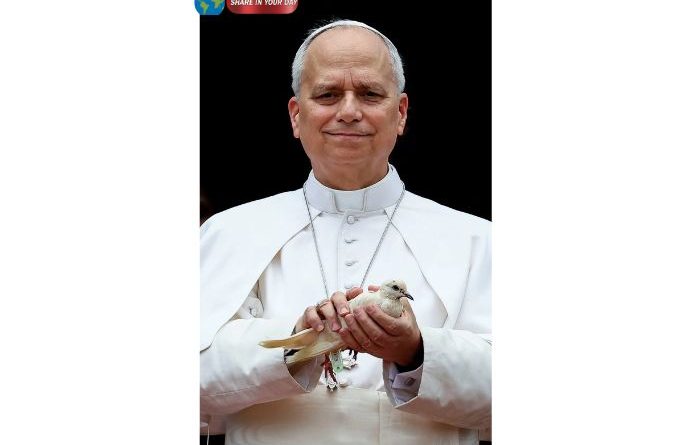
Pope Leo Angola Slavery Visit Sparks Global Attention
The Pope Leo Angola slavery visit has ignited global discussion, blending history, faith, and moral accountability into one powerful moment.
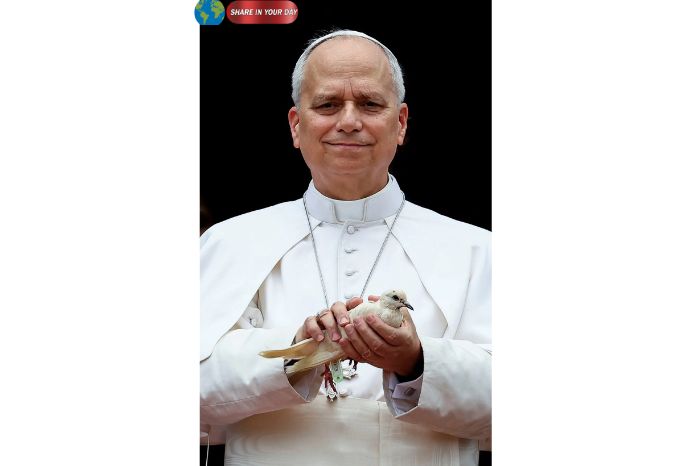
During his ongoing Africa tour, Pope Leo XIV is scheduled to visit the historic Church of Our Lady of Muxima in Angola—a site deeply connected to the transatlantic slave trade. The visit is not just symbolic; it highlights centuries-old ties between religion and colonial exploitation, while also raising questions about reconciliation and historical responsibility.
As the first American pope, Leo’s journey carries additional weight. His personal ancestry reportedly includes both enslaved individuals and slaveholders, making this visit a deeply personal and globally significant event.
A Church Built on a Painful Past
The Church of Our Lady of Muxima, constructed in the late 16th century by Portuguese colonizers, once played a central role in the slave trade.
Located along the Kwanza River, the church served as a gathering point where enslaved Africans were baptized before being forced on a long march to Luanda, where ships carried them across the Atlantic.
Historians estimate that more than 5 million enslaved people were taken from Angola alone—nearly half of all Africans transported during the transatlantic slave trade.
This stark reality makes the site one of the most powerful symbols of the intersection between Christianity and colonial-era exploitation.
Why This Visit Matters Now
The Pope Leo Angola slavery moment comes at a time when institutions worldwide are confronting historical injustices.
Although the Catholic Church has acknowledged past wrongdoing in various forms, critics argue that more direct accountability is still needed. The visit to Muxima may serve as a turning point—or at least a renewed opportunity—for reflection.
However, it remains unclear whether Pope Leo will explicitly address slavery during his visit.
That uncertainty has fueled debate among historians, theologians, and activists.
5 Shocking Truths Behind the Pope’s Visit
1. Angola Was the Heart of the Slave Trade
Angola was not just involved—it was central.
The country became the largest single source of enslaved Africans during the transatlantic slave trade. Millions were forcibly removed, reshaping demographics and histories across continents.
This makes the Pope’s visit especially significant, as it acknowledges one of the darkest chapters in global history.
2. The Church Played a Direct Role
The connection between Christianity and slavery is complex and controversial.
Portuguese colonizers were supported by 15th-century Vatican directives that permitted the enslavement of non-Christians.
At Muxima, priests baptized enslaved Africans before their forced journey—an act that remains deeply controversial today.
3. A Personal Connection for Pope Leo
Unlike many historical discussions, this issue is not abstract for Pope Leo.
Reports indicate that his ancestry includes both enslaved individuals and slave owners in the United States.
This dual heritage places him in a unique position to address the legacy of slavery—not just as a religious leader, but as someone personally connected to both sides of history.
4. A Symbolic Act Without Words?
One of the biggest questions surrounding the visit is whether Pope Leo will directly address slavery.
While previous popes have spoken openly about historical injustices, Leo has not confirmed whether he will do the same during this visit.
Instead, he is expected to pray at the site—an act that may be interpreted as symbolic acknowledgment rather than explicit condemnation.
5. Africa’s Growing Influence in the Catholic Church
The visit also reflects a broader shift within the Catholic Church.
Africa is one of the fastest-growing regions for Catholicism, and the Pope’s tour underscores the continent’s increasing importance in shaping the Church’s future.
By choosing Africa as a key destination early in his papacy, Leo is signaling a strategic and spiritual shift toward the Global South.
A Broader Mission: Justice, Faith, and Reconciliation
The Pope Leo Angola slavery visit is just one part of a larger African tour focused on justice and social issues.
Throughout his journey, Pope Leo has spoken about inequality, corruption, and global conflict, positioning himself as a more outspoken global leader.
His visit to Angola is expected to include meetings with political leaders and religious communities, addressing both historical and modern challenges.
Reactions from Africa and Beyond
Reactions to the visit have been mixed but deeply engaged.
Supporters Say:
- The visit acknowledges painful history
- It promotes healing and reconciliation
- It strengthens ties between the Vatican and Africa
Critics Argue:
- Symbolism is not enough without direct apology
- The Church must take stronger accountability
- Historical injustices require concrete action
Local leaders in Angola have also expressed hope that the Pope’s presence will draw attention to ongoing issues such as poverty, inequality, and governance.
The Legacy of Slavery and the Church Today
The historical link between the Catholic Church and slavery remains a sensitive topic.
While the Church has condemned modern forms of slavery, including human trafficking, critics argue that its historical role still requires deeper examination and acknowledgment.
The Pope Leo Angola slavery visit may help reopen this conversation on a global scale.
What Happens Next?
As Pope Leo continues his Africa tour, the world will be watching closely.
Key questions remain:
- Will he explicitly address slavery?
- Will the Vatican issue new statements or policies?
- Will this visit lead to broader institutional change?
The answers could shape not only his papacy but also the future relationship between the Catholic Church and Africa.
Conclusion: A Defining Moment for Faith and History
The Pope Leo Angola slavery visit is more than a symbolic stop on a global tour—it is a defining moment.
It forces a confrontation with history, challenges institutions to reflect, and invites a broader conversation about justice, memory, and reconciliation.
Whether through words, actions, or symbolism, this visit will leave a lasting impact—not just on Angola, but on the global stage.