Channel Crossings Deal: UK and France Agree on 3-Year Plan
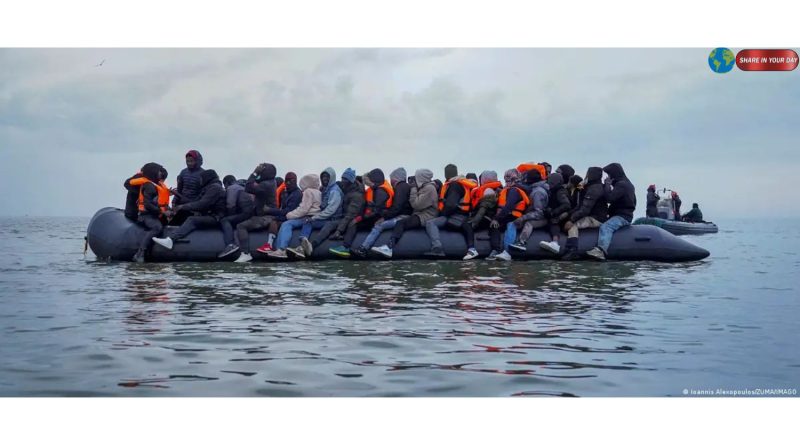
A major new Channel crossings deal between the United Kingdom and France has been finalized, marking a significant escalation in efforts to curb irregular migration across the English Channel. The agreement, which spans three years and includes hundreds of millions of pounds in funding, aims to reduce the number of migrants attempting the dangerous journey in small boats.
The deal comes amid ongoing political pressure in the UK to address rising migration concerns, while also strengthening cooperation with France on border security and enforcement.
What the Channel Crossings Deal Includes
Under the new agreement, the UK will provide up to £660 million ($892 million) to France over three years to support enhanced border enforcement measures.
The funding will be used to:
- Increase the number of French officers deployed along the northern coastline
- Expand surveillance using drones, helicopters, and advanced monitoring systems
- Strengthen intelligence operations targeting human smuggling networks
- Introduce new enforcement tactics aimed at preventing small boats from launching
The agreement also includes performance-based funding, meaning part of the money will only be released if measurable results are achieved in reducing crossings.
This marks a shift toward accountability in migration control, with both countries emphasizing results-driven cooperation.
A New Approach to Stopping Small Boats
One of the most notable aspects of the Channel crossings deal is the introduction of new operational strategies.
These include:
- A specialized police unit focused on tackling irregular migration
- Increased patrols along key departure points in northern France
- Targeting so-called “taxi boats” that collect migrants offshore
- Expanded joint intelligence units between the UK and France
The number of personnel involved is expected to rise significantly, with enforcement officers increasing from under 1,000 to nearly 1,400.
In addition, reports indicate that specialized units equipped for crowd control may be deployed to prevent large groups of migrants from gathering on beaches before attempting crossings.
Why the Deal Was Needed
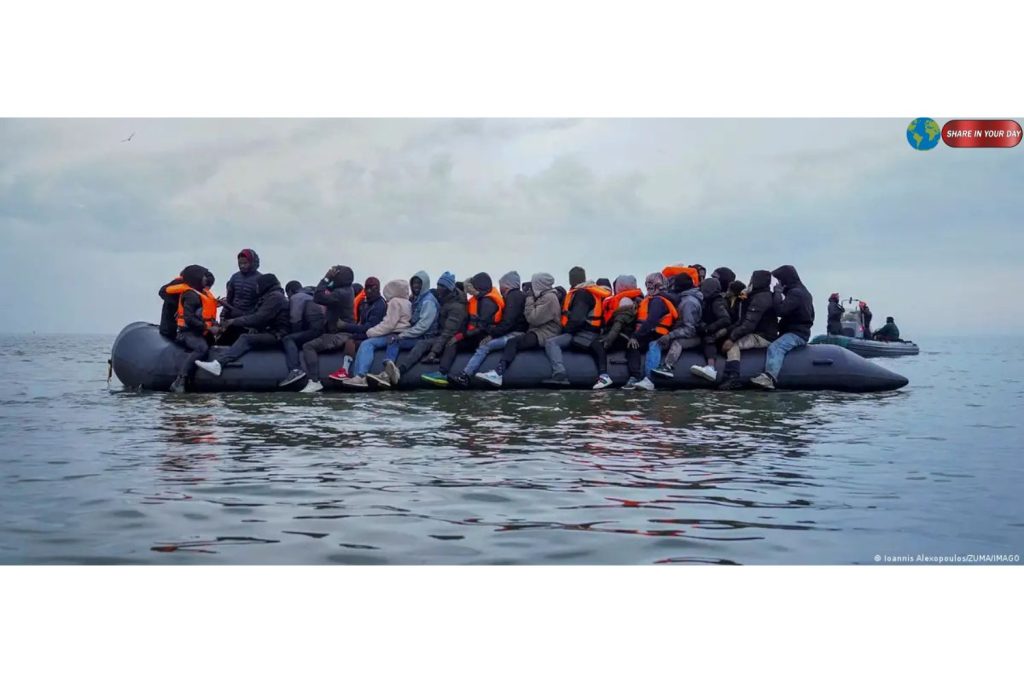
The English Channel has become one of the most prominent migration routes into the UK in recent years. Since 2018, nearly 200,000 migrants have crossed the Channel in small boats.
These crossings are often organized by smuggling networks and involve dangerous journeys in overcrowded and poorly equipped vessels.
Several factors have driven the increase:
- Limited legal pathways for asylum seekers
- Political instability and conflict in origin countries
- Demand for entry into the UK due to language and economic opportunities
- Crackdowns on alternative migration routes
Despite previous agreements, crossings have continued at high levels, prompting calls for stronger action.
Early Signs: Are Crossings Decreasing?
Initial data suggests that the number of crossings may already be declining.
According to recent figures:
- More than 6,000 migrants have crossed the Channel so far in 2026
- This represents a 36% decrease compared to the previous year
Officials have cautiously welcomed this trend, although it remains unclear whether the decline is directly linked to new enforcement measures or other factors such as weather conditions.
Political Reactions in the UK and France
The Channel crossings deal has received mixed reactions from political leaders and stakeholders.
Supporters Say:
- The deal strengthens border security
- It demonstrates effective international cooperation
- It introduces accountability through performance-based funding
UK Prime Minister Keir Starmer has described the agreement as part of a broader strategy to regain control of the country’s borders.
Critics Argue:
- Enforcement alone will not solve migration challenges
- The deal risks pushing migrants toward more dangerous routes
- It does not address root causes such as conflict and poverty
Human rights organizations have warned that focusing heavily on policing may increase risks for vulnerable individuals attempting the journey.
The Humanitarian Dimension
While the deal focuses on enforcement, the humanitarian aspect of migration remains a critical issue.
Crossing the English Channel is extremely dangerous due to:
- Strong currents and heavy shipping traffic
- Overcrowded and unstable boats
- Limited access to rescue services
Tragic incidents, including fatalities at sea, have highlighted the risks faced by migrants attempting the journey.
Critics of the Channel crossings deal argue that without expanding safe and legal routes for asylum seekers, enforcement measures may simply displace the problem rather than solve it.
A History of UK–France Migration Cooperation
The new agreement builds on a long history of collaboration between the UK and France on migration control.
Previous deals have included:
- Funding for increased patrols along French beaches
- Joint intelligence operations targeting smuggling networks
- The “one in, one out” migrant exchange program introduced in 2025
However, the effectiveness of these measures has been debated.
Some critics argue that earlier agreements failed to significantly reduce crossings, while others point to gradual improvements in coordination and enforcement.
Key Challenges Ahead
Despite the ambitious scope of the Channel crossings deal, several challenges remain:
1. Smuggling Networks Adapt Quickly
Criminal groups often change tactics in response to enforcement measures, making long-term success difficult.
2. Humanitarian Concerns Persist
Without safe migration pathways, people may continue to risk dangerous crossings.
3. Political Pressure
Migration remains a highly sensitive issue in both the UK and Europe, influencing policy decisions.
4. Measuring Success
Determining whether the deal is effective will depend on clear metrics and transparent reporting.
What Success Would Look Like
For the Channel crossings deal to be considered successful, experts suggest several key outcomes:
- A sustained reduction in small boat crossings
- Increased disruption of smuggling networks
- Improved coordination between UK and French authorities
- Enhanced safety for migrants
The performance-based funding model may play a crucial role in ensuring accountability and driving results.
Broader Implications for Europe
The agreement could also have wider implications beyond the UK and France.
Migration is a shared challenge across Europe, and the deal may serve as a model for:
- Bilateral cooperation between countries
- Funding-based enforcement strategies
- Integrated intelligence operations
At the same time, it highlights ongoing tensions between security-focused approaches and humanitarian responsibilities.
Conclusion
The new Channel crossings deal between the UK and France represents one of the most significant efforts yet to address irregular migration across the English Channel.
With substantial funding, enhanced enforcement measures, and a focus on results, the agreement signals a tougher stance on border control.
However, questions remain about its long-term effectiveness and its impact on vulnerable migrants.
As the deal is implemented over the next three years, its success—or failure—will likely shape future migration policies not only in the UK but across Europe.