Russia Says Ukraine Resumes Oil Refinery Attacks as Energy Ceasefire Unravels
Ukraine has resumed attacks on Russian oil refineries, according to Russian officials, after Ukrainian President Volodymyr Zelenskyy declared that Kyiv would no longer continue observing a temporary pause in strikes on Russia’s energy infrastructure. The latest developments threaten to deepen tensions in the Russia-Ukraine war and complicate diplomatic efforts led by United States President Donald Trump.
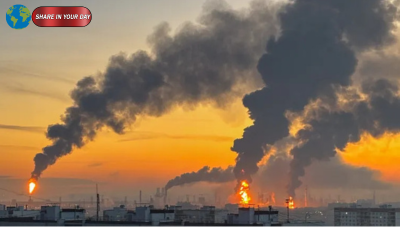
Russia’s Defence Ministry said on Thursday, October 15, that Ukraine had targeted an oil refinery in the Ryazan region, approximately 180 kilometres south of Moscow. According to Moscow, debris from intercepted drones fell onto the refinery grounds, triggering a fire at the facility.
The reported strike came shortly after Zelenskyy said Ukraine would resume attacks on Russian oil refineries following continued Russian strikes against Ukrainian energy infrastructure. His remarks highlighted growing frustration in Kyiv over what Ukrainian officials consider an imbalance in efforts to reduce attacks on energy facilities.
Russia Reports Attack on Ryazan Oil Refinery
Russia’s Defence Ministry described the reported incident as a large-scale Ukrainian attack on the Ryazan refinery. The ministry said falling drone debris caused a fire at the site, although the full extent of the damage was not immediately established in the available reporting.
The Ryazan region is located southeast of Moscow and contains strategically important energy infrastructure. Oil refineries are significant targets during the conflict because damage to processing facilities can disrupt fuel production and create additional economic pressure.
Ukraine has previously conducted long-range drone operations against Russian energy installations. Such attacks are intended to affect infrastructure that supports Russia’s fuel supplies and broader wartime economy.
However, the latest incident also underscores the difficulty of maintaining agreements to limit attacks on energy facilities while the wider conflict continues.
Russia and Ukraine have repeatedly accused each other of targeting critical infrastructure, including electricity networks and energy installations. The latest developments suggest that the proposed pause in energy-related attacks has failed to establish a lasting reduction in hostilities.
Zelenskyy Says Ukraine Will Resume Strikes
Zelenskyy indicated that Ukraine would restart attacks on Russian oil refineries after expressing dissatisfaction with the situation surrounding the proposed energy ceasefire.
In an interview with the Financial Times published on Thursday, the Ukrainian president said the restrictions on attacks against Russian refineries were over. He also criticized Washington’s approach to negotiations with Moscow and raised concerns about the alleged withdrawal of important US intelligence support.
Ukraine had suspended attacks on Russian energy facilities for several days following Trump’s announcement of an energy ceasefire over the weekend. However, Kyiv said Russia continued attacking Ukrainian energy infrastructure during that period.
Zelenskyy argued that Ukraine could not indefinitely refrain from striking Russian facilities if Moscow continued its own attacks.
The Ukrainian president also said Russian strikes had left approximately 600,000 people without electricity, according to his earlier statements. The damage to Ukraine’s power infrastructure has increased pressure on the government to protect essential services while maintaining its military operations.
The competing claims demonstrate the challenges facing any arrangement intended to limit attacks without a broader agreement to reduce hostilities.
Trump’s Energy Ceasefire Faces Growing Pressure
Trump announced an energy ceasefire on Sunday, seeking to reduce attacks on energy infrastructure amid concerns about rising fuel prices. However, the announcement was not publicly confirmed as a mutually agreed arrangement by both Russia and Ukraine.
The US administration has also pressured Ukraine to stop attacking Russian refineries, arguing that reduced disruption to energy supplies could help ease pressure on global diesel markets.
Another element of the proposal involved a reported plan to purchase 1.8 million tonnes of diesel from Russia. The prospect of conducting energy business with Moscow has drawn criticism from Zelenskyy, who argued that such arrangements could undermine efforts to hold Russia accountable for its invasion.
The disagreement reflects the difficulty of balancing energy-market concerns with military and diplomatic objectives. While Washington has sought to limit attacks that could contribute to fuel-price volatility, Kyiv has emphasized the need for reciprocal restraint.
Without a clear mechanism to ensure that both sides follow the same restrictions, the proposed ceasefire remains vulnerable to renewed attacks and competing interpretations of its terms.
US-Ukraine Relations Face Additional Strain
The renewed refinery strikes come amid increasing friction between Kyiv and Washington over military assistance, intelligence sharing and the future direction of negotiations.
Zelenskyy accused the United States of weakening Ukraine’s position on the battlefield by allegedly reducing access to crucial intelligence. He also raised concerns about reported restrictions affecting Ukraine’s use of satellite communications services provided by SpaceX.
Ukraine relies heavily on Western assistance for military operations, including intelligence support, air defence equipment and communications capabilities. Any disruption to these resources could create additional challenges as Russian attacks continue.
SpaceX owner Elon Musk said in a post on X that restrictions on the military-grade Starshield service were controlled by the US military and Trump. Musk also made separate critical comments about Zelenskyy.
Trump, meanwhile, has denied that the United States stopped sharing intelligence with Ukraine, leaving competing accounts of the dispute unresolved.
The disagreement adds another complication to diplomatic efforts to end the war. Zelenskyy has indicated that Ukraine could consider pausing attacks on Russian energy facilities again if it receives additional support, including more US-made Patriot air-defence interceptors.
European Support Becomes Increasingly Important
As tensions with Washington grow, Ukraine is also seeking stronger backing from European partners.
Zelenskyy was scheduled to meet European leaders in Brussels on Thursday to discuss additional support and tougher sanctions against Moscow. Kyiv has continued urging European governments to accelerate military assistance and strengthen economic pressure on Russia.
The European Union has pledged substantial financial support for Ukraine, although Kyiv’s projected defence spending remains significantly higher than the announced assistance.
For Ukraine, maintaining access to military equipment and international financial support remains essential as the war continues. For European governments, the renewed attacks raise questions about the effectiveness of diplomatic initiatives that seek to protect energy infrastructure without securing a wider reduction in fighting.
The latest strike on the Ryazan refinery illustrates how quickly efforts to limit attacks can break down when both sides continue to accuse each other of violating the spirit of proposed arrangements.
What Happens Next?
The resumption of attacks on Russian oil refineries could further complicate efforts to establish an energy ceasefire and reduce pressure on international fuel markets.
Russia has reported damage associated with the latest attack, while Ukraine has argued that continued Russian strikes against its energy infrastructure make an extended pause in its own operations difficult to justify.
The immediate consequences will depend on the extent of damage to the refinery, whether further attacks follow and how Moscow responds. Additional strikes could also increase pressure on the United States and European governments to reconsider their diplomatic and military approaches.
For now, the reported attack in Ryazan highlights the fragility of the proposed energy truce. With Russia and Ukraine maintaining sharply different positions and relations between Kyiv and Washington under strain, the prospects for a sustained halt to attacks on energy facilities remain uncertain.
The latest developments reinforce a central challenge in the conflict: limiting damage to critical infrastructure will require more than a unilateral announcement if both sides are to observe the same restrictions.