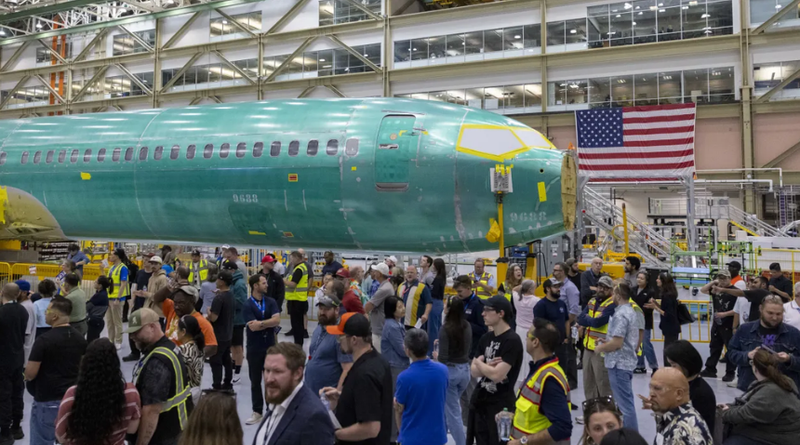
Boeing 737 MAX Production Faces New Delay
Boeing 737 MAX production is taking longer to stabilize than expected, adding another challenge for the aircraft manufacturer as it works to repair its finances and rebuild confidence in its manufacturing operations. Boeing CEO Kelly Ortberg said Wednesday that the company is still working toward a production rate of 47 737 MAX jets per month, but reaching and maintaining that level is proving more difficult than previously anticipated.
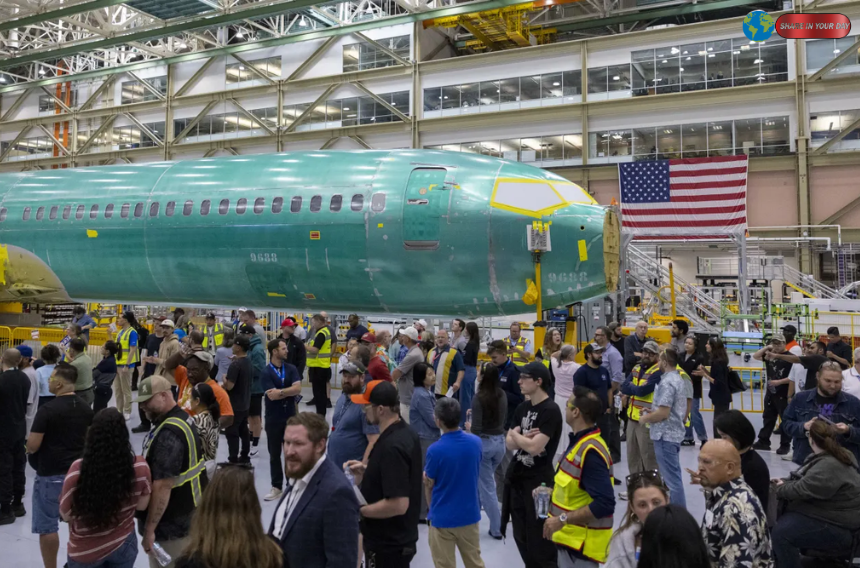
The comments came as Boeing continues to navigate supply chain constraints, aircraft delivery challenges and pressure to increase production without repeating the manufacturing problems that have affected the company in recent years.
Boeing shares fell sharply following Ortberg’s remarks, highlighting how closely investors are watching the company’s ability to increase aircraft output while maintaining quality and operational stability. Reuters reported that the stock ultimately closed about 4% lower on Wednesday.
Boeing 737 MAX Production Remains a Key Focus
The 737 MAX is Boeing’s best-selling commercial aircraft family and plays a central role in the company’s recovery strategy.
Boeing had been increasing monthly production from 42 aircraft toward a target of 47. In June, Ortberg said the company was also studying whether production could eventually rise as high as 70 aircraft per month, which would represent a record level for the program. However, he stressed at the time that such an increase was still only being studied and would depend on supply-chain capacity and resilience.
The latest comments suggest Boeing is concentrating first on making the current production increase reliable.
That distinction is important for the company. Increasing output on paper is one thing. Consistently producing aircraft at the planned rate while meeting quality requirements is considerably more complicated.
Supply Chain Challenges Continue
Boeing’s production system depends on a vast network of suppliers that provide engines, structural components, electronics, interiors and thousands of other parts.
When one important component arrives late, an aircraft can remain unfinished even when most of the rest of the airplane is ready. Those disruptions can therefore affect Boeing’s production schedule well beyond the original supplier problem.
The company has been working to improve its manufacturing operations while also managing pressure from customers waiting for new aircraft.
The challenge is especially significant because airlines around the world continue to need additional planes to expand or modernize their fleets. Boeing and Airbus are both benefiting from strong demand, but manufacturers have struggled to increase production quickly enough to meet that demand.
Boeing Faces Pressure Beyond the 737 MAX
The production issue is not limited to the 737 program.
Boeing’s 787 Dreamliner production is also facing difficulties. According to Reuters, the company is currently producing about eight 787 aircraft per month rather than the previously planned rate of 10. Engine availability and certification of premium seats have contributed to delays affecting deliveries.
The wide-body aircraft program is important because Boeing is trying to increase deliveries across its commercial airplane portfolio.
Every delayed aircraft can affect cash flow because Boeing generally receives a significant portion of the financial benefit when aircraft are delivered to customers.
That makes production stability a critical part of the company’s financial recovery.
Financial Recovery Remains in Focus
Boeing continues to carry substantial financial pressure following years of manufacturing problems, delivery disruptions and the effects of the global aviation downturn.
Reuters reported that Boeing has nearly $26 billion in net debt. The company had previously expected free cash flow of roughly $3 billion for the year, but the latest production issues are expected to reduce that figure to around $2 billion.
For investors, production rates therefore provide more than a measure of factory activity.
They are also an indication of how quickly Boeing may be able to generate cash, reduce debt and strengthen its financial position.
That explains why Ortberg’s comments about the 737 MAX production schedule had an immediate impact on Boeing shares.
737-10 Certification Also Matters
Boeing is simultaneously working toward certification of the 737-10, the largest member of the MAX family.
Ortberg said the aircraft is nearing certification, according to Reuters. The 737-10 represents roughly 30% of Boeing’s total 737 orders, making its certification an important milestone for the program.
The aircraft has experienced a lengthy development and certification process.
Once certified, Boeing will be able to expand the available MAX lineup for airlines seeking a larger single-aisle aircraft. That could provide additional flexibility for carriers as they plan future fleet requirements.
China Expectations Appear More Limited
Another issue discussed by Ortberg involved Boeing’s expectations for China.
Boeing has previously received major aircraft commitments from Chinese airlines, and the company is closely watching relations between Washington and Beijing as the two countries prepare for a political summit.
However, Ortberg reportedly played down expectations that China would announce another major aircraft order during the upcoming meeting between U.S. President Donald Trump and Chinese President Xi Jinping.
That does not eliminate the possibility of future Chinese purchases, but it suggests Boeing is taking a more cautious approach to near-term expectations.
Boeing’s Recovery Depends on Consistency
The latest production setback illustrates the difficult balance facing Boeing.
Airlines want aircraft delivered on schedule. Investors want stronger cash generation. Suppliers need predictable production plans. At the same time, Boeing must maintain strict quality standards as it increases output.
The company has already taken steps to improve its manufacturing discipline, but the latest comments show that restoring production stability remains a work in progress.
Boeing’s next challenge is therefore not simply producing more 737 MAX aircraft. It is proving that the higher production rate can be maintained consistently while meeting quality and certification requirements.
For now, the company remains focused on stabilizing production at 47 aircraft per month before considering a much larger increase.
That makes the coming months important for Boeing, its airline customers and the broader commercial aviation industry. The company’s ability to overcome supply constraints and deliver aircraft reliably will remain a major factor in its financial recovery and its efforts to regain momentum in the global aircraft market.