FDA Blocks Vaccine Studies: 7 Shocking Revelations
The decision that FDA blocks vaccine studies has sparked intense debate across the scientific and public health communities in 2026. The halted publication of research examining the safety of COVID-19 and shingles vaccines has raised concerns about transparency, political influence, and the future of evidence-based medicine in the United States.
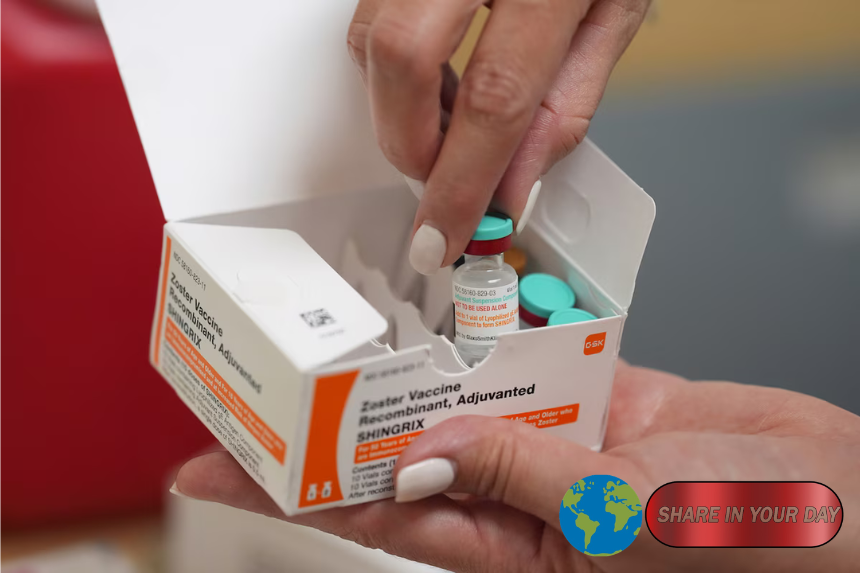
Health experts warn that this move could have far-reaching consequences—not only for public trust but also for global vaccine policy.
According to multiple reports, including findings highlighted in The Washington Post, the U.S. Food and Drug Administration stopped or delayed the publication of several studies analyzing vaccine safety.
These studies focused on:
- COVID-19 vaccines (2023–2024 updates)
- Shingles vaccines (including large-scale population data)
Officials from the Department of Health and Human Services (HHS) confirmed that the studies were withdrawn or blocked due to concerns that their conclusions were “too broad” or not fully supported by underlying data.
However, critics argue that the research had already undergone extensive review and, in some cases, was close to publication in peer-reviewed journals.
Studies Found No Major Safety Concerns
One of the most controversial aspects of the situation is what the blocked studies actually found.
Preliminary abstracts and summaries revealed that:
- No new safety concerns were identified in updated COVID-19 vaccines
- Serious side effects were extremely rare
- Benefits of vaccination continued to outweigh risks
For example, one large-scale analysis covering millions of individuals concluded that adverse effects such as severe allergic reactions occurred at extremely low rates.
Another study examining health outcomes after vaccination also reported no unexpected complications across a wide range of conditions.
These findings align with earlier global research showing strong safety profiles for both COVID-19 and shingles vaccines.
Internal Disputes Over Scientific Standards
The controversy surrounding the decision that FDA blocks vaccine studies appears to stem from disagreements within federal health agencies.
According to officials:
- The FDA argued the conclusions were not sufficiently supported
- Some studies were said to overgeneralize findings
- Publication standards required stricter interpretation
Yet several scientists and editors involved in the process have pushed back, stating that the research met accepted scientific standards and had already passed peer review stages.
This internal conflict highlights a growing divide between scientific researchers and regulatory leadership.
Political Influence Concerns Intensify
Critics have raised concerns that the decision may not be purely scientific.
The issue comes amid broader shifts in U.S. vaccine policy under Health Secretary Robert F. Kennedy Jr., who has long been a controversial figure due to his skepticism toward vaccines.
Reports indicate that:
- Vaccine research funding has been reduced
- Approval processes have become more restrictive
- Federal agencies are exercising tighter control over publications
Some experts argue that blocking studies showing positive vaccine safety outcomes could reinforce political narratives rather than reflect scientific consensus.
Others caution that such actions risk undermining public confidence in health institutions.
Impact on Public Trust and Transparency
Transparency is a cornerstone of modern science, particularly in public health.
When authorities limit access to research findings, several risks emerge:
- Reduced trust in health agencies
- Increased spread of misinformation
- Hesitancy toward vaccines
Public health experts warn that suppressing or delaying scientific data—even for methodological reasons—can create confusion and fuel skepticism.
In an era already marked by misinformation, the consequences could be significant.
Broader Pattern of Blocked Research
The FDA’s decision is not an isolated incident.
Earlier reports revealed that the Centers for Disease Control and Prevention (CDC) also blocked a study showing that COVID-19 vaccines significantly reduced hospital visits.
This pattern has led some analysts to suggest a systemic shift in how vaccine-related research is handled within federal agencies.
At the same time, officials maintain that stricter oversight is necessary to ensure scientific integrity.
Global Implications of the Controversy
The decision that FDA blocks vaccine studies extends beyond the United States.
Global health systems rely heavily on U.S. regulatory agencies for:
- Scientific guidance
- Vaccine safety standards
- Public health recommendations
If confidence in these institutions weakens, it could:
- Influence vaccine adoption worldwide
- Affect international research collaborations
- Alter global health policies
Countries that depend on U.S. data may face increased uncertainty in decision-making.
Experts Call for Greater Transparency
Many scientists and public health leaders are calling for increased transparency in how such decisions are made.
They emphasize the need for:
- Clear explanations of why studies are blocked
- Independent review processes
- Open access to publicly funded research
Some experts argue that even flawed studies should be published with appropriate disclaimers rather than withheld entirely.
This approach, they say, would allow the scientific community to evaluate findings openly.
The Future of Vaccine Policy in the U.S.
The controversy surrounding FDA blocks vaccine studies signals a turning point in U.S. health policy.
Key questions moving forward include:
- Will regulatory agencies adopt stricter publication controls?
- How will political leadership influence scientific decisions?
- Can public trust be maintained amid growing skepticism?
The answers to these questions will shape not only vaccine policy but also the broader relationship between science and government.
Conclusion
The decision that FDA blocks vaccine studies has ignited a complex debate at the intersection of science, politics, and public health.
While officials argue that stricter standards are necessary, critics warn that suppressing research—especially studies showing vaccine safety—could damage public trust and hinder scientific progress.
As the situation continues to unfold, transparency and accountability will be critical in determining the credibility of health institutions and the future of vaccine policy.