
Nigeria Minna Cell Deaths Leave 37 Suspected Miners Dead
The Nigeria Minna cell deaths have triggered anger and demands for answers after 37 people detained over suspected illegal mining died while in the custody of the Nigeria Security and Civil Defence Corps, or NSCDC.
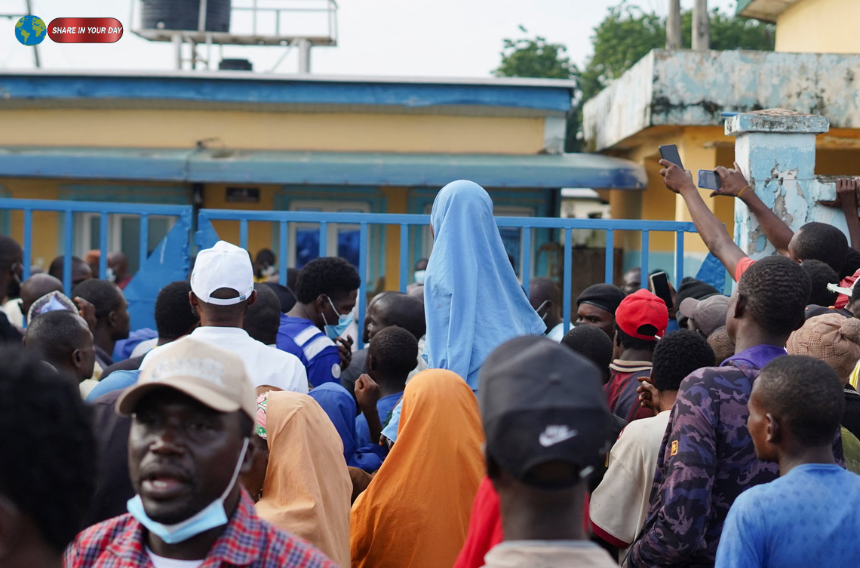
The deaths occurred in Minna, the capital of Niger State, after authorities detained scores of suspected artisanal and illegal miners following raids on mining sites earlier this week. Survivors have described packed cells, severe heat and poor ventilation, saying detainees struggled to breathe as conditions inside the facility deteriorated.
Authorities have launched multiple investigations, while protests erupted in Minna over the deaths. The incident has also prompted the suspension of a senior NSCDC commander as officials try to establish exactly what happened.
Nigeria Minna Cell Deaths Follow Mining Raids
The detainees were arrested during operations on September 15 and 16 at suspected illegal mining sites in Niger State. The campaign was part of a wider government effort to restrict unauthorized mining, which officials have linked to criminal networks and security problems in parts of the country.
Governor Mohammed Umaru Bago said 67 artisanal and suspected illegal miners had been detained before 37 died. The governor said authorities had not yet established the precise cause of death, with possible suffocation linked to overcrowding among the issues being examined.
The NSCDC initially suggested that a disease outbreak could have been responsible. It later said the actual cause had not been determined and that medical and laboratory examinations would be needed.
That uncertainty has become a central issue as relatives, survivors and local residents demand a clear explanation.
Survivors Describe a Fight for Air
Survivors have offered disturbing accounts of what happened inside the detention facility.
Dauda Shehu, one of those who survived, said detainees were packed into a confined space with inadequate ventilation. He described a situation in which people complained about the heat and the lack of air but remained inside the cell.
Other testimony reported by local media said 17 people were initially placed in a small room before additional detainees were brought inside. As the number increased, those held there reportedly complained that the room was too small.
The accounts have raised questions about whether overcrowding contributed directly to the deaths. However, investigators have yet to establish an official cause, and authorities have cautioned that the circumstances must be determined through the ongoing inquiry.
Many Victims Were Teenagers
The deaths have caused particular concern because many of those detained were reportedly young.
Niger State officials said a significant number of the victims were teenagers, with some reportedly between 14 and 18 years old. The presence of minors among those detained has intensified calls for authorities to explain how the arrests were conducted and why so many people were held in a single facility.
The case has also drawn attention to the circumstances surrounding informal mining in Niger State, where young people and adults can be drawn into dangerous work because of limited economic opportunities.
Protests Break Out Across Minna
Public anger over the deaths quickly spilled onto the streets.
Protests broke out in Minna as relatives, miners and other residents gathered to demand answers. Security forces used tear gas as demonstrators confronted authorities, and Reuters reported clashes involving security personnel and protesters.
The unrest became serious enough for an overnight curfew to be imposed in the city. Authorities said the measures were intended to restore order following confrontations and attempts to damage public property.
The protests demonstrate how quickly the deaths have become a wider public issue, particularly as residents question the treatment of detainees and the government’s continuing crackdown on illegal mining.
Senior NSCDC Officer Suspended
The federal government has responded by ordering an investigation into the deaths and suspending Suberu Siyaka Aniviye, the NSCDC commander in Niger State, pending further inquiries.
President Bola Ahmed Tinubu has directed authorities to conduct a full investigation. Police have also opened a separate inquiry into the incident.
The government has said those responsible for any wrongdoing will be held accountable. At the same time, officials have emphasized that investigators need to determine the facts before drawing final conclusions about how the deaths occurred.
That process could prove difficult because the victims were buried relatively quickly under Islamic funeral traditions, raising questions about how much forensic evidence will remain available.
Illegal Mining Remains a Major Issue
The tragedy is unfolding against the backdrop of Nigeria’s long-running struggle with illegal mining.
Niger State has significant deposits of gold and other valuable minerals, attracting artisanal miners as well as organized operators. Authorities have argued that illegal mining can fuel criminal activity and deprive the government of revenue.
Yet the response has also exposed difficult questions about enforcement, detention conditions and the treatment of people accused of breaking mining laws.
For families waiting for answers, the immediate concern is the loss of 37 lives.
The Nigeria Minna cell deaths have now become the subject of several investigations, public protests and growing national attention. As officials work to determine whether overcrowding, poor ventilation, illness, exposure to hazardous substances or another factor caused the tragedy, survivors and relatives continue to demand accountability.
Until investigators establish a definitive cause, many questions surrounding the deaths remain unanswered. What is clear is that the incident has transformed a mining enforcement operation into a major crisis involving Nigeria’s security agencies, the treatment of detainees and the government’s broader campaign against illegal mining.