White House TikTok Goes Silent After Zara Larsson Criticism
The White House TikTok account has drawn renewed attention after a video featuring Swedish pop star Zara Larsson’s song “Midnight Sun” went silent following the singer’s public criticism of the post.
The video, which appeared on the White House’s official TikTok account on Wednesday, featured footage of Immigration and Customs Enforcement, or ICE, operations and used Larsson’s song as its soundtrack. The post also carried the caption “Never ending deportations,” echoing the title and lyrics associated with her song.
By Friday morning, the video remained visible but its audio was unavailable. NBC News reported that it was not immediately clear whether TikTok had removed or restricted the sound or whether the White House itself had muted the post. Representatives for TikTok and the administration had not immediately provided an explanation. NNBC Philadelphia
The development came shortly after Larsson posted her own response on TikTok, criticizing the administration’s use of her music in connection with immigration enforcement.
Zara Larsson Responds to White House TikTok
Larsson, 28, responded to the White House post in a video shared with her millions of TikTok followers.
Rather than focusing only on the use of her song, the singer addressed the people shown in the immigration-enforcement footage and the message she believed the video communicated.
Larsson described the video as “dehumanizing” and said she was saddened by the way her music had been paired with images of arrests and deportations. NBC News reported that she also said she wished she could speak directly with whoever created the video. NNBC Philadelphia
The singer also discussed her own background.
Larsson was born and raised in Stockholm, Sweden, and said she considers herself fortunate to have grown up with access to education, health care and other opportunities.
She argued that circumstances surrounding where a person is born can significantly affect the opportunities available to them.
Her comments framed the dispute as more than a disagreement over a song. Larsson said she viewed the people shown in the footage as individuals seeking better circumstances for themselves and their families.
What Was in the White House Video?
According to NBC News and other reports, the White House video showed ICE agents carrying out enforcement operations, including footage of people being arrested and handcuffed.
The post was accompanied by Larsson’s “Midnight Sun.”
The caption reportedly read, “Never ending deportations… ✨”
That wording appeared to reference the phrase “never-ending midnight sun,” associated with Larsson’s song.
The juxtaposition of the upbeat pop track with immigration-enforcement footage became the central point of Larsson’s criticism.
The Cut similarly reported that the White House TikTok showed ICE agents and used “Midnight Sun” alongside the deportation-themed caption. TThe Cut
Larsson said the song itself was intended to convey ideas involving connection with nature, the universe and other people. She argued that pairing that message with immigration-enforcement imagery created a sharply different context.
Why the White House TikTok Lost Its Sound
The White House TikTok had gone silent by Friday morning.
Viewers reportedly encountered a message stating that the sound was unavailable.
However, the precise reason for the change had not been established in the reporting available at the time.
NBC News said it was unclear whether TikTok had taken action involving the audio or whether the administration had changed the post itself. Neither TikTok nor the White House had immediately commented on the issue. NNBC Philadelphia
That distinction is important.
The disappearance of the audio does not, by itself, establish who made the change or why.
Social-media platforms can restrict sounds for a variety of reasons, including music-rights issues, licensing arrangements and platform policies. A government account can also modify a post after publication.
Without an official explanation, the exact reason for the muted audio remains uncertain.
Music Rights and Political Videos
The incident highlights a recurring issue involving musicians and political organizations: the use of commercially released music in social-media posts.
Artists can object when their work is associated with political messages they do not support.
The underlying legal and licensing questions can vary depending on how a song was obtained and used, including whether the account has access to the relevant platform’s music library or another license.
An artist’s public objection therefore does not automatically establish a copyright violation.
In this case, the immediate issue reported by NBC News was that the White House TikTok’s audio became unavailable after Larsson publicly criticized the video. The reporting did not establish that the administration had violated copyright law. NNBC Philadelphia
Zara Larsson Has Criticized the Administration Before
The latest dispute is not the first time Larsson has objected to the use of her music or public messaging connected to the Trump administration.
Earlier in 2026, the White House used Larsson’s song “Lush Life” in another social-media video involving President Donald Trump and messaging about ICE and law enforcement.
Larsson responded publicly at the time, making clear that she disagreed with the association.
Her latest response therefore follows an established pattern of the singer using her social-media accounts to comment on immigration and other political issues.
People reported that Larsson had previously objected after “Lush Life” was used in a White House video and had posted a strongly worded response criticizing ICE. PPeople.com
The singer has also previously discussed political and social issues in interviews and social-media posts.
Other Musicians Have Faced Similar Situations
Larsson is not the only musician whose music has appeared in administration content involving immigration enforcement.
People reported that Ariana Grande objected after the White House used her song “bye” in a June 2026 video showing ICE arrests. The song was subsequently removed from that post. PPeople.com
Sabrina Carpenter also objected after her song “Juno” appeared in a 2025 video involving immigration arrests.
SZA has likewise criticized the use of her music in a pro-ICE video.
These incidents have created a recurring conversation about the relationship between musicians, copyright and political messaging on social-media platforms.
For artists, the concern is not necessarily limited to whether a song can technically be played. The surrounding imagery and message can also affect how audiences interpret the music.
Why “Midnight Sun” Became the Focus
Larsson’s “Midnight Sun” is the title track from her 2025 album of the same name.
The song has become closely associated with the Swedish singer’s current musical era and visual identity.
That made the White House video particularly noticeable to her fans.
Rather than using an instrumental track or generic background music, the administration selected a recognizable song by a prominent contemporary artist.
The song’s title also made the pairing with the phrase “Never ending deportations” especially conspicuous.
The White House caption appeared to adapt wording associated with the song, turning a phrase connected with “Midnight Sun” into a message about deportations.
Larsson subsequently emphasized that she believed the meaning of her song was inconsistent with the way it had been presented.
Larsson Says the People in the Video Are “Real People”
One of the main themes in Larsson’s response was her focus on the individuals appearing in the enforcement footage.
NBC News reported that she specifically mentioned a man wearing construction clothing and said the people shown were real individuals.
She argued that many undocumented immigrants work ordinary jobs and are seeking better lives for themselves and their families. NNBC Philadelphia
Those statements represent Larsson’s perspective on the broader immigration debate.
The administration, meanwhile, has used its social-media channels to promote its immigration-enforcement policies and deportation efforts.
The disagreement illustrates how the same footage can be interpreted very differently depending on the political message attached to it.
The Larger Debate Over ICE Social Media
The controversy comes amid continued debate over how the Trump administration presents immigration enforcement to the public.
Social media has become a major communication channel for government agencies and political administrations.
Videos can reach millions of viewers quickly, often combining short clips, captions, music and visual effects.
That format can turn complicated policy issues into highly shareable content.
Supporters of tougher immigration enforcement can view such videos as a way to demonstrate government action and emphasize deportation efforts.
Critics can interpret the same material differently, particularly when videos feature individuals being detained or removed from the country.
Larsson’s response represents one artist’s objection to that type of presentation.
What Happens to the Video Now?
As of Friday morning, the White House TikTok video remained accessible but without its original audio, according to NBC News.
The precise reason for the missing sound had not been publicly established.
That means several questions remain unanswered.
It is not clear whether the White House voluntarily removed the music, whether TikTok restricted the sound, or whether another rights or platform issue caused the change.
The administration also had not immediately provided a public explanation in the reporting cited by NBC News. NNBC Philadelphia
The distinction could become important if the White House later explains what happened.
A Growing Conflict Between Artists and Political Messaging
The Larsson controversy also reflects a broader tension between popular culture and political communication.
Musicians frequently create songs for entertainment, personal expression or artistic storytelling.
Political organizations, meanwhile, may select those songs because they fit the tone or cultural recognition they want for a social-media post.
When the artist disagrees with the political message, the resulting conflict can become highly visible.
Social media can accelerate that process.
In Larsson’s case, the singer was able to respond directly to the White House post through TikTok, reaching her own audience without relying on traditional media outlets.
Her response then became part of the news cycle itself.
What We Know and What Remains Unclear
Several facts about the incident are established by the available reporting.
The White House posted a TikTok video featuring ICE-related footage and Larsson’s “Midnight Sun.” The post used a deportation-themed caption. Larsson subsequently criticized the video publicly, describing it as dehumanizing. By Friday, the video had gone silent, with its sound listed as unavailable. NNBC Philadelphia+1
Other details remain unresolved.
The reason the audio disappeared has not been confirmed.
It is also not established by the available reporting that the White House committed a copyright violation by using the song.
Those distinctions matter because the controversy involves both political messaging and music rights.
What the White House TikTok Controversy Means
The latest dispute demonstrates how quickly government social-media content can become a larger public controversy.
A short video combining immigration-enforcement footage and a popular song attracted attention from the artist herself, who then used the same platform to challenge the message.
The subsequent disappearance of the audio added another layer to the story.
For now, the central unresolved question is why the sound became unavailable.
Larsson has made her position clear: she objected to her music being paired with footage of immigration arrests and deportations and said the video conflicted with what she believes the song represents.
The White House and TikTok had not publicly clarified the audio change in the reporting available Friday.
As governments increasingly use TikTok and other social platforms to communicate directly with the public, similar disputes over music, messaging and political context are likely to continue attracting attention.
For Larsson, the episode is another example of the tension between an artist’s work and the political messages with which that work can become associated.
For audiences, the controversy offers a reminder that a familiar song can acquire a very different meaning when it is placed alongside powerful political imagery.
Image Suggestion
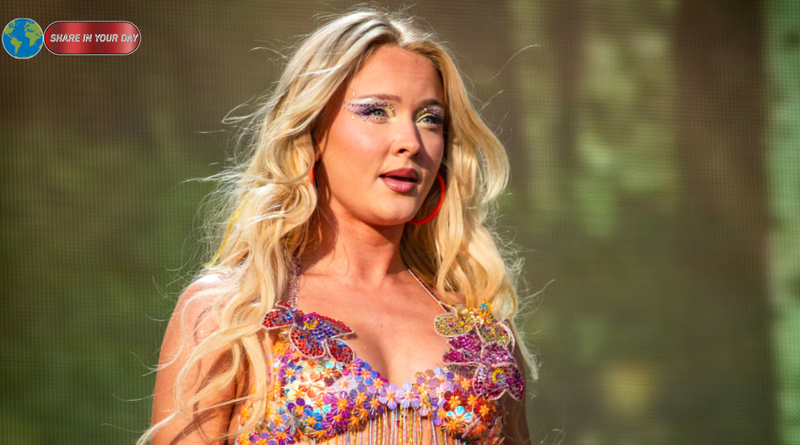
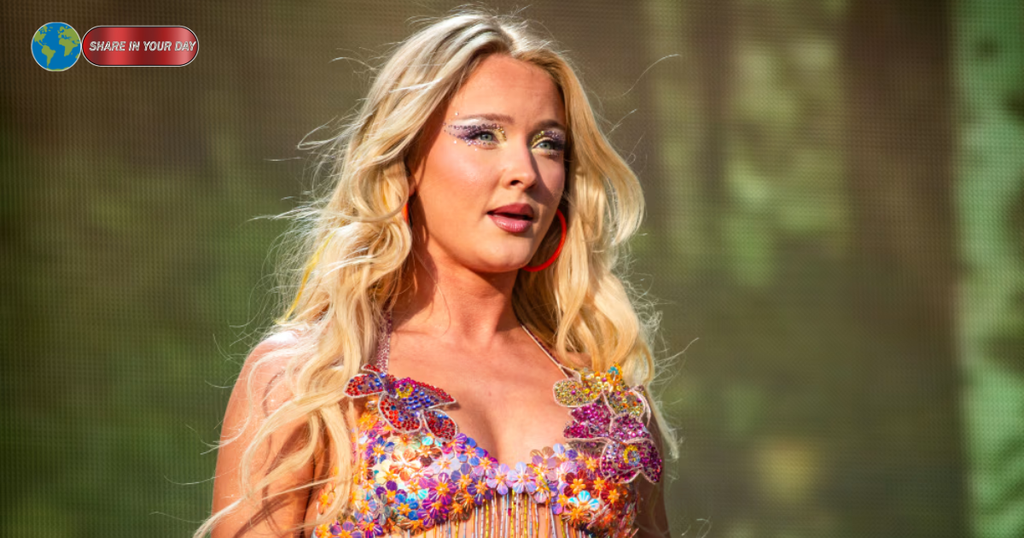
Recommended image: Zara Larsson performing at a 2026 concert, ideally a licensed editorial photograph from a reputable photo agency.
Image ALT Text
Zara Larsson reacts to White House TikTok using Midnight Sun during ICE deportation video
Suggested Internal Links
- Trump administration immigration policy explained
- What is ICE and what does it do?
- TikTok and political content in the United States
- Artists and political campaigns: music licensing explained
- Latest U.S. immigration enforcement news
Suggested External Links
- NBC News — Original report on the White House TikTok
- People — Report on Zara Larsson’s response
- The Cut — Coverage of Larsson’s criticism
Editorial note: Since the NBC page itself was restricted from direct retrieval, I used NBC’s syndicated/local NBC News version carrying the same report as the primary accessible source, then cross-checked the incident with People and The Cut. NNBC Philadelphia+2
The article deliberately avoids presenting disputed political claims as established facts and distinguishes confirmed events from questions that remained unanswered as of September 18, 2026.