Trump Media Ban Blocked as Judge Orders White House Access Restored
A federal judge has temporarily blocked the Trump media ban, ordering the White House to restore access for CNN, MS NOW and Politico after the three news organizations challenged their exclusion from the presidential complex.
U.S. District Judge Timothy Kelly issued the temporary restraining order early Thursday, Sept. 24, requiring the administration to immediately return, reinstate and restore the outlets’ access. The order will remain in effect for 14 days while the legal dispute continues.
The ruling represents a new stage in the confrontation between President Donald Trump and news organizations whose coverage his administration has criticized.
Trump announced on Sept. 18 that CNN, MS NOW and Politico would be barred from the White House. He accused the organizations of publishing what he described as false or misleading coverage. The administration later argued that some of the outlets’ reporting raised national security concerns.
The news organizations disputed that explanation. They argued that the restrictions were imposed because of the content of their journalism and amounted to unconstitutional retaliation.
Judge Kelly’s order does not resolve the entire case. Instead, it temporarily restores the previous access arrangement while the court examines the broader constitutional and procedural questions raised by the dispute.
Trump Media Ban Leads to Federal Court Challenge
The legal fight began after the White House revoked access for reporters and journalists working for the three organizations.
The outlets responded by filing a lawsuit in federal court, arguing that the administration had improperly targeted them because of their reporting. Their legal challenge centered on the First Amendment and the procedures used to remove their press credentials.
The administration maintained that the president and White House have legitimate authority to establish rules governing access to the presidential complex. Officials also cited concerns involving reporting that they said could affect national security.
The dispute therefore involves two separate questions.
The first is whether the government can establish reasonable rules for access to the White House. The second is whether those rules can be used selectively against news organizations because officials object to their reporting.
Those questions have become increasingly important as the White House has changed its approach to media access during Trump’s second term.
In his ruling, Kelly focused heavily on whether the administration followed adequate procedures before revoking the journalists’ credentials.
The judge concluded that the outlets had met the legal threshold required for temporary relief.
“This is a high bar, but Plaintiffs have met it,” Kelly wrote in his ruling.
The temporary order does not mean the news organizations have permanently prevailed. It means that, for now, their access must be restored while the court considers the case further.
Judge Timothy Kelly Questions Due Process
A central issue in the case is due process.
The White House revoked the press credentials of journalists working for CNN, MS NOW and Politico. The organizations argued that they were not given an adequate opportunity to challenge the government’s decision before losing access.
During Wednesday’s hearing, Kelly questioned whether the administration had fulfilled its legal obligations.
The judge pointed to previous cases involving press access and credentialing. Those cases, he said, established important protections for journalists whose government-issued press credentials are threatened.
The Justice Department argued that some of those earlier decisions were wrongly decided.
Kelly nevertheless said the court was required to follow applicable precedent.
His ruling also questioned the administration’s national security justification.
According to the judge, the record before the court did not adequately establish that national security concerns motivated the revocation of the outlets’ hard passes.
The ruling therefore placed significant emphasis on the difference between a government’s stated justification and the evidence supporting that justification.
That distinction could become important as the lawsuit continues.
What the White House Said About the Media Ban
The Trump administration has argued that the affected organizations engaged in reporting that justified restrictions on their access.
In court filings, administration lawyers provided examples of reporting by CNN, MS NOW and Politico that they characterized as problematic.
The examples included CNN reporting about construction details associated with an East Wing bunker, MS NOW reporting involving an alleged leak investigation, and Politico reporting concerning funding for the White House ballroom and security-related improvements.
The administration described these examples as part of a broader pattern that it said included falsehoods and reporting that could threaten national security.
The White House position is that journalists can continue reporting on the president even if they are excluded from the White House grounds.
The news organizations have rejected that reasoning, arguing that access to the presidential complex is an important part of covering the administration and that selectively removing access based on journalism creates constitutional concerns.
The court has not accepted the administration’s national security argument as sufficient at this stage.
Kelly wrote that the evidence presented did not show that the revocation of the hard passes was motivated by national security concerns.
The temporary ruling therefore leaves that dispute unresolved for further proceedings.
CNN, MS NOW and Politico Access Must Be Restored
Under Kelly’s order, the three organizations must regain the access they previously held.
The order applies to CNN, MS NOW and Politico and lasts for 14 days.
Temporary restraining orders are generally intended to preserve the status quo while a court conducts a more detailed review. They do not necessarily determine the final outcome of a lawsuit.
That means the legal dispute is far from over.
The administration could continue defending its decision, while the three organizations are expected to press their First Amendment and due-process arguments.
The case could eventually require the court to examine how the White House can regulate press access without improperly discriminating against journalists based on the content of their reporting.
That question extends beyond the three organizations involved.
Other News Organizations Enter the Dispute
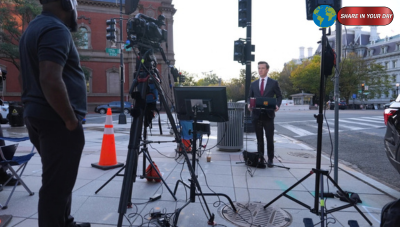
The conflict has also affected other television networks that participate in the rotating White House press pool.
Following the ban, major television networks suspended elements of their coverage in response to the restrictions. The action affected the traditional system used by television organizations to share access and coverage of presidential events.
The White House media pool is designed to allow participating organizations to collectively cover presidential appearances, including events where physical space is limited.
The dispute created complications for that system.
According to AP reporting, other television organizations continued to have journalists present at some presidential events, although some networks refrained from filming coverage.
The broader media response illustrates why the case has attracted attention beyond CNN, MS NOW and Politico.
At issue is not simply whether three companies can enter the White House.
The larger question is how government officials and news organizations interact when disagreements over reporting turn into disputes over physical access and official credentials.
First Amendment Questions Could Shape the Case
The First Amendment protects freedom of the press, but government facilities can also impose access rules for security and logistical reasons.
The legal challenge therefore depends heavily on why access was restricted and whether the government followed established procedures.
The three organizations contend that their coverage was the reason they were targeted.
The administration says the restrictions were connected to reporting it considers false or dangerous and has invoked national security concerns.
Kelly’s preliminary ruling does not settle every First Amendment question. However, it indicates that the plaintiffs demonstrated enough potential legal harm to justify temporary intervention by the court.
The judge also emphasized the importance of existing legal precedent.
That could make the next phase of the litigation significant because both sides will have to address previous decisions governing government control of press access.
What Happens Next
The 14-day temporary restraining order gives the White House and the news organizations time to continue litigating the dispute.
During that period, the court can consider additional evidence and arguments concerning the government’s authority, the press credentials, due process and the First Amendment.
The administration may also seek further judicial review.
For now, however, CNN, MS NOW and Politico are entitled to have their White House access restored under Kelly’s order.
The ruling is not a final judgment on the broader lawsuit. It instead preserves access while the constitutional dispute moves forward.
The case also follows an earlier confrontation involving the Associated Press and the Trump administration over access to White House events. That history could become relevant as courts consider the boundaries between presidential control over government facilities and constitutional protections for journalists.
For the White House, the ruling means the Sept. 18 exclusion cannot remain in place under the current temporary order.
For CNN, MS NOW and Politico, it provides temporary restoration of access while their lawsuit proceeds.
For other news organizations, the case could offer another important test of how press credentials can be granted, restricted or revoked by the federal government.
The immediate result is clear: the Trump media ban against CNN, MS NOW and Politico has been temporarily blocked, and the three organizations must have their White House access restored.
The longer-term legal questions, however, remain unresolved.