Foods for Healthy Weight Loss: 10 Smart Picks
Finding the right foods for healthy weight loss does not mean surviving on salads, eliminating carbohydrates or following an extreme diet. Nutrition experts increasingly emphasize a more practical strategy: build meals around foods that provide protein, fiber, vitamins, minerals and other nutrients while helping you stay satisfied.
That approach matters because sustainable weight management is rarely about one particular “fat-burning” food. Instead, the overall quality of your diet, portion sizes, calorie intake, activity level, sleep and other lifestyle factors all play a role.
A recent Prevention guide on the best foods for healthy weight loss highlights the importance of nutrient-dense, minimally processed foods. Registered dietitians recommend eating patterns that emphasize protein and fiber because these nutrients can contribute to fullness while helping people meet their nutritional needs.
Here are 10 smart food choices that can fit into a balanced weight-loss eating plan.
1. Beans Are Powerful Foods for Healthy Weight Loss
Beans are one of the most versatile foods for anyone trying to build more satisfying meals.
Black beans, kidney beans, chickpeas and other legumes provide a combination of protein and fiber. That combination can make meals more filling than foods that are primarily refined carbohydrates.
Beans can also be inexpensive and easy to add to everyday meals.
Try adding black beans to a vegetable bowl, chickpeas to a salad or lentils to a soup. They can also replace some of the meat in tacos, wraps and other dishes.
The goal is not to eat beans because they supposedly “burn fat.” Instead, their nutritional profile makes them useful in a balanced diet.
2. Vegetables Add Volume and Nutrients
Vegetables are another foundation of foods for healthy weight loss.
Non-starchy vegetables such as broccoli, spinach, peppers, zucchini, cauliflower, mushrooms and leafy greens generally provide substantial amounts of nutrients while contributing relatively few calories.
That makes it easier to build a large, satisfying plate without relying heavily on calorie-dense ingredients.
Vegetables also provide fiber, vitamins, minerals and various plant compounds.
One simple strategy is to make vegetables a larger part of lunch and dinner. Instead of treating vegetables as a small side dish, make them one of the main components of the meal.
For example, combine roasted vegetables with chicken and brown rice, or create a large salad with beans, vegetables and a protein source.
3. Fruit Can Fit Into a Weight-Loss Diet
Fruit is sometimes unfairly treated as something people should avoid when trying to lose weight.
Nutrition experts disagree with that approach.
Prevention’s nutrition coverage notes that fruit can be part of a healthy weight-management diet, and dietitians specifically highlight its fiber and nutrient content.
Apples, oranges, berries, pears and other whole fruits provide fiber and naturally occurring carbohydrates along with vitamins and plant compounds.
Whole fruit can also be a convenient alternative to highly processed snacks.
For example, an apple paired with a source of protein or healthy fat can become a more substantial snack than a handful of candy.
The important distinction is that whole fruit is not the same thing as fruit-flavored desserts or sugar-sweetened beverages.
4. Greek Yogurt Provides Protein
Plain Greek yogurt can be another useful addition to a weight-management meal plan.
Its protein content can help make breakfast or a snack more satisfying. Depending on the variety, Greek yogurt can also provide calcium and other nutrients.
For a simple breakfast, combine plain Greek yogurt with berries, oats and a small amount of nuts or seeds.
However, shoppers should check nutrition labels because flavored yogurt products can contain substantial amounts of added sugar.
A plain version gives you more control over sweetness. Fresh fruit can add flavor without turning the meal into a dessert.
5. Eggs Can Make Breakfast More Filling
Eggs are a convenient source of protein and can be incorporated into a wide range of meals.
A breakfast containing eggs and vegetables may be more satisfying than a breakfast built primarily around refined carbohydrates.
That does not mean eggs are a special weight-loss food. Rather, they are a practical protein source that can help create a balanced meal.
Try scrambled eggs with spinach and tomatoes, an omelet filled with vegetables or a boiled egg alongside whole-grain toast and fruit.
The rest of the meal matters, too.
Pairing protein with fiber-rich foods can create a more nutritionally complete breakfast.
6. Salmon Offers Protein and Healthy Fats
Fat is not automatically the enemy of weight loss.
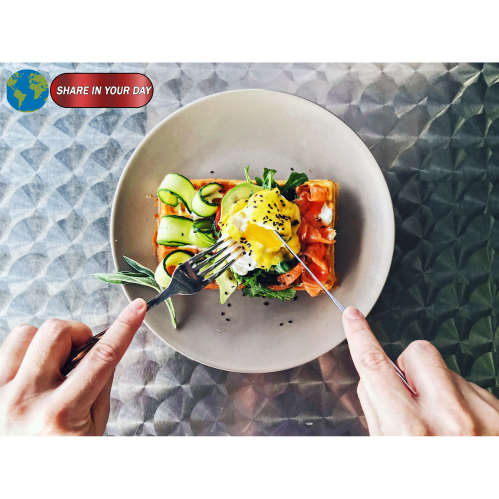
Salmon and other fatty fish contain protein as well as omega-3 fatty acids, making them valuable components of a nutrient-dense eating pattern.
A serving of salmon can form the centerpiece of a meal alongside vegetables and a whole grain such as quinoa or brown rice.
Other fish can also be included.
The broader goal is to prioritize nutrient-rich protein sources instead of focusing exclusively on calories.
If you enjoy seafood, rotating salmon, tuna, sardines and other fish into your meals can add variety while supporting overall nutritional quality.
7. Oatmeal Is a Fiber-Rich Breakfast Choice
Oatmeal is another food that can work well in a healthy weight-management routine.
Whole grains provide carbohydrates for energy along with fiber and other nutrients. Prevention’s nutrition coverage has also highlighted research linking higher whole-grain intake with improvements in several cardiovascular risk factors, including body weight, cholesterol, blood pressure and blood sugar.
For breakfast, oatmeal can be topped with berries, sliced fruit, nuts or seeds.
However, some packaged oatmeal products contain significant amounts of added sugar.
Choosing plain oats and adding your own toppings can make it easier to control the ingredients.
A bowl of oatmeal can also be paired with Greek yogurt or eggs when additional protein is desired.
8. Avocado Can Add Healthy Fat and Fiber
Avocado is calorie-dense, but that does not make it incompatible with weight loss.
In fact, its combination of monounsaturated fat and fiber can help create satisfying meals.
The key is portion awareness.
Adding a modest amount of avocado to a vegetable-and-protein bowl can provide flavor and texture. It can also be spread on whole-grain toast or incorporated into a salad.
Because avocado contains more calories per gram than many fruits and vegetables, eating very large portions may make it easier to exceed your overall calorie needs.
The lesson is simple: nutrient-dense does not mean unlimited.
9. Nuts Can Be Smart Snacks in the Right Portions
Almonds, pistachios, walnuts and other nuts provide protein, fiber and unsaturated fats.
They are also extremely convenient.
A small portion can be paired with fruit or yogurt for a snack that is more substantial than many highly processed snack foods.
But nuts demonstrate why portion size matters during weight loss. Their nutritional value is high, but so is their energy density.
Eating directly from a large bag can make portions difficult to estimate.
Instead, measure a serving and combine it with fruit or another whole food.
Pistachios can be especially practical when purchased in their shells because the act of removing the shells can slow down eating and make the portion more visible.
10. Quinoa Can Replace Refined Grains
Quinoa is a whole-grain-like seed that provides carbohydrates, fiber and plant-based protein.
It can be used in salads, grain bowls or as a side dish alongside vegetables and lean protein.
Replacing refined grains with whole-grain options is one way to improve the overall nutritional quality of a meal.
However, quinoa does not need to be treated as a miracle food.
Brown rice, oats, barley, whole-wheat products and other whole grains can also fit into a healthy diet.
The best choice is often the one you enjoy and can consistently prepare.
Why Protein Matters for Healthy Weight Loss
Protein repeatedly appears in discussions about foods for healthy weight loss because it can contribute to satiety and help support lean muscle.
Recent Prevention nutrition coverage similarly emphasizes protein’s role in fullness and muscle maintenance, while cautioning that highly processed “protein” products are not automatically healthier than whole-food protein sources.
Good options include eggs, fish, chicken, Greek yogurt, tofu, beans, lentils and other legumes.
Protein needs vary from person to person, so there is no single amount that everyone should consume.
Rather than obsessing over a specific number, focus on including a reasonable protein source in meals and snacks when appropriate.
Why Fiber Is Equally Important
Fiber is another major part of a weight-management diet.
High-fiber foods can contribute to fullness while supporting digestive health. Fruits, vegetables, beans, lentils, whole grains, nuts and seeds can all contribute fiber.
Increasing fiber gradually is generally more comfortable than suddenly making a dramatic change.
Drinking enough fluids can also be important when increasing fiber intake.
Instead of searching for one food that contains extraordinary amounts of fiber, build meals around a variety of plant foods.
That approach naturally increases dietary diversity.
The Best Foods for Healthy Weight Loss Are Not Magic Foods
Perhaps the most important takeaway is that there is no single food that automatically causes weight loss.
Prevention’s current expert guidance makes a similar point: successful weight loss is less about identifying a special “weight-loss food” and more about choosing a sustainable eating pattern that provides protein, fiber and essential nutrients while supporting an appropriate calorie deficit.
That distinction can prevent unrealistic expectations.
Eating avocado will not automatically cause fat loss. Eating beans will not cancel out an otherwise excessive calorie intake. And avoiding carbohydrates entirely is not required for healthy weight management.
Instead, individual foods should be viewed as building blocks.
A plate containing vegetables, beans, lean protein and whole grains may be more useful than a restrictive diet that eliminates entire food groups.
How to Build a Weight-Loss-Friendly Plate
A simple meal structure can make healthy eating easier.
Start with vegetables or fruit.
Then add a protein source such as chicken, fish, eggs, tofu, beans or Greek yogurt.
Next, include a fiber-rich carbohydrate such as oats, quinoa, brown rice, potatoes or whole-grain bread.
Finally, add a moderate amount of healthy fat from foods such as avocado, nuts, seeds or olive oil.
This approach provides variety without requiring complicated calculations for every meal.
Portions still matter, particularly for calorie-dense foods such as nuts, oils and avocado.
But the emphasis remains on building meals that are nutritious and satisfying rather than relying on extreme restriction.
What About Processed Foods?
Not every processed food needs to be eliminated.
Frozen vegetables, canned beans, plain yogurt and other minimally processed products can make healthy eating much easier.
The bigger concern is relying heavily on ultra-processed foods that are high in added sugar, sodium or saturated fat while providing relatively little nutritional value.
Even products marketed as “high protein” deserve a label check. Prevention’s recent reporting notes that some protein-fortified products can contain excessive sugar, sodium or saturated fat, despite their health-focused marketing.
Convenience has value, but the nutrition label still matters.
A Sustainable Approach Beats a Crash Diet
The strongest evidence and expert guidance increasingly point toward sustainable eating patterns rather than short-term restrictions.
Prevention’s 2026 diet guidance recommends approaches that emphasize nutrient-dense foods, flexibility and long-term adherence. The Mediterranean diet, for example, centers on vegetables, fruits, whole grains, healthy fats and lean proteins while limiting red meat and highly processed choices.
That philosophy can be applied without formally following a named diet.
Eat more whole foods.
Include protein.
Prioritize fiber.
Choose minimally processed ingredients when practical.
Pay attention to portions.
And make room for foods you genuinely enjoy.
The Bottom Line
The best foods for healthy weight loss are not exotic ingredients or expensive supplements.
They are everyday foods that provide meaningful nutrition while helping create meals you can enjoy and sustain.
Beans can supply protein and fiber. Vegetables can add volume and nutrients. Fruit can satisfy a sweet craving while contributing fiber. Greek yogurt and eggs provide convenient protein, while salmon offers protein and healthy fats. Whole grains such as oatmeal and quinoa can provide satisfying carbohydrates.
Most importantly, these foods work best as part of an overall eating pattern.
Healthy weight loss does not require perfection. It requires a sustainable approach that fits your lifestyle and nutritional needs.
Anyone with a medical condition, a history of disordered eating, or specific dietary requirements should speak with a qualified healthcare professional or registered dietitian before making major changes to their diet.
Suggested internal links: Link to existing articles on your website covering healthy eating, high-protein foods, high-fiber foods, Mediterranean diet plans, meal planning, or sustainable weight management.
Credible external sources: Prevention’s expert guidance and nutrition reporting were used as the primary source for this article.