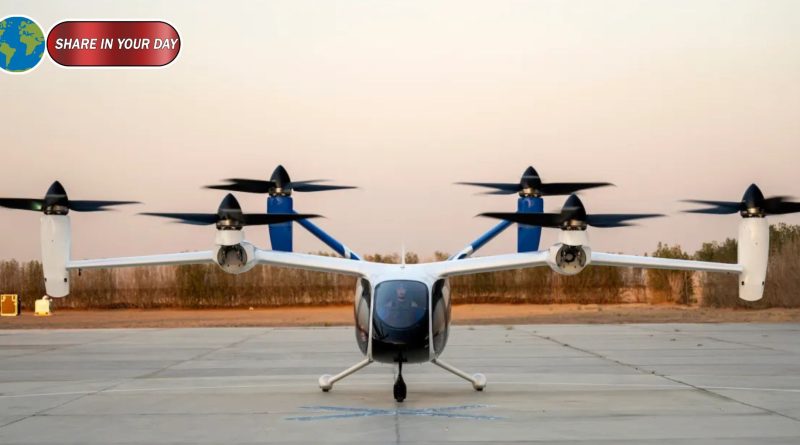
Electric Air Taxis Prepare for Launch as Testing Expands Across 26 States
Electric air taxis — once a futuristic concept — are edging closer to reality in the United States as federal regulators approve a sweeping set of pilot programs designed to test the aircraft in real-world conditions.
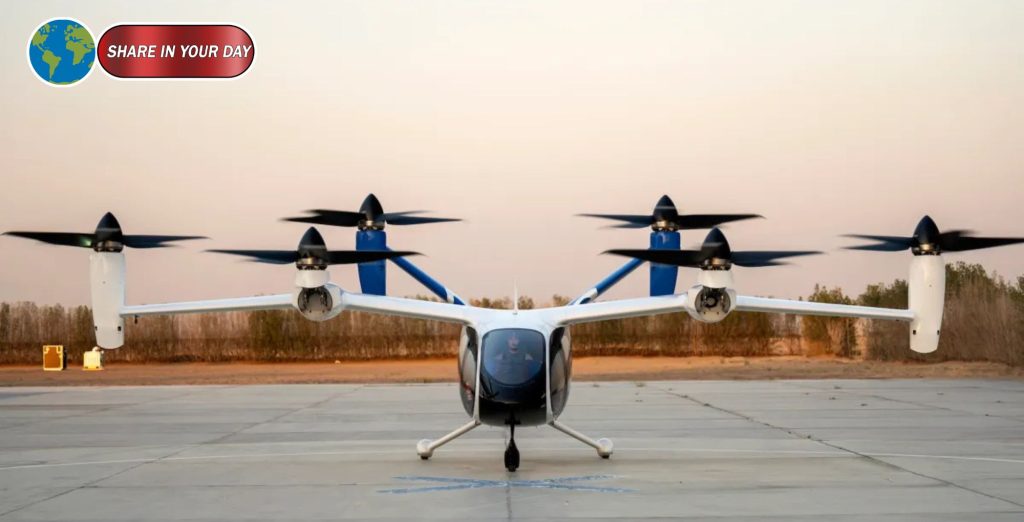
The initiative will allow companies developing electric vertical takeoff and landing aircraft, commonly known as eVTOLs, to begin testing operations across 26 states as early as this summer. The program represents one of the most ambitious attempts yet to integrate next-generation aviation technology into everyday transportation.
For the emerging air taxi industry, the decision signals a major step toward commercial service and broader adoption of urban air mobility systems.
FAA Opens the Door to Large-Scale Testing
Under the new initiative, the Federal Aviation Administration approved eight pilot projects that will allow multiple aviation startups to test electric aircraft across diverse regions of the United States.
Among the companies involved are several of the most prominent players in the rapidly growing sector, including:
- Archer Aviation
- Beta Technologies
- Joby Aviation
- Wisk Aero
These companies have spent years developing aircraft designed to take off and land vertically like helicopters while operating with the efficiency and lower noise levels of electric-powered airplanes.
The pilot programs aim to evaluate how the aircraft perform under real-world conditions such as weather variations, urban traffic patterns, and complex airspace environments.
Regulators say the testing will generate critical data needed to safely integrate electric aircraft into national airspace.
A Turning Point for Urban Air Mobility
The approval of widespread testing marks a pivotal moment for the concept of urban air mobility — a transportation model in which short-distance flights could eventually replace long car commutes in congested cities.
Electric air taxis are designed to transport a small number of passengers, typically four to six people, on short regional trips between designated landing hubs known as vertiports.
Advocates believe the technology could transform transportation in large metropolitan areas by dramatically reducing travel times and traffic congestion.
Unlike traditional helicopters, most eVTOL aircraft run entirely on electric power, producing zero direct emissions and significantly less noise.
The quieter design is seen as a key factor in allowing these aircraft to operate safely in urban environments.
Government Push to Accelerate Aviation Innovation
The U.S. government has increasingly signaled its support for the air taxi industry as part of a broader effort to accelerate next-generation transportation technologies.
The pilot program is intended to streamline collaboration between federal regulators, local authorities, and private aviation companies. By testing the aircraft in real communities, regulators can better understand how to manage infrastructure needs, safety protocols, and air traffic coordination.
Industry leaders view the program as a crucial milestone on the road to commercialization.
JoeBen Bevirt, founder and CEO of Joby Aviation, described the initiative as a defining moment for the future of aviation.
According to Bevirt, communities across the country will soon have the opportunity to witness the next generation of flight technology firsthand rather than simply reading about it.
Competition Intensifies Among Air Taxi Startups
As the regulatory environment evolves, competition among air taxi developers is heating up.
Companies such as Joby Aviation and Archer Aviation have raised billions of dollars from investors and strategic partners to develop aircraft capable of commercial passenger service.
Many of these aircraft are designed to fly at speeds approaching 200 miles per hour and travel distances of roughly 100 miles on a single battery charge, making them suitable for short regional routes between cities or airports.
The growing interest from airlines, rideshare platforms, and technology companies has intensified the race to become the first provider to launch widespread commercial air taxi operations.
Some firms are already exploring partnerships that would allow passengers to book flights through existing ride-hailing apps, seamlessly connecting ground and air transportation.
Infrastructure and Regulation Still Pose Challenges
Despite the excitement surrounding the technology, several major hurdles remain before electric air taxis can become a common part of everyday travel.
One of the biggest challenges is building the infrastructure required to support large-scale operations. Cities would need networks of vertiports, charging stations, and air traffic systems designed specifically for low-altitude electric aircraft.
Regulatory approval also remains a critical step.
While pilot programs allow testing, aircraft manufacturers must still obtain full certification from the FAA before carrying commercial passengers.
That process involves rigorous safety evaluations and can take years to complete.
The Future of Flight Moves Closer
Even with those challenges, the expanding pilot programs suggest that the era of electric air taxis may arrive sooner than many expected.
By allowing companies to test aircraft across 26 states, regulators are effectively turning large parts of the country into living laboratories for the future of transportation.
For now, most flights will remain experimental and limited in scope. But industry experts believe these early trials could lay the foundation for a new category of aviation — one that blends the convenience of ridesharing with the speed of flight.
If the technology proves successful, the sight of quiet electric aircraft transporting passengers above city traffic could become a routine part of urban life in the coming decade.