Ukraine War Europe: 5 Powerful EU Moves Revealed
The Ukraine war Europe dynamic is entering a decisive phase as the European Union steps up its role in confronting Russia and supporting Kyiv. What began as a regional conflict has now evolved into a defining geopolitical struggle for Europe’s future security, economy, and political unity.
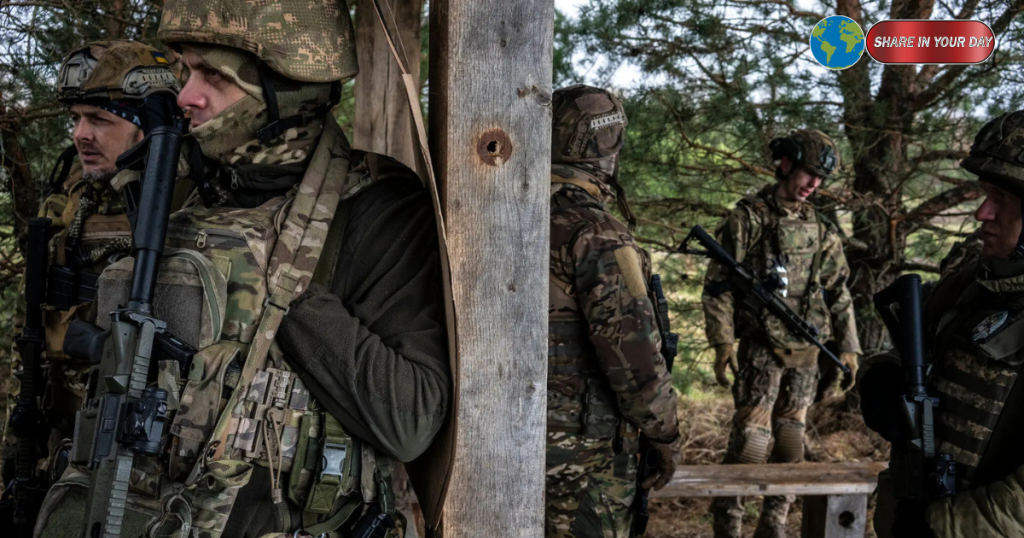
Recent developments show that Europe is no longer just a supporting player—it is increasingly shaping the direction of the war.
Europe Takes Center Stage in the Ukraine War
The ongoing conflict between Ukraine and Russia has fundamentally altered Europe’s strategic priorities. While the United States remains involved, European nations are now taking greater responsibility for both financial and military support.
This shift reflects a broader realization: the outcome of the war will directly impact Europe’s stability for decades.
European leaders have responded with coordinated action, signaling a more unified and assertive stance.
1. Massive EU Financial Support Changes the Game
One of the most significant developments in the Ukraine war Europe landscape is the European Union’s approval of a massive financial package for Ukraine.
Recent agreements include a loan worth approximately €90 billion, designed to sustain Ukraine’s economy and military operations through the coming years.
This funding is expected to cover a substantial portion of Ukraine’s financial needs, ensuring that essential services and defense capabilities remain operational.
Importantly, the structure of the loan reflects long-term strategic thinking. Repayment is expected to be linked to future Russian reparations, highlighting Europe’s commitment to holding Moscow accountable.
2. New Sanctions Increase Pressure on Russia
Alongside financial support, the European Union has introduced another round of sanctions targeting Russia.
These measures focus on key sectors, including:
- Energy exports
- Financial institutions
- Supply chains supporting military production
The goal is clear: weaken Russia’s ability to sustain its war effort while increasing economic pressure.
However, Moscow has warned that these sanctions could have global consequences, particularly for energy markets and developing economies.
This highlights the complex balance Europe must maintain between applying pressure and managing global economic stability.
3. Ukraine Pushes for EU Membership
As the war continues, Ukraine is intensifying its push to join the European Union.
Volodymyr Zelenskyy has repeatedly emphasized that Ukraine’s fight is not only for national survival but also for European values.
At recent summits, he urged EU leaders to accelerate the membership process.
While support for Ukraine remains strong, full membership is still a complex issue. Many EU countries insist that Ukraine must meet strict requirements before joining.
Nevertheless, discussions about alternative forms of integration are gaining traction, reflecting Europe’s willingness to deepen ties even amid ongoing conflict.
4. Internal EU Politics Shape the Response
The European Union’s response has not been without challenges.
Earlier disagreements—particularly involving Hungary—delayed key decisions on financial aid and sanctions. However, recent political changes have helped break the deadlock.
The resolution of these internal disputes allowed the EU to move forward with unified action.
This demonstrates both the сложности and resilience of European decision-making processes during times of crisis.
5. The War Becomes Europe’s Strategic Test
Increasingly, analysts describe the conflict as “Europe’s war.”
This does not mean Europe is directly fighting Russia, but rather that the stakes are deeply tied to European security.
The outcome will influence:
- NATO’s future role
- EU expansion
- Energy independence
- Regional stability
European nations are now investing more in defense cooperation and exploring new security frameworks.
This marks a shift toward long-term strategic autonomy.
Energy, Security, and Economic Fallout
The Ukraine war Europe situation is not limited to the battlefield.
Energy security remains a critical concern. Europe has worked to reduce dependence on Russian energy, but the transition is ongoing.
Sanctions and supply disruptions continue to affect global markets, contributing to price volatility.
At the same time, cyber threats and hybrid warfare tactics have increased, targeting European infrastructure and political systems.
The Human and Military Dimension
On the ground, the war continues to evolve.
Ukraine has adapted its military strategy, focusing on drone technology and long-range strikes. These efforts have inflicted significant damage on Russian infrastructure.
Meanwhile, prisoner exchanges between the two sides show that limited cooperation still exists, even amid intense fighting.
However, the human cost remains high, with ongoing casualties and displacement affecting millions.
Europe’s Long-Term Commitment
The European Union’s actions suggest a long-term commitment to Ukraine.
Beyond immediate aid, Europe is investing in reconstruction, defense partnerships, and economic integration.
This approach reflects a broader vision: integrating Ukraine into the European system while strengthening the continent’s overall resilience.
Challenges Ahead
Despite progress, significant challenges remain.
- Sustaining financial support over time
- Managing political differences within the EU
- Avoiding escalation with Russia
- Addressing global economic impacts
These factors will shape the next phase of the conflict.
Conclusion: A Defining Moment for Europe
The Ukraine war Europe narrative is no longer just about Ukraine and Russia.
It is about Europe’s identity, unity, and future.
With major financial commitments, stronger sanctions, and deeper political engagement, the European Union is redefining its role on the global stage.
As the conflict continues, Europe’s decisions will play a crucial role in determining its outcome.
For now, one thing is clear: Europe is no longer on the sidelines.