Apple Issues Upgrade Warning for Older iPhones as ‘Liquid Glass’ Design Stays
Apple users holding on to older iPhones are being urged to consider upgrading, as the company’s controversial “Liquid Glass” design language is set to remain a central part of the iOS experience for the foreseeable future.
The warning comes amid growing evidence that aging devices may struggle to fully support the visual overhaul and performance demands introduced with recent updates.
‘Liquid Glass’ Isn’t Going Anywhere
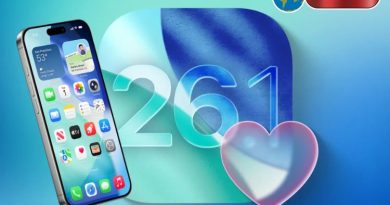
Introduced with iOS 26, Apple’s Liquid Glass design marked the most significant visual transformation of the iPhone interface in over a decade. The system replaces flat elements with translucent, glass-like layers that dynamically respond to motion and background content.
While the design has divided users—praised for its modern look but criticized for readability and performance—recent reports indicate Apple has no plans to abandon it.
For users hoping future updates might revert to a simpler interface, that now appears unlikely. Instead, Apple is doubling down on refining the design rather than replacing it.
Why Older iPhones May Struggle
The issue is not just aesthetic. Liquid Glass introduces more complex visual effects that require greater processing power and graphics capability.
Although iOS 26 supports devices as old as the iPhone 11, not all features are available across every model. Advanced visual effects and newer AI-driven capabilities are limited to newer chips, leaving older devices with reduced functionality.
In some cases, users have reported slower performance, reduced responsiveness, or difficulty reading interface elements—particularly on devices that sit at the lower end of the compatibility list.
Devices Already Left Behind
Apple has already drawn a clear line with iOS 26, dropping support for several older models, including:
- iPhone XS
- iPhone XS Max
- iPhone XR
These devices, powered by the A12 Bionic chip, no longer receive the latest iOS updates, signaling Apple’s shift toward more demanding software requirements.
For users still relying on these models, upgrading is no longer optional if they want access to the latest features and security updates.
A Subtle Push Toward Upgrading
Industry observers say Apple’s approach reflects a broader strategy: gradually increasing software demands to encourage hardware upgrades without explicitly forcing them.
Rather than cutting off support entirely, Apple continues to offer updates to a range of devices—but with limitations that become more noticeable over time.
The persistence of Liquid Glass reinforces that trajectory. As Apple continues refining the design and adding new features, the gap between older and newer devices is expected to widen.
User Control, But With Limits
In response to user feedback, Apple has introduced some customization options, allowing users to reduce or tone down certain Liquid Glass effects.
However, these adjustments are partial solutions rather than full alternatives. The underlying design remains intact, meaning users cannot fully revert to the pre-iOS 26 interface.
This leaves owners of older devices in a difficult position: adapt to the new design with compromises, or upgrade to hardware better suited to handle it.
What Users Should Do Now
For users on supported but aging devices, the decision to upgrade may increasingly come down to performance and usability rather than compatibility alone.
Those experiencing lag, visual discomfort, or missing features may benefit most from moving to newer models, particularly as Apple continues to expand its software capabilities.
For others, especially those on recently released iPhones, the message is clearer: the Liquid Glass era is only just beginning.
A Long-Term Shift in Apple’s Design Strategy
Apple’s commitment to Liquid Glass signals more than just a design preference—it marks a long-term shift in how the company envisions the iPhone experience.
With future updates expected to refine rather than replace the interface, users can expect the glass-like aesthetic to remain a defining feature of iOS for years to come.
And for millions still using older devices, that reality may make one decision unavoidable: whether it’s finally time to upgrade.