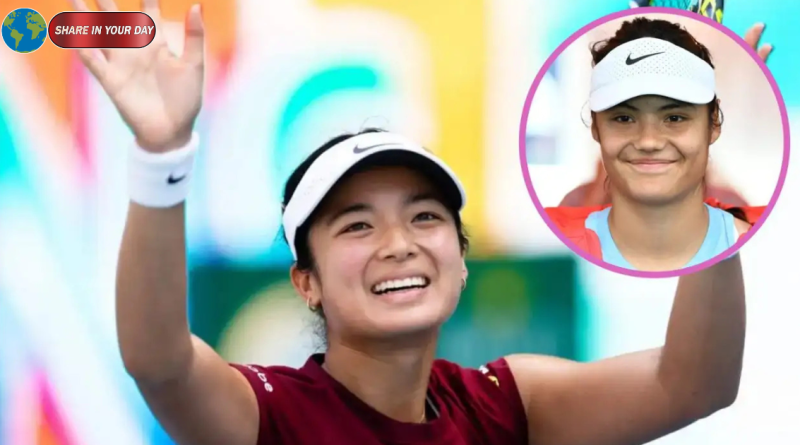
Alex Eala Emerges as Sponsor Favorite as Emma Raducanu Reshapes Endorsement Portfolio
The shifting landscape of tennis sponsorships is offering a glimpse into the sport’s next generation of marketable stars, as Emma Raducanu undergoes a major brand transition while rising talent Alex Eala gains increasing commercial attention.
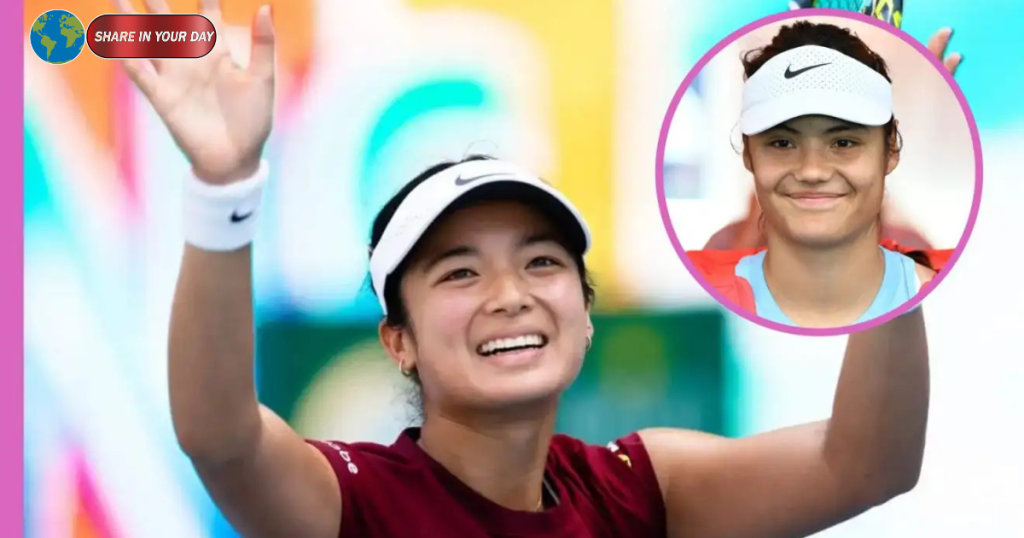
Once the face of several high-profile campaigns following her breakthrough Grand Slam victory, Raducanu is now entering a new phase of her off-court career — one that reflects both evolving brand strategies and the emergence of younger athletes ready to step into the spotlight.
A Changing of the Guard in Sponsorship Deals
Raducanu’s recent decision to switch apparel sponsors marks one of the most significant endorsement changes in women’s tennis this year. The British star has moved away from long-time partner Nike in favor of a lucrative deal with Japanese brand Uniqlo, reportedly worth several million dollars annually.
The agreement places her among an elite group of athletes backed by the company, reinforcing her enduring appeal despite fluctuating on-court results. The 23-year-old remains one of the most recognizable figures in the sport, with partnerships spanning luxury, travel, and lifestyle brands.
Yet, her departure from Nike has also created an opportunity — one that appears to be benefiting the next wave of players.
Alex Eala’s Growing Commercial Appeal
Among those gaining traction is Alex Eala, the 20-year-old Filipino prospect widely seen as one of Asia’s most promising tennis exports.
Already backed by Nike during her junior career, Eala has steadily built a diverse sponsorship portfolio that includes telecommunications, banking, and consumer brands in her home country.
Her rise has not gone unnoticed by global companies seeking fresh faces capable of engaging new markets, particularly in Southeast Asia — a region with rapidly growing interest in tennis.
Industry observers note that Eala’s profile mirrors, in some respects, the early commercial trajectory of Raducanu, whose multicultural background and global appeal helped attract major sponsors early in her career.
The Business of Marketability in Modern Tennis
The evolving sponsorship picture underscores a broader trend in professional tennis: commercial success is no longer tied solely to rankings or titles.
Raducanu’s market value surged after her 2021 US Open triumph, opening the door to partnerships with brands such as Evian, Tiffany & Co., and British Airways.
Even in periods of inconsistent form, her global recognition has remained strong.
Eala, meanwhile, is beginning to follow a similar path. With increasing visibility on the WTA Tour and a growing social media presence, she represents a new demographic for sponsors — younger, digitally engaged, and regionally influential.
Her endorsement deals, while currently more localized, are expected to expand as her on-court performances continue to improve.
Opportunity Created by Transition
Raducanu’s shift away from Nike highlights how quickly sponsorship dynamics can change at the top level of sport.
Major brands are constantly recalibrating their athlete portfolios, balancing established stars with emerging talents who offer long-term potential. In this environment, transitions are not simply exits — they are openings.
For Eala, that opening could prove significant.
While there is no official confirmation of a direct “replacement,” the timing of Raducanu’s departure and Eala’s rising visibility has fueled speculation about a broader strategic shift toward younger athletes in key growth markets.
A New Generation Steps Forward
The contrast between Raducanu and Eala reflects two stages of a modern tennis career.
Raducanu remains a global icon navigating the pressures of expectation and brand alignment, while Eala represents the next wave — ambitious, marketable, and increasingly difficult for sponsors to ignore.
As the 2026 season unfolds, both players are expected to feature prominently — not just in tournaments, but in the commercial narratives shaping the future of women’s tennis.
For brands, the message is clear: the search for the sport’s next global ambassador is already underway.