UK Shadow Fleet Crackdown: 5 Powerful Moves Revealed
The UK shadow fleet crackdown has entered a new and more aggressive phase after Britain authorized its military to board and detain Russian-linked oil tankers suspected of evading sanctions. The move signals a sharp escalation in efforts to curb Moscow’s energy revenues and disrupt networks that have helped sustain its war economy.
British Prime Minister Keir Starmer confirmed the decision, granting armed forces expanded authority to intercept vessels believed to be part of Russia’s so-called “shadow fleet.”
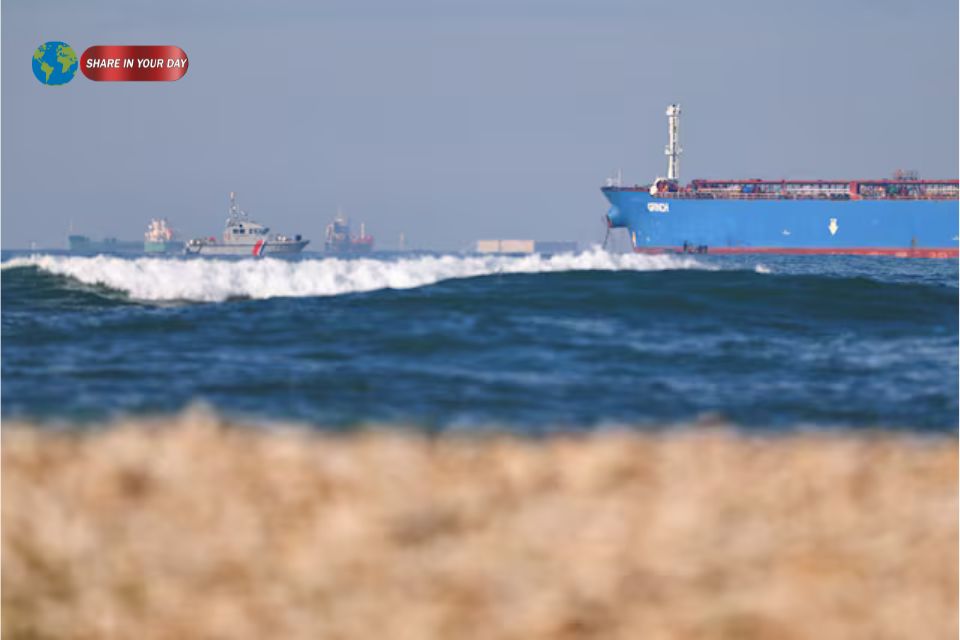
This policy shift is part of a broader Western strategy to tighten enforcement against sanction evasion, particularly in maritime routes where Russian oil continues to flow despite restrictions.
What Is the Shadow Fleet?
The UK shadow fleet crackdown specifically targets a network of tankers often referred to as the “shadow fleet.”
These vessels are typically:
- Aging ships with unclear ownership
- Registered under false or changing flags
- Operating through complex shell companies
Their primary purpose is to transport sanctioned oil while avoiding detection and enforcement.
Over the past two years, this fleet has grown significantly as Russia adapted to Western sanctions imposed after its invasion of Ukraine. By using opaque logistics and deceptive practices, these ships have enabled Moscow to continue exporting millions of barrels of oil daily.
Why the UK Is Escalating Action
The decision behind the UK shadow fleet crackdown reflects increasing frustration among Western allies.
Officials believe that existing sanctions alone have not been enough. While financial restrictions have reduced some revenue streams, the shadow fleet continues to operate in legal gray zones, making enforcement difficult.
Therefore, Britain is now taking a more direct approach—physically intercepting vessels suspected of sanction violations.
The policy aims to:
- Disrupt Russia’s oil export network
- Reduce funding for its military operations
- Strengthen enforcement credibility among allies
According to officials, the move is designed to “tighten pressure” on Moscow’s energy income, which remains a key pillar of its economy.
5 Key Impacts of the UK Shadow Fleet Crackdown
1. Major Escalation in Maritime Enforcement
The most immediate impact of the UK shadow fleet crackdown is a significant escalation in enforcement tactics.
Instead of relying solely on sanctions and monitoring, the UK is now prepared to physically intervene at sea. This includes boarding, inspecting, and potentially detaining vessels.
Such actions mark a shift toward more assertive maritime operations, bringing enforcement closer to military territory.
2. Increased Pressure on Russia’s Oil Revenues
Russia’s economy remains heavily dependent on energy exports. Therefore, the UK shadow fleet crackdown directly targets a critical financial lifeline.
By disrupting the shadow fleet, Britain and its allies aim to:
- Limit Russia’s ability to sell oil
- Increase logistical costs for exporters
- Reduce overall revenue streams
Even small disruptions in shipping networks can have significant financial consequences, particularly when scaled across hundreds of vessels.
3. Rising Risk of Maritime Tensions
However, the UK shadow fleet crackdown also introduces new risks.
Boarding vessels linked to Russia could lead to diplomatic disputes or even confrontations at sea. Moscow has previously criticized such actions, sometimes describing them as unlawful or provocative.
With increased military involvement, the chances of incidents in contested waters may rise.
4. Strengthened Coordination Among Allies
The UK is not acting alone. The UK shadow fleet crackdown aligns with broader efforts by European and NATO allies.
Recent operations have already seen joint actions, including cooperation with France and other partners to track and intercept suspect vessels.
This coordinated approach increases effectiveness by:
- Sharing intelligence
- Expanding enforcement coverage
- Creating unified pressure on Russia
As a result, the crackdown represents a collective Western strategy rather than a unilateral move.
5. Global Energy Market Implications
The UK shadow fleet crackdown could also have ripple effects on global energy markets.
If Russian oil exports are disrupted, several outcomes are possible:
- Supply constraints in certain regions
- Increased shipping costs
- Volatility in global oil prices
While markets have adapted to sanctions over time, further restrictions could still create short-term instability.
Legal and Strategic Challenges
Despite its objectives, the UK shadow fleet crackdown faces complex legal and operational challenges.
Maritime law limits the circumstances under which ships can be boarded, especially in international waters. Many shadow fleet vessels exploit these legal gray areas by operating outside clear jurisdiction.
Additionally, identifying which ships are genuinely linked to sanction evasion is not always straightforward.
Authorities must balance enforcement with international legal obligations, ensuring that actions remain within accepted frameworks.
Environmental and Safety Concerns
Another dimension of the UK shadow fleet crackdown involves environmental risks.
Many shadow fleet tankers are older and poorly maintained. This raises concerns about:
- Oil spills
- Mechanical failures
- Maritime accidents
Regulators argue that stricter enforcement not only targets sanction evasion but also improves safety standards in global shipping lanes.
What Happens Next?
Looking ahead, the UK shadow fleet crackdown is likely to evolve further.
Possible developments include:
- Expanded naval patrols in key shipping routes
- Additional sanctions targeting logistics networks
- Increased cooperation with international partners
Meanwhile, Russia may adapt by developing new methods to bypass restrictions, continuing the cycle of enforcement and evasion.
Internal and External Links
- Internal: More global politics coverage at yourwebsite.com/world-news
- External: Reuters full report – https://www.reuters.com/world/uk/uk-authorises-military-board-russian-shadow-fleet-tankers-2026-03-25/
Conclusion
The UK shadow fleet crackdown marks a decisive shift in how Western nations enforce sanctions against Russia.
By authorizing military intervention at sea, Britain is signaling a willingness to take more direct action against networks that sustain Moscow’s war economy.
While the move could significantly disrupt Russian oil exports, it also raises new risks—from geopolitical tensions to legal complexities.
Ultimately, this crackdown reflects the evolving nature of modern economic warfare, where financial sanctions and military capabilities increasingly intersect.