Iran’s IRGC and RAF Fairford Plot: 5 Key Facts
Britain’s Prime Minister Andy Burnham has said Iran’s Islamic Revolutionary Guard Corps (IRGC) was almost certainly behind a suspected plot targeting RAF Fairford, a military airbase in southwest England used by the United States. The assessment marks a significant escalation in Britain’s public response to the September security incident and raises fresh concerns about potential foreign-state activity on British soil.
Speaking in Parliament on October 12, 2026, Burnham said the government believed the incident was highly likely to have been coordinated in Iran and almost certainly directed by the IRGC. British authorities have indicated that further sanctions against Tehran and the organization could follow.
Iran has denied involvement and called on the British government to provide evidence supporting its allegations.
What Happened at RAF Fairford?
The incident took place in the early hours of September 27, when police responded to suspicious activity involving several white vans near RAF Fairford in Gloucestershire.
Five men were arrested after the vehicles were discovered near the military installation. Police reportedly found containers of petrol but no viable explosives in the vans. The investigation subsequently expanded, bringing the total number of arrests to seven.
All seven men were later released on police bail while inquiries continued. Their release did not resolve questions about the purpose of the incident or whether it involved a wider operation.
Counter Terrorism Policing has been investigating possible foreign-state involvement. However, key details surrounding the suspected plot remain unclear, and authorities have not publicly established every aspect of the alleged plan.
Why RAF Fairford Is Strategically Important
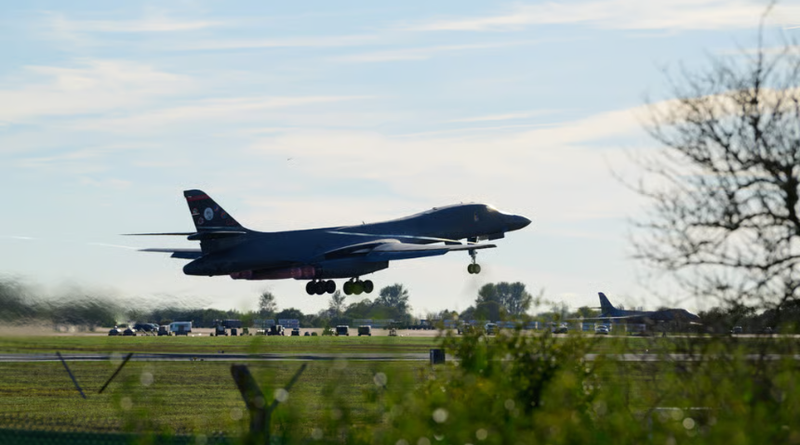
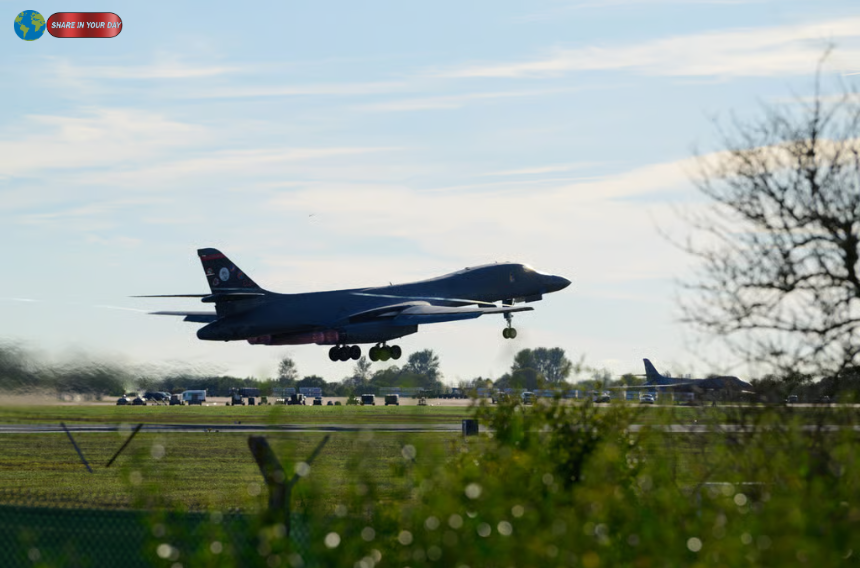
RAF Fairford is an important military facility in Gloucestershire, England. It has been used by the US Air Force to support long-range bomber operations, including missions connected to the conflict involving Iran.
The base became particularly sensitive after US forces stationed B-1 strategic bombers there. Reports indicated that concerns about a possible Iranian drone attack contributed to the subsequent withdrawal of 12 bombers from the facility.
The movement raised questions about the security of Western military installations outside the Middle East. It also demonstrated how suspected threats can influence military decisions even when an attack has not been carried out.
The available information does not establish that a drone attack was launched or that the arrested men possessed the equipment necessary to conduct one.
Britain’s Assessment of Iran’s IRGC
Burnham’s statement represented one of the strongest public assessments by the British government regarding the suspected incident.
He told Parliament that the government believed the operation was highly likely to have been coordinated in Iran and almost certainly directed by the Islamic Revolutionary Guard Corps.
The IRGC is a powerful branch of Iran’s armed forces with responsibilities that extend beyond conventional military operations. Western governments have repeatedly accused Iranian-linked networks of conducting covert activities overseas, allegations Tehran has generally rejected.
British officials have said the government intends to use sanctions and other measures to restrict the ability of Iran and the IRGC to conduct hostile activities.
Foreign Secretary Ed Miliband also summoned Iran’s ambassador to the United Kingdom following the allegations. The diplomatic response reflects growing concern within London about the potential use of criminal networks or intermediaries in operations linked to foreign governments.
Nevertheless, the attribution remains a government assessment. The full evidence behind it has not been made public, and the criminal investigation is continuing.
Iran Rejects the Allegations
Iran has denied any involvement in the RAF Fairford incident. Its ambassador to Britain, Seyed Ali Mousavi, said Tehran had no connection to the matter and called for the British government to present evidence supporting its claims.
The dispute adds to existing tensions between London and Tehran, particularly over allegations of espionage, intimidation and threats involving individuals in the United Kingdom.
British officials have previously accused Iran of using criminal intermediaries to carry out operations against people and organizations viewed as hostile to the Iranian government. Tehran has repeatedly denied responsibility for such allegations.
The competing statements underline the diplomatic sensitivity of attributing a suspected security operation to a foreign state. Investigators must establish the facts, while governments weigh the risks of further escalation.
What Happens Next?
The British investigation is expected to remain central to determining what happened near RAF Fairford and whether the incident was connected to a broader operation.
Authorities will need to examine the evidence collected from the vehicles, establish the roles of those arrested and determine whether any individuals acted under direction from outside the country.
Further sanctions could place additional pressure on Iran and the IRGC. However, their practical impact will depend on the measures introduced, the individuals or entities targeted and the response from Tehran.
The incident also raises questions about the protection of military facilities and the challenges security agencies face when assessing potential threats involving drones, covert networks or criminal intermediaries.
For now, several important details remain unresolved. The reported presence of petrol containers, the absence of viable explosives and the release of the suspects on bail do not, by themselves, establish the full nature of the alleged plot.
The case highlights the importance of distinguishing official assessments from proven facts as the investigation develops.
A Growing Security Challenge for Britain
The RAF Fairford incident comes amid broader concerns about foreign-state threats and the security of military and civilian targets across Europe.
British authorities have warned about suspected Iranian-linked activities in the country, while international partners have expressed concern about alleged covert operations, sabotage and intimidation.
The latest allegations could deepen tensions between Britain and Iran, particularly if investigators uncover evidence linking the incident to officials or networks operating from Iranian territory.
At the same time, the investigation must establish what occurred rather than rely solely on political statements or preliminary assessments.
For Britain, the immediate priorities are determining the facts, protecting sensitive military infrastructure and deciding what response is justified by the available evidence.
As the case progresses, further official statements and investigative findings should clarify whether the RAF Fairford incident was part of a state-directed operation or a different kind of security threat.