Forbidden Fruits Movie: 7 Reasons It’s a Cult Hit
The Forbidden Fruits movie is quickly emerging as one of the most talked-about indie releases of 2026, with critics and audiences already predicting its rise to cult-classic status. Blending horror, satire, and sharp social commentary, the film has sparked intense discussion following its debut.
Directed by Meredith Alloway, the film stands out not just for its bold storytelling but also for its unapologetic tone and aesthetic ambition. While it may not appeal to mainstream audiences immediately, history suggests that films like this often find lasting influence over time.
A Bold Storyline That Breaks Genre Expectations
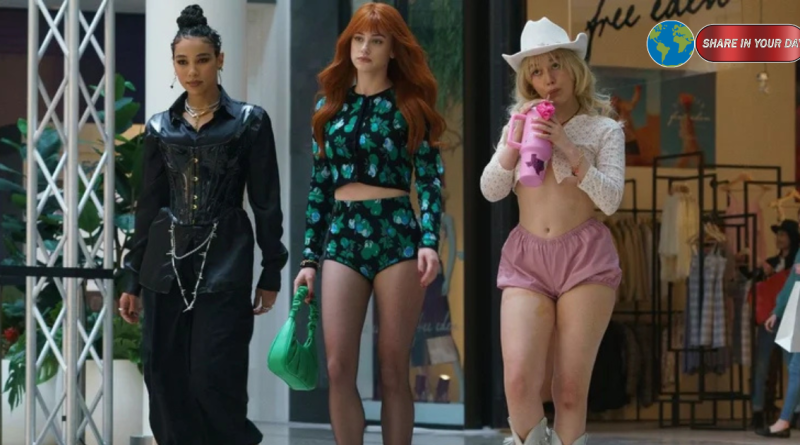
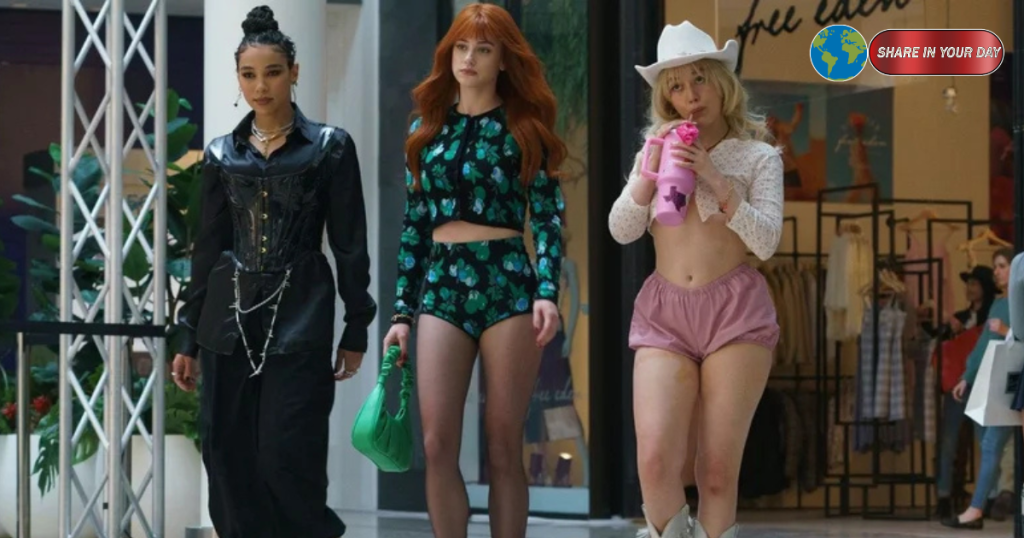
At its core, the Forbidden Fruits movie follows a group of retail workers at a trendy mall store called Free Eden, where a secret witch-like cult operates behind the scenes.
The story centers on Apple, Cherry, and Fig—three charismatic employees who enforce strict social rules—until a newcomer, Pumpkin, disrupts their carefully constructed hierarchy.
This premise alone sets the film apart. It combines elements of teen drama, psychological thriller, and horror, creating a hybrid narrative that resists easy categorization.
A Sharp Satire on Modern Feminism and Consumer Culture
One of the most compelling aspects of the Forbidden Fruits movie is its critique of modern culture. The film explores themes such as performative feminism and hyper-capitalism, presenting them through a darkly comedic lens.
Rather than offering a straightforward horror experience, the film challenges viewers to reflect on societal structures—especially the way women are often pitted against each other in competitive environments.
This layered storytelling gives the movie depth, making it more than just entertainment.
Strong Influences From Cult Classics
The film draws clear inspiration from iconic cult favorites like Mean Girls, Heathers, and Jennifer’s Body.
These influences are not accidental. Like those films, the Forbidden Fruits movie uses exaggerated characters and stylized settings to critique social hierarchies.
However, it updates these ideas for a modern audience, placing the story in a retail environment instead of a high school—proving that toxic social dynamics don’t disappear with age.
A Unique Visual and Aesthetic Style
Visually, the film leans heavily into what critics describe as “mallcore glam.” Bright colors, fashionable outfits, and stylized cinematography create a striking contrast with the darker themes beneath the surface.
Every scene feels carefully curated, enhancing both the satire and the horror elements. This distinctive style plays a major role in why the film is likely to gain a cult following—audiences are drawn to movies that offer a strong visual identity.
Standout Performances From a Rising Cast
The Forbidden Fruits movie features a strong ensemble cast, including Lili Reinhart, Lola Tung, Victoria Pedretti, and Alexandra Shipp.
Among them, Victoria Pedretti’s performance has been widely praised for its humor and unpredictability, while Lili Reinhart delivers a complex portrayal of a charismatic yet controlling leader.
These performances elevate the film, making its characters memorable—another key ingredient for cult success.
A Slow Burn That Pays Off With Horror
For much of its runtime, the Forbidden Fruits movie plays like a satirical drama. However, it takes a dramatic turn in its final act, embracing full horror with unexpected intensity.
This shift may feel jarring to some viewers, but it also makes the film stand out. Cult classics often thrive on these bold, unconventional choices.
The payoff—described by critics as both shocking and satisfying—ensures the film leaves a lasting impression.
Why It May Not Be a Mainstream Hit
Despite its strengths, the Forbidden Fruits movie is unlikely to dominate the box office. Its niche tone, experimental storytelling, and uneven pacing may limit its appeal to general audiences.
However, this is often the case with cult classics. Films that challenge conventions frequently struggle initially but gain recognition over time.
The Role of Streaming in Its Future Success
The film is distributed by Shudder, a platform known for promoting unique horror content.
Streaming could play a crucial role in the film’s long-term success. Movies that don’t perform strongly in theaters often find new life online, where niche audiences can discover and champion them.
A Deeper Message About Identity and Belonging
Beyond its surface-level plot, the Forbidden Fruits movie explores deeper themes of identity, belonging, and power dynamics.
It highlights how individuals can lose themselves in the pursuit of acceptance, especially within tightly controlled social groups.
This emotional depth resonates with audiences, making the film more impactful than a typical horror-comedy.
7 Reasons Forbidden Fruits Could Become a Cult Classic
Here’s a quick breakdown of why the Forbidden Fruits movie is poised for cult status:
1. Unique Genre Blend
Combines horror, satire, and teen drama in a fresh way.
2. Bold Social Commentary
Critiques modern feminism and consumer culture.
3. Strong Visual Identity
Stylized “mallcore” aesthetic sets it apart.
4. Memorable Characters
Distinct personalities that stick with viewers.
5. Unexpected Horror Elements
A dramatic tonal shift that surprises audiences.
6. Influences From Proven Classics
Builds on the legacy of past cult favorites.
7. Streaming Potential
Accessible to niche audiences worldwide.
Final Verdict: A Future Cult Favorite in the Making
The Forbidden Fruits movie may not be perfect, but perfection isn’t what defines a cult classic. What matters is originality, boldness, and the ability to resonate with a specific audience—and this film has all three.
As more viewers discover it, especially through streaming platforms, its reputation is likely to grow. Just like many cult hits before it, the film may be ahead of its time.
For now, one thing is clear: Forbidden Fruits is a movie people will keep talking about long after its release.