Final Four 2026 Revealed: Trump Weighs Iran Ground Troops
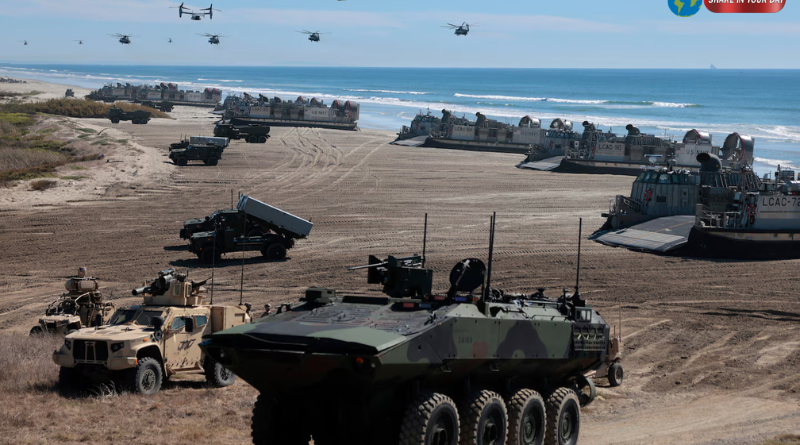
The escalating conflict between the United States and Iran has entered a critical and uncertain phase, as Trump Iran ground troops discussions intensify within the Pentagon. According to recent reports, U.S. military planners are preparing for the possibility of deploying Marines and special operations forces into Iranian territory—an option that could dramatically reshape the trajectory of the war.
While no final decision has been made, the mere consideration of ground operations signals a significant shift from airstrikes toward a more direct and risky form of engagement.
Pentagon Prepares for Ground Operations
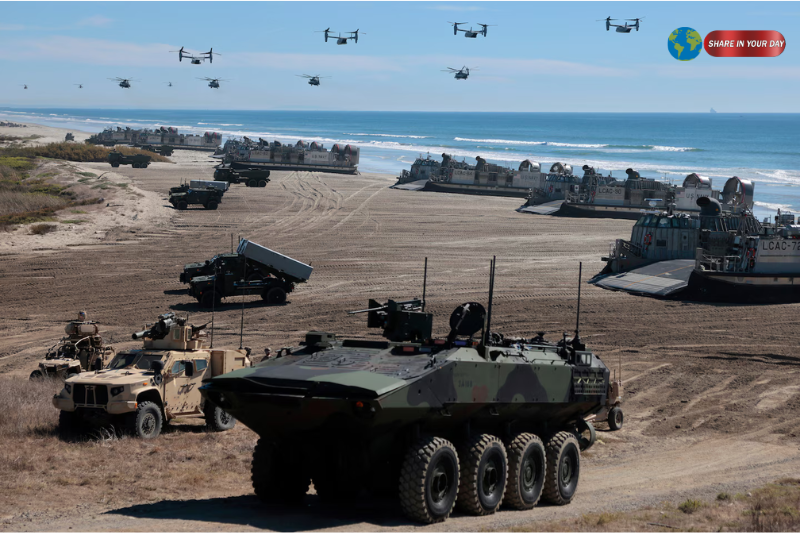
U.S. defense officials have begun drafting plans for weeks-long ground operations in Iran, focusing primarily on targeted missions rather than a full-scale invasion.
These plans include:
- Special operations raids
- Limited infantry deployments
- Strategic seizures of key locations
The goal, according to officials, is to maintain flexibility and give the president multiple military options without committing to a prolonged war.
Importantly, these operations are not designed to mirror past large-scale invasions such as Iraq in 2003. Instead, they are expected to be highly focused, short-term missions targeting critical infrastructure or strategic assets.
Marines and Troops Deployed to the Region
As part of this preparation, thousands of U.S. troops—including Marines—have already been deployed to the Middle East.
Recent movements include:
- Arrival of approximately 3,500 Marines and sailors
- Additional troop deployments under consideration
- Potential involvement of airborne units
These forces are positioned to respond quickly if the situation escalates.
Military analysts say this buildup serves two purposes: preparing for possible operations and signaling strength to deter Iranian retaliation.
What Ground Operations Could Look Like
If approved, Trump Iran ground troops deployment would likely involve limited, high-risk missions rather than occupation.
Potential objectives include:
- Securing nuclear-related sites
- Protecting shipping lanes in the Strait of Hormuz
- Targeting Iranian military infrastructure
- Seizing strategic oil facilities such as Kharg Island
These missions would rely heavily on elite units and rapid execution, minimizing the duration of U.S. presence on Iranian soil.
However, experts warn that even limited operations could quickly escalate into broader conflict.
Rising Risks and Military Concerns
Deploying ground troops in Iran carries significant risks, both militarily and politically.
1. High Casualty Potential
Iran possesses advanced missile systems, drones, and regional proxy forces capable of targeting U.S. troops. Previous attacks have already resulted in casualties and injuries among American personnel.
2. Escalation Into Wider War
Iran has warned that any ground invasion would trigger severe retaliation, potentially drawing in regional allies and escalating the conflict across the Middle East.
3. Difficult Terrain and Resistance
Military experts emphasize that Iran’s geography and military structure make it extremely difficult to control territory, even temporarily.
Political Divide in Washington
The debate over Trump Iran ground troops is not limited to military circles—it has sparked intense political discussion in Washington.
- Some Republican lawmakers support limited operations
- Others demand clear objectives before deployment
- Many Democrats oppose troop deployment without congressional approval
Public opinion is also divided, with polls indicating that a majority of Americans are against sending ground troops into Iran.
This political tension adds another layer of complexity to any potential decision.
Trump’s Strategy: Pressure Without Prolonged War?
President Donald Trump has sent mixed signals regarding the future of the conflict.
On one hand, he has:
- Emphasized a desire to avoid a long war
- Suggested operations could be short-term
- Encouraged diplomatic solutions
On the other hand, the administration continues to:
- Expand military presence in the region
- Prepare for escalation scenarios
- Consider high-risk operations such as securing nuclear materials
This dual approach reflects a strategy of applying maximum pressure while keeping options open.
Global Impact of the Conflict
The potential deployment of Trump Iran ground troops could have far-reaching global consequences.
Energy Markets
The Strait of Hormuz is a critical oil shipping route. Any disruption could send global energy prices soaring.
Regional Stability
Neighboring countries may be drawn into the conflict, increasing instability across the Middle East.
International Relations
Allies and adversaries alike are closely watching U.S. actions, which could reshape global alliances.
Why This Moment Is Critical
The current situation represents a turning point in the conflict.
So far, the war has largely been defined by:
- Airstrikes
- Missile exchanges
- Proxy conflicts
Introducing ground troops would mark a new and more dangerous phase.
Even limited operations could:
- Escalate tensions rapidly
- Increase casualties
- Complicate diplomatic efforts
What Happens Next?
At this stage, no final decision has been made regarding Trump Iran ground troops deployment.
However, several factors will likely influence the outcome:
- Success or failure of ongoing negotiations
- Iranian military responses
- Domestic political pressure in the U.S.
- Developments on the battlefield
The Pentagon’s preparations ensure that if a decision is made, the U.S. will be ready to act quickly.
Final Thoughts
The possibility of deploying Trump Iran ground troops highlights the fragile and volatile nature of the current conflict.
While the administration insists that no final decision has been taken, the military buildup and planning suggest that escalation remains a real possibility.
For now, the world watches closely as diplomacy, military strategy, and political pressure collide in one of the most consequential geopolitical crises of 2026.
The key question remains:
Will the U.S. cross the line from air war to boots on the ground?