rump Pope Iran Claim: 7 Shocking Facts Revealed
The Trump Pope Iran claim has sparked intense global debate, raising concerns about misinformation, political rhetoric, and the role of religious leadership in international conflicts. The controversy began after Donald Trump publicly suggested that Pope Leo XIV supported Iran having nuclear weapons—a claim that has since been widely challenged by fact-checkers and media outlets.
As tensions surrounding Iran continue to dominate geopolitical discussions, understanding what was actually said—and what was not—is essential. Here are seven key facts that clarify the situation and separate truth from speculation.
1. Trump’s Claim Triggered Immediate Backlash
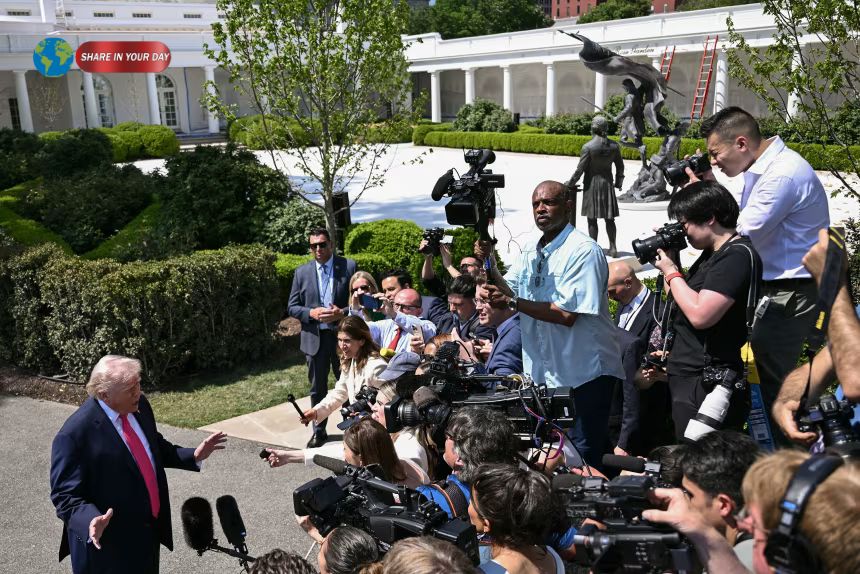
The controversy began when Donald Trump alleged that Pope Leo XIV had expressed support for Iran’s right to possess nuclear weapons. The statement quickly gained traction across political circles and social media platforms.
However, critics were quick to question the accuracy of the claim. Within hours, journalists and analysts began reviewing the pope’s public statements, searching for any evidence that could support Trump’s assertion.
The result? None was found.
2. No Evidence Supports the Trump Pope Iran Claim
Fact-checking organizations, including CNN, concluded that there is no record of Pope Leo XIV ever endorsing Iran’s nuclear ambitions.
Extensive reviews of speeches, interviews, and official Vatican communications revealed a consistent pattern: the pope has repeatedly advocated for peace, diplomacy, and nuclear non-proliferation.
This directly contradicts the Trump Pope Iran claim.
3. The Pope’s Actual Position Is Strongly Anti-War
Rather than supporting military escalation, Pope Leo XIV has consistently condemned war and violence. His messaging aligns with longstanding Catholic doctrine, which emphasizes peace and dialogue.
In recent remarks, the pope described modern warfare as “a failure of humanity,” urging world leaders to prioritize negotiation over confrontation.
This stance places him firmly in opposition to the idea of expanding nuclear capabilities, including in Iran.
4. Misinterpretation May Have Fueled the Claim
One possible explanation for the Trump Pope Iran claim is misinterpretation. In some cases, religious leaders speak in broad moral terms that can be taken out of context.
For example, the pope has called for understanding the root causes of conflict and avoiding blanket condemnation of nations. While such statements promote diplomacy, they do not imply support for nuclear weapons.
Nevertheless, in a politically charged environment, nuanced language can easily be distorted.
5. The Claim Emerged During Heightened Iran Tensions
Timing plays a crucial role in understanding this controversy. The claim surfaced amid escalating tensions involving Iran’s nuclear program and global security concerns.
At such moments, political rhetoric tends to intensify. Leaders often adopt stronger language to reinforce their positions, especially when addressing national security.
However, this environment also increases the risk of misinformation spreading rapidly.
6. Experts Warn About the Dangers of Misinformation
Analysts and political experts have highlighted the broader implications of the Trump Pope Iran claim. False or misleading statements can have serious consequences, particularly when they involve sensitive international issues.
Misinformation can:
- Undermine diplomatic efforts
- Increase public confusion
- Escalate tensions between nations
- Damage the credibility of public figures
Therefore, accurate reporting and fact-checking remain critical.
7. The Feud Reflects a Deeper Ideological Divide
Beyond the factual dispute, the Trump Pope Iran claim reveals a deeper divide between political and religious perspectives.
Donald Trump’s rhetoric often emphasizes national security and strength. In contrast, Pope Leo XIV focuses on moral responsibility and global peace.
This clash is not new. Historically, political leaders and religious figures have often disagreed on how to address conflict, particularly when ethical considerations intersect with strategic interests.
The Role of Media in Fact-Checking
Media organizations play a crucial role in verifying claims and providing accurate information to the public. In this case, outlets like CNN conducted detailed analyses to determine the validity of Trump’s statement.
Their findings were clear: the claim lacks factual support.
For readers seeking more context, you can explore the original reporting on
👉 https://edition.cnn.com/2026/04/16/politics/fact-check-trump-pope-iran
Additionally, broader discussions on nuclear policy and global security can be found at reputable sources such as
👉 https://www.iaea.org
Why This Story Matters Globally
The Trump Pope Iran claim is more than just a political disagreement. It highlights critical issues affecting the global community.
1. Trust in Leadership
Public trust depends on accurate information. When high-profile figures make unverified claims, it can erode confidence in leadership.
2. Impact on International Relations
Statements involving nuclear weapons and religious leaders can influence diplomatic dynamics. Misinterpretations may complicate negotiations or fuel misunderstandings.
3. Importance of Critical Thinking
In the digital age, information spreads quickly. Readers must evaluate sources carefully and rely on credible reporting.
Internal Perspective: What This Means for Readers
For readers and analysts, the key takeaway is simple: always verify before accepting claims as truth.
If you’re interested in more fact-based global political analysis, visit our internal coverage here:
👉 https://yourwebsite.com/global-politics-analysis
Conclusion
The Trump Pope Iran claim has been thoroughly examined, and the conclusion is clear: there is no evidence to support the allegation that Pope Leo XIV endorsed Iran having nuclear weapons.
Instead, the pope’s consistent message has been one of peace, restraint, and diplomacy. The controversy underscores the importance of accurate information, especially in matters involving global security and influential leaders.
As political discourse continues to evolve, one thing remains constant—the need for truth, clarity, and responsible communication.