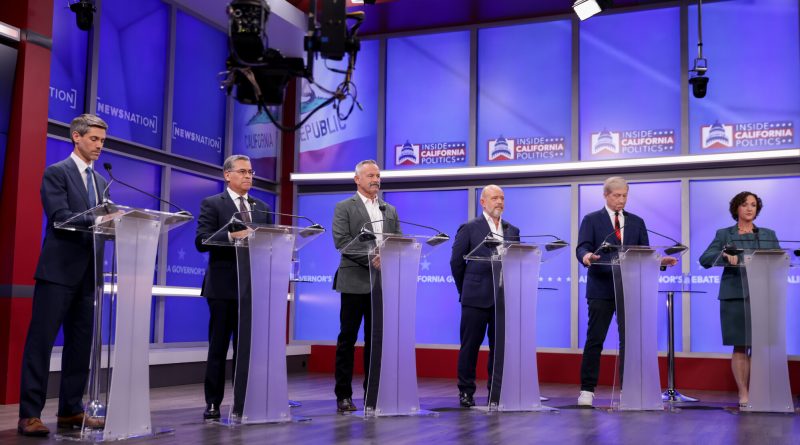
California Governor Race 2026 Intensifies With High-Stakes Debate
The California governor race 2026 entered a critical phase this week as leading candidates clashed in a heated debate that underscored deep divisions on policy, leadership, and vision for the state’s future. With voters increasingly engaged and polls tightening, the debate served as a defining moment for contenders seeking to distinguish themselves in one of the most closely watched races in the country.
From economic recovery strategies to housing affordability and public safety, the candidates used the stage to challenge each other directly. However, much of the attention centered on the sharp attacks aimed at two prominent figures: billionaire activist Tom Steyer and current Attorney General Xavier Becerra.
Rivals Zero In on Steyer and Becerra
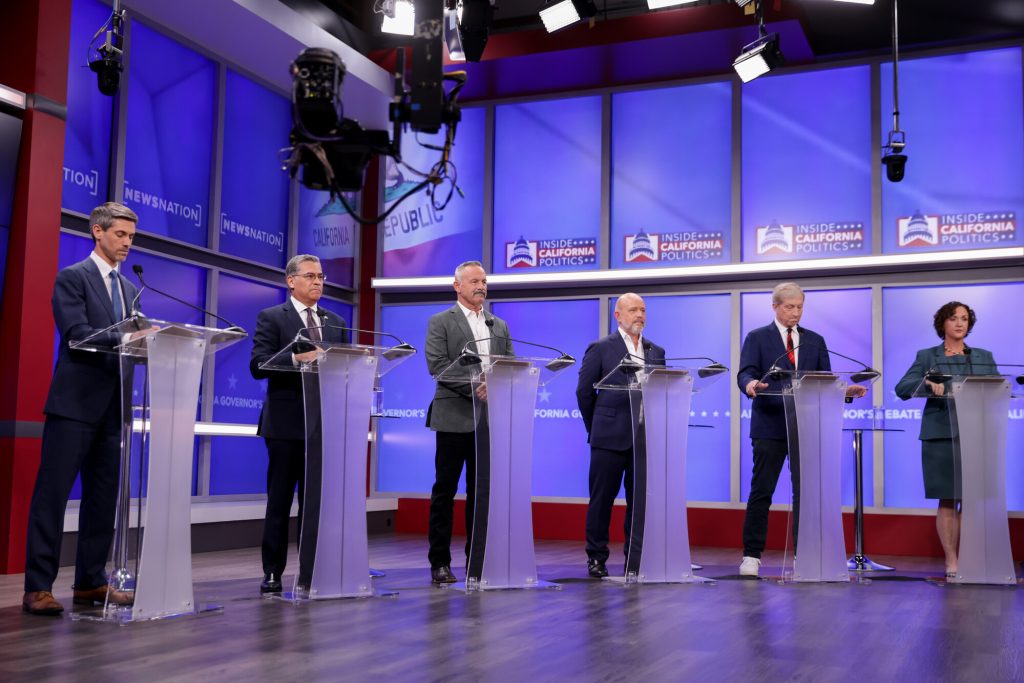
The debate quickly turned confrontational as multiple candidates targeted Steyer and Becerra, both seen as frontrunners in the California governor race 2026. Critics questioned Steyer’s political experience, arguing that his background as a wealthy donor does not necessarily translate into effective governance.
Meanwhile, Becerra faced scrutiny over his record as attorney general. Opponents pressed him on issues ranging from crime policy to his handling of statewide legal challenges. These attacks signaled a strategic effort to weaken his standing among undecided voters.
However, both candidates pushed back firmly. Steyer emphasized his outsider status as a strength, positioning himself as someone capable of bringing fresh ideas to Sacramento. Becerra, on the other hand, defended his record and highlighted his experience in navigating complex legal and political landscapes.
Economic Policy Takes Center Stage
A major theme throughout the debate was the state’s economic future. Candidates offered competing visions on how to sustain growth while addressing inequality—an issue that continues to dominate the California governor race 2026.
Several candidates advocated for increased investment in green energy and technology sectors, arguing that California must remain a global leader in innovation. Others focused on small business support, calling for tax reforms and regulatory relief to stimulate job creation.
Steyer leaned heavily on climate-focused economic policies, proposing aggressive investments in renewable energy infrastructure. Becerra emphasized balanced growth, highlighting the need to protect workers while encouraging innovation.
Housing Crisis Sparks Heated Exchanges
Housing affordability emerged as one of the most contentious topics of the night. With California facing a persistent housing shortage, candidates debated solutions ranging from zoning reforms to expanded state funding for affordable housing.
The California governor race 2026 has increasingly revolved around this issue, as rising costs continue to impact millions of residents. During the debate, candidates criticized each other’s plans as either too ambitious or insufficiently bold.
Becerra outlined a multi-pronged strategy involving public-private partnerships and increased housing construction. Steyer proposed large-scale investments to accelerate development, particularly in underserved communities.
Other candidates argued for stricter regulations on corporate landlords and stronger tenant protections, reflecting broader concerns about housing inequality.
Public Safety and Criminal Justice in Focus
Public safety also played a central role in the debate, with candidates offering differing approaches to criminal justice reform. The California governor race 2026 has seen growing voter concern about crime rates, making this a key issue for many campaigns.
Becerra defended his record, emphasizing efforts to balance reform with accountability. However, critics accused him of being either too lenient or too inconsistent, depending on the issue.
Steyer advocated for community-based solutions, including increased funding for prevention programs and mental health services. Other candidates called for tougher enforcement measures, arguing that public safety must be prioritized.
The exchanges highlighted the challenge of addressing complex social issues while appealing to a diverse electorate.
Climate Change Remains a Defining Issue
As expected in a California election, climate change was a major topic. The California governor race 2026 has placed environmental policy at the forefront, with candidates competing to present the most comprehensive plans.
Steyer positioned himself as the strongest advocate for aggressive climate action, citing his long history of environmental activism. He called for rapid transitions to renewable energy and stricter emissions regulations.
Becerra emphasized pragmatic solutions, arguing that environmental policies must also consider economic impacts. Other candidates proposed a mix of approaches, including investments in clean technology and incentives for sustainable practices.
Despite differences, there was broad agreement on the importance of addressing climate change, though the specifics of how to do so remain a point of contention.
Debate Highlights Reveal Strategic Shifts
The debate offered several key moments that could shape the trajectory of the California governor race 2026:
- Direct Confrontations: Candidates did not shy away from personal and policy-based attacks, signaling a more aggressive phase of the campaign.
- Policy Depth: Detailed proposals on housing, economy, and climate demonstrated a focus on substantive issues.
- Voter Appeal: Candidates tailored their messages to resonate with key voter groups, including young voters and suburban communities.
- Leadership Contrast: The debate highlighted differences in experience, style, and vision among the candidates.
- Momentum Shifts: Strong performances could boost some campaigns while raising questions about others.
These moments underscored the high stakes involved as candidates vie for voter support in a crowded field.
Polls Tighten as Race Becomes More Competitive
Recent polling indicates that the California governor race 2026 is becoming increasingly competitive. While Steyer and Becerra remain prominent figures, other candidates are gaining traction, suggesting that the race is far from settled.
The debate may influence voter perceptions, particularly among those who are still undecided. Analysts note that performances in high-profile debates often play a crucial role in shaping election outcomes.
As the campaign progresses, candidates will likely continue refining their strategies to capitalize on debate momentum and address any perceived weaknesses.
What This Means for Voters
For voters, the California governor race 2026 represents a choice between different visions for the state’s future. The debate highlighted key issues that will likely define the election, including economic growth, housing affordability, public safety, and climate change.
Moreover, the intense exchanges between candidates reflect the high stakes involved. California’s size and influence make its gubernatorial race a significant event not only for the state but also for national politics.
Voters will need to evaluate candidates based on their policies, experience, and ability to lead effectively in a complex and rapidly changing environment.
Looking Ahead to the Next Phase
As the California governor race 2026 moves forward, candidates are expected to intensify their campaigns, focusing on outreach, fundraising, and additional debates. The coming weeks will be critical in determining which candidates can build momentum and secure broader support.
Political observers anticipate further clashes as candidates seek to differentiate themselves in an increasingly crowded field. With so much at stake, every debate, policy announcement, and campaign event could influence the outcome.
Conclusion
The latest debate in the California governor race 2026 offered a clear snapshot of a competitive and evolving contest. With rivals targeting Steyer and Becerra, and key issues dominating the discussion, the race is shaping up to be one of the most dynamic in recent memory.
As voters continue to engage with the candidates and their proposals, the path to the governorship remains wide open. What is certain, however, is that the intensity and significance of this race will only grow in the months ahead.