Lebanon Peacekeeper Attack: Deadly Blow to Fragile Ceasefire
A deadly Lebanon peacekeeper attack has shaken the already fragile ceasefire between Israel and Hezbollah, raising serious concerns about the stability of the region. A French soldier serving under the United Nations peacekeeping mission was killed, while three others were wounded in an ambush in southern Lebanon.
The incident marks a significant escalation at a time when diplomatic efforts were beginning to ease tensions after weeks of intense conflict. It also highlights the increasing risks faced by international peacekeepers operating in volatile environments.
French Soldier Killed in Southern Lebanon
According to reports, the attack targeted a patrol from the United Nations Interim Force in Lebanon (UNIFIL) near the village of Ghandouriyeh. The patrol was conducting a mission to clear explosive ordnance and restore access to isolated UN positions when it came under fire.
The soldier killed was identified as a French serviceman, while three others sustained injuries, two of them serious. United Nations Interim Force in Lebanon confirmed that the attack involved small-arms fire from unidentified armed individuals.
French President Emmanuel Macron condemned the attack, calling for an immediate investigation and accountability for those responsible.
Hezbollah Denies Responsibility
Initial statements from French and UN officials suggested that the Iran-backed militant group Hezbollah may have been involved in the attack. However, Hezbollah has strongly denied responsibility and urged Lebanese authorities to conduct a full investigation.
The conflicting narratives have added another layer of complexity to an already tense situation. While some officials point to patterns consistent with Hezbollah operations, the group insists it had no role in the ambush.
Lebanon’s military tribunal has since opened an official investigation into the incident.
Ceasefire Already Under Pressure
The Lebanon peacekeeper attack comes just days after a U.S.-brokered ceasefire between Israel and Lebanon took effect. The agreement, designed to halt weeks of intense fighting, established a temporary 10-day truce beginning April 16, 2026.
However, even before the attack, signs of strain were already emerging. Both sides had accused each other of violations, and sporadic clashes continued in some areas.
Israel has carried out additional strikes in southern Lebanon, citing threats and ceasefire breaches. Meanwhile, Hezbollah has warned that it will respond to any perceived aggression.
This latest incident involving UN peacekeepers now threatens to derail the fragile agreement entirely.
Rising Risks for UN Peacekeepers
The attack underscores the growing dangers faced by UN peacekeeping forces in Lebanon. Established in 1978, United Nations Interim Force in Lebanon has long operated in one of the world’s most volatile regions.
Peacekeepers are tasked with monitoring ceasefires, supporting humanitarian efforts, and maintaining stability along the Israel-Lebanon border. However, they increasingly find themselves caught in the crossfire.
In recent weeks, multiple incidents have targeted UN personnel and infrastructure, including artillery strikes, detentions, and equipment destruction.
These developments raise serious questions about the safety and effectiveness of international peacekeeping missions in active conflict zones.
Broader Regional Context
The situation in Lebanon cannot be viewed in isolation. It is part of a wider regional conflict involving Israel, Hezbollah, and Iran.
The escalation began earlier in 2026 following U.S.-Israeli strikes on Iranian targets, which triggered a broader confrontation across the Middle East.
Since then, the region has seen:
- Cross-border attacks between Israel and Hezbollah
- Massive displacement of civilians in Lebanon
- Destruction of infrastructure in southern regions
- Heightened tensions involving global powers
At least one million people have been displaced during the recent conflict, highlighting the humanitarian scale of the crisis.
Fragile Peace Efforts at Risk
The ceasefire agreement represented a rare moment of diplomatic progress, marking the first direct engagement between Israel and Lebanon in decades.
Negotiations aimed to create a pathway toward long-term stability, including discussions on border security and disarmament of armed groups.
However, the Lebanon peacekeeper attack has cast doubt on whether these efforts can succeed.
Experts warn that attacks on international forces often signal deeper instability and can quickly escalate into broader conflict.
International Reactions Pour In
Global leaders have condemned the attack and called for restraint.
France has demanded justice and increased protection for its troops. Meanwhile, the United Nations has reiterated its commitment to maintaining peace while urging all parties to respect international law.
The incident has also drawn attention from other global actors, many of whom are concerned about the potential collapse of the ceasefire.
Diplomatic pressure is mounting on Lebanon to investigate the attack thoroughly and prevent further violence.
Civilians Caught in the Middle
As tensions rise, it is civilians who continue to bear the brunt of the conflict.
In recent days, thousands of displaced families had begun returning to their homes following the ceasefire. However, the renewed violence has reignited fears and uncertainty.
Many residents remain skeptical about the durability of the truce, fearing that full-scale conflict could resume at any moment.
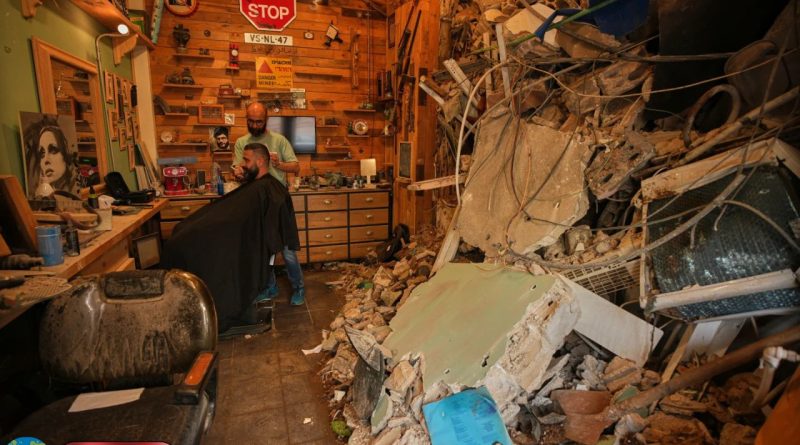
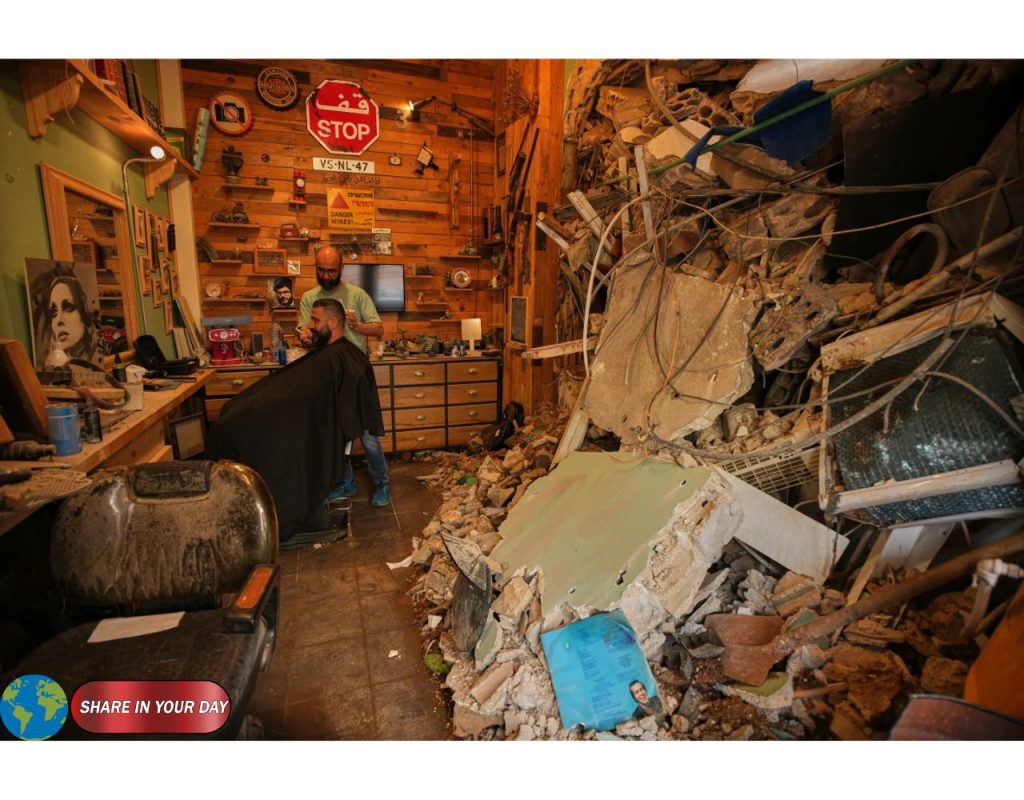
The destruction left behind by weeks of fighting has already devastated communities, with entire neighborhoods reduced to rubble.
What Happens Next?
The coming days will be critical in determining the future of the ceasefire.
Key factors include:
- The outcome of the investigation into the attack
- Whether additional retaliatory actions occur
- The ability of diplomatic efforts to contain tensions
If the situation escalates further, the region could see a return to widespread conflict, with significant global implications.
A Turning Point for the Region
The Lebanon peacekeeper attack may prove to be a turning point in the ongoing crisis. It highlights the fragility of current peace efforts and the challenges of maintaining stability in a highly complex geopolitical environment.
For now, the international community is watching closely, hoping that diplomacy can prevail over escalation.
However, with tensions already high and trust in short supply, the path forward remains uncertain.
Conclusion
The killing of a French peacekeeper in Lebanon is more than an isolated incident—it is a stark reminder of how fragile peace can be in conflict zones.
As investigations continue and global leaders respond, the focus will remain on preventing further violence and preserving the ceasefire.
Whether these efforts succeed or fail could shape the future of the Middle East in the weeks and months ahead.