Blake Lively Trial Revealed: A Hollywood Legal Drama Unfolds
The Blake Lively trial has quickly become one of the most talked-about celebrity legal battles of 2026. What began as a serious dispute tied to the film It Ends With Us has evolved into a high-profile courtroom spectacle—drawing fans, influencers, and media attention from around the world.
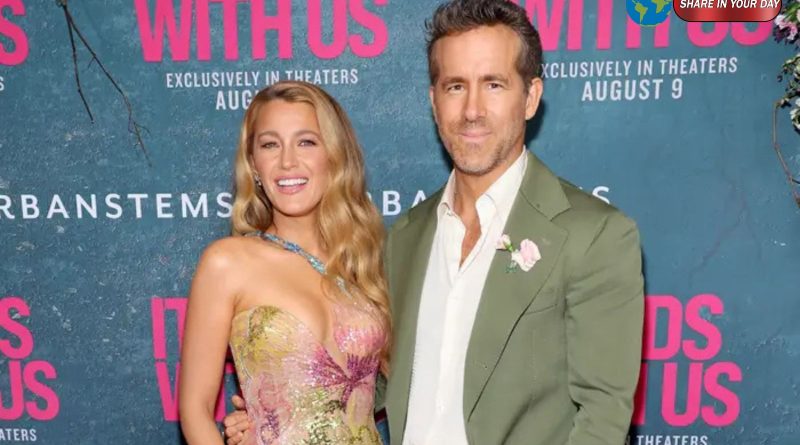
At the center of the case is Blake Lively, who filed claims against Justin Baldoni, with Ryan Reynolds indirectly involved due to his support and connection.
However, beyond the legal filings and motions, what is unfolding inside the courtroom tells a much larger story—one about fame, public perception, and the growing influence of social media on justice.
The Origins of the Blake Lively Trial
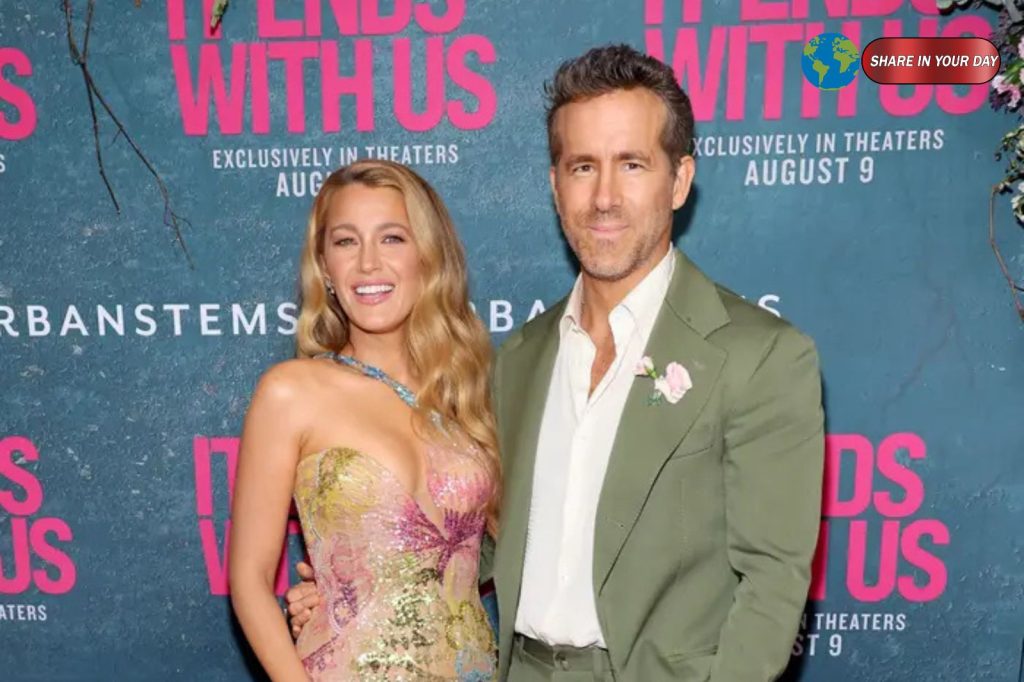
The Blake Lively trial stems from events surrounding the production of It Ends With Us, a highly anticipated adaptation of a bestselling novel.
Initially, Lively accused Baldoni of misconduct, including harassment and retaliation. Baldoni strongly denied the allegations and responded with countersuits, escalating the conflict into a complex legal battle.
Over time, several claims have been dismissed, while others remain active. As a result, the case has shifted from a straightforward dispute into a layered courtroom confrontation involving legal strategy, reputation management, and media narratives.
Inside the Courtroom: A Different Kind of Audience
One of the most striking aspects of the Blake Lively trial is the composition of the courtroom audience.
Unlike traditional legal proceedings, this trial has attracted:
- Social media influencers
- Legal content creators
- Fans of the celebrities involved
Observers inside the courtroom have noted that many attendees are not neutral. Instead, they arrive with opinions already shaped by online discussions.
This creates a unique atmosphere—one where the courtroom feels less like a place of quiet deliberation and more like a live extension of the internet.
Public Opinion Is Already Taking Sides
As the Blake Lively trial unfolds, public sentiment appears divided.
Some courtroom observers have openly expressed skepticism toward Lively’s claims. Others continue to support her, citing the seriousness of the initial allegations.
This polarization reflects a broader trend seen in recent celebrity trials. Rather than waiting for a verdict, audiences form conclusions early—often based on partial information or online commentary.
Meanwhile, this dynamic raises an important question: how much influence should public opinion have on legal proceedings?
The Role of Social Media in the Blake Lively Trial
Social media platforms are playing a major role in shaping the narrative of the Blake Lively trial.
Content creators are:
- Breaking down courtroom updates
- Sharing opinions and “analysis”
- Turning legal arguments into viral content
In many cases, the trial is being interpreted through short-form videos and trending posts rather than official court documents.
This shift has transformed the case into more than a legal matter—it has become a form of digital entertainment.
However, this also introduces risks. Misinformation can spread quickly, and complex legal issues may be oversimplified for engagement.
Ryan Reynolds’ Presence Adds More Attention
The involvement of Ryan Reynolds has significantly increased public interest in the Blake Lively trial.
Although not the central figure in the lawsuit, Reynolds has:
- Publicly supported Lively
- Been mentioned in legal filings
- Potentially faced involvement in testimony
His global popularity brings additional media coverage, ensuring that the case remains in the spotlight.
For many observers, his presence elevates the trial from a Hollywood dispute to a global headline.
Career Risks for Everyone Involved
Beyond the legal outcome, the Blake Lively trial carries serious professional implications.
Hollywood is an industry heavily influenced by reputation. Even unresolved allegations or prolonged legal battles can impact future opportunities.
Some observers have raised concerns such as:
- Will studios hesitate to cast those involved?
- Could the controversy affect upcoming projects?
- How will public perception shape long-term careers?
These questions highlight the high stakes of the case—not just legally, but professionally.
Comparisons to Other Celebrity Trials
The Blake Lively trial is often compared to past high-profile cases, where courtroom proceedings became cultural events.
In those instances, public opinion played a significant role, sometimes overshadowing legal arguments.
Similar patterns are emerging here:
- Online communities forming opposing camps
- Viral moments influencing perception
- Media coverage focusing on drama as much as facts
This comparison underscores how celebrity trials have evolved in the digital age.
The Media’s Role in Shaping the Narrative
Media coverage of the Blake Lively trial has been extensive—and sometimes polarized.
Different outlets emphasize different aspects:
- Legal details and filings
- Personal dynamics between individuals
- Public reactions and social media trends
As a result, audiences receive a fragmented picture of the case.
This highlights the importance of critical thinking when following such stories. Not all coverage provides the same level of depth or accuracy.
The Legal Complexity Behind the Headlines
Despite the attention and speculation, the Blake Lively trial remains a complex legal matter.
The case involves:
- Multiple claims and counterclaims
- Dismissed and ongoing allegations
- Contractual and reputational issues
Legal experts note that such cases often take time to resolve. Court decisions are based on evidence, procedure, and law—not public opinion.
Therefore, while the trial may appear dramatic, its outcome will ultimately depend on legal arguments presented in court.
Why This Trial Matters Beyond Hollywood
The significance of the Blake Lively trial extends beyond celebrity news.
It raises broader questions about:
- The impact of social media on justice
- The balance between public opinion and legal process
- The role of media in high-profile cases
In many ways, the trial reflects changes in how society consumes and interprets information.
It also highlights the challenges of maintaining fairness in an age of instant communication.
A New Era of Public Trials
The Blake Lively trial represents a new kind of courtroom experience—one shaped by digital culture.
Unlike in the past, where trials were primarily followed through official reports, today’s audiences engage in real time.
This creates both opportunities and challenges:
- Greater transparency
- Increased public interest
- Risk of misinformation
As technology continues to evolve, this model of “public trial” may become more common.
Final Thoughts
The Blake Lively trial is more than just a legal dispute—it is a reflection of modern culture.
It combines elements of entertainment, social media, and law into a single narrative that continues to unfold.
While the final verdict remains uncertain, one thing is clear:
The trial is already shaping public perception, influencing careers, and redefining how high-profile legal battles are experienced.
In today’s world, justice is no longer confined to the courtroom—it is being watched, discussed, and debated by millions in real time.