
Wildfire Smoke Cancer Risk: A Growing Global Health Threat
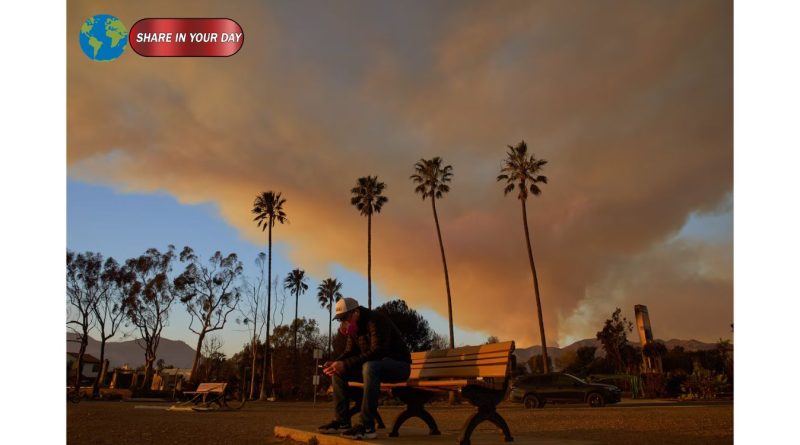
The wildfire smoke cancer risk is becoming an urgent concern as new research reveals alarming links between long-term smoke exposure and multiple types of cancer. Scientists are increasingly warning that as wildfires grow more frequent and intense, the health consequences may extend far beyond immediate respiratory problems.
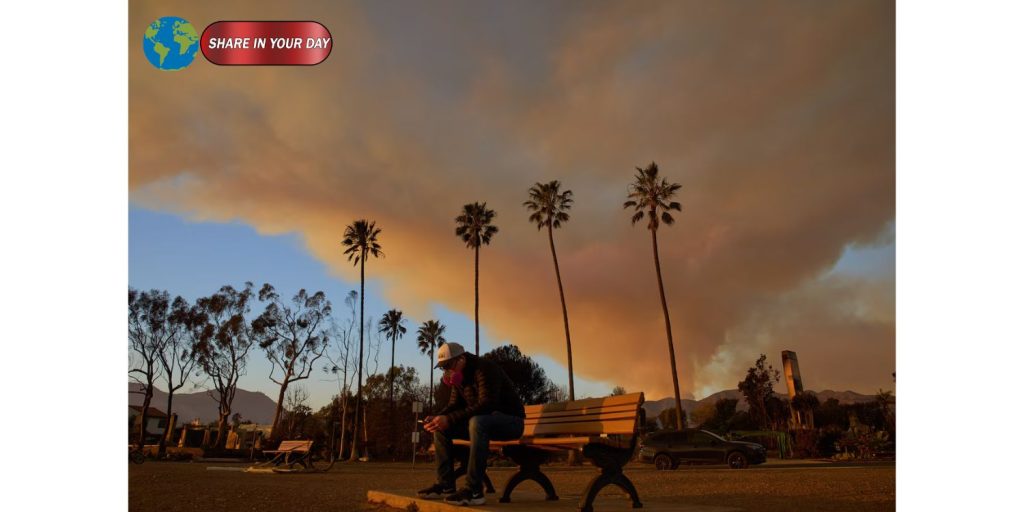
A recent study presented at a major cancer research conference found that prolonged exposure to wildfire smoke could significantly increase the risk of cancers including lung, breast, colorectal, bladder, and blood cancers.
While the research is still under review, the findings add to a growing body of evidence suggesting that wildfire smoke is not just a short-term hazard—but a long-term public health crisis.
What the Study Reveals About Wildfire Smoke Cancer Risk
The study analyzed data from more than 91,000 individuals, tracking their exposure to wildfire smoke over several years. Researchers found a strong association between higher exposure levels and increased cancer risk.
One of the most striking findings involves fine particulate matter (PM2.5)—tiny airborne particles produced in large quantities during wildfires. These particles are so small that they can:
- Penetrate deep into the lungs
- Enter the bloodstream
- Travel to various organs in the body
Even small increases in PM2.5 exposure over time were linked to significantly higher cancer risks.
For example, the study reported that a modest rise in exposure over three years could dramatically elevate the likelihood of developing certain cancers, particularly bladder cancer.
Why Wildfire Smoke Is So Dangerous
Wildfire smoke is not just burned wood. It is a toxic mixture of chemicals and particles created when forests, homes, vehicles, and synthetic materials burn.
According to environmental health experts, wildfire smoke contains:
- Carcinogens such as benzene and formaldehyde
- Heavy metals like lead
- Toxic organic compounds from plastics and electronics
These substances combine to create what scientists describe as a “toxic soup” that can harm nearly every system in the body.
Moreover, PM2.5 particles are particularly dangerous because they can bypass the body’s natural defenses and trigger inflammation at the cellular level—one of the key processes linked to cancer development.
From Short-Term Symptoms to Long-Term Disease
Historically, wildfire smoke has been associated with immediate health effects such as:
- Coughing and throat irritation
- Asthma attacks
- Shortness of breath
However, recent research suggests the long-term impacts may be far more serious.
Studies have already linked wildfire smoke exposure to:
- Cardiovascular disease
- Stroke
- Neurological conditions like dementia
Now, the emerging evidence on wildfire smoke cancer risk indicates that chronic exposure could contribute to the development of life-threatening diseases years later.
Climate Change Is Making the Problem Worse
The rising wildfire smoke cancer risk cannot be separated from climate change.
As global temperatures increase:
- Wildfires are becoming more frequent
- Fire seasons are lasting longer
- Burn areas are expanding
This means more people are being exposed to smoke for longer periods of time.
In fact, research suggests that wildfire smoke already contributes to tens of thousands of premature deaths annually, and the number could rise significantly in the coming decades.
In some projections, smoke-related deaths in the United States alone could reach 70,000 per year by 2050 if current trends continue.
A Hidden Risk That Travels Far
One of the most concerning aspects of wildfire smoke is its ability to travel vast distances.
Unlike many environmental hazards, smoke is not confined to the area of the fire. It can:
- Spread across entire regions
- Cross national borders
- Affect populations hundreds or even thousands of miles away
This means that even people living far from wildfire zones may still face increased health risks.
Experts emphasize that this widespread exposure could make wildfire smoke one of the most significant environmental health threats of the 21st century.
Scientists Urge Caution: Association, Not Proof
Despite the alarming findings, researchers stress that the current study shows a strong association, not definitive causation.
In other words:
- The data links wildfire smoke exposure to higher cancer risk
- But it does not yet prove that smoke directly causes cancer
However, scientists say the biological mechanisms are highly plausible.
The combination of:
- Carcinogenic chemicals
- Chronic inflammation
- Long-term exposure
creates conditions that are known to increase cancer risk.
Implications for Public Health and Policy
The growing evidence around wildfire smoke cancer risk could have major implications for public health strategies.
Experts suggest that governments and health systems may need to:
- Update air quality standards
- Improve wildfire monitoring systems
- Expand cancer screening programs in high-risk areas
In addition, urban planning and climate policies could play a crucial role in reducing exposure.
How Individuals Can Protect Themselves
While large-scale solutions are necessary, individuals can take steps to reduce their exposure to wildfire smoke.
Health experts recommend:
1. Monitor Air Quality
Check local air quality indexes regularly, especially during wildfire season.
2. Limit Outdoor Activity
Avoid outdoor exercise or prolonged exposure when air quality is poor.
3. Use Air Filtration
High-efficiency air purifiers can significantly reduce indoor pollution levels.
4. Wear Protective Masks
N95 masks can filter out most harmful particles when used correctly.
5. Seal Indoor Spaces
Keep windows and doors closed during heavy smoke events to prevent contamination.
The Bigger Picture: A Long-Term Crisis
The discussion around wildfire smoke cancer risk highlights a broader issue: the long-term health impacts of environmental change.
As wildfires become more intense and widespread, the consequences are no longer limited to burned landscapes. Instead, they are increasingly affecting:
- Air quality
- Public health systems
- Global disease patterns
Scientists warn that without significant action, wildfire smoke could become a major driver of chronic illness worldwide.
Conclusion
The emerging evidence on wildfire smoke cancer risk represents a critical turning point in how we understand the health impacts of wildfires.
What was once seen primarily as a short-term respiratory hazard is now being recognized as a potential long-term cancer risk. Although more research is needed to confirm causation, the current findings are strong enough to raise serious concern.
As climate change continues to fuel more frequent and intense wildfires, the importance of addressing this issue will only grow. Both policymakers and individuals will need to adapt to a new reality—one where the air we breathe during wildfire season may carry risks that last a lifetime.