Rivian R2 Production Begins Despite Tornado Damage
The launch of Rivian R2 production marks a critical milestone for the electric vehicle (EV) industry in 2026. The American automaker has officially begun building its highly anticipated R2 electric SUV—just days after a tornado struck its manufacturing facility in Normal, Illinois.
Despite the unexpected disruption, Rivian pushed forward, signaling both operational resilience and the urgency behind this model. The R2 is widely viewed as the company’s most important vehicle yet, designed to expand its market reach and move toward profitability.
A Major Step Forward for Rivian
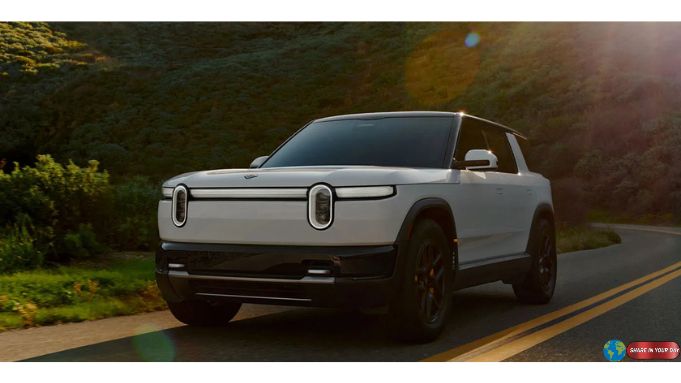
The Rivian R2 is a mid-size electric SUV positioned as a more affordable alternative to the company’s premium R1 lineup.
While Rivian built its reputation on high-end electric trucks and SUVs, the R2 represents a strategic pivot toward mass-market appeal. By offering a lower price point and streamlined design, the company aims to compete directly with popular EVs like Tesla’s Model Y.
Production officially began in April 2026 at Rivian’s Illinois plant, the same facility impacted by the tornado.
5 Powerful Updates About Rivian R2 Production
1. Production Started Just Days After a Tornado
One of the most surprising aspects of Rivian R2 production is the timing. An EF-1 tornado damaged part of the factory, including the section dedicated to R2 assembly.
Despite this, Rivian quickly resumed operations and began rolling out the first production units, demonstrating strong recovery capabilities.
2. First Units Go to Employees
The initial batch of R2 vehicles will not go directly to customers. Instead, Rivian is delivering the first units to its own employees.
This approach allows the company to gather real-world feedback, identify potential issues, and refine the production process before scaling up for public deliveries.
3. Customer Deliveries Expected This Spring
Rivian has confirmed that customer deliveries will begin later in spring 2026, keeping the launch timeline intact despite earlier concerns about delays.
Customers will also begin configuring their vehicles around June, providing more clarity on demand and production pacing.
4. Pricing Strategy Targets Mass Market
The R2 is expected to start around $57,990 for its launch variant, with more affordable versions planned in the coming years.
A base model priced closer to $45,000 is expected by 2027, making the R2 significantly more accessible than Rivian’s earlier models.
5. A Key Model for Rivian’s Future
The success of Rivian R2 production is essential for the company’s financial future. Analysts expect the model to account for tens of thousands of deliveries annually, potentially reaching up to 25,000 units in 2026 alone.
The R2 is also designed to cost less than half as much to build as the R1, thanks to manufacturing innovations and simplified components.
Why the R2 Matters So Much
Rivian’s long-term success depends heavily on the R2. Unlike its premium predecessors, this SUV is designed for a broader audience, offering a balance of performance, affordability, and practicality.
The vehicle features:
- Up to ~330 miles of range (depending on variant)
- Dual-motor and rear-wheel-drive configurations
- A simplified, cost-efficient platform
These features position the R2 as a serious contender in the growing EV market.
Competing in a Tough EV Market
The EV industry in 2026 is more competitive than ever. Established automakers and startups alike are racing to capture market share, while changing government policies and reduced incentives have made the landscape more challenging.
Rivian’s decision to focus on affordability with the R2 is a direct response to these pressures. By lowering production costs and targeting a wider audience, the company hopes to stabilize demand and improve profitability.
Production Strategy and Scaling Plans
Rivian’s Illinois facility will serve as the initial production hub for the R2. Over time, the company plans to scale operations and potentially expand to additional facilities, including a future plant in Georgia.
Production is expected to ramp up gradually:
- Limited initial output in early 2026
- Increased production through the second half of the year
- Significant scaling in 2027
This phased approach allows Rivian to manage supply chain risks while maintaining quality control.
Overcoming Challenges
Launching a new vehicle is never easy, and Rivian faces several challenges:
Supply Chain Risks
The EV industry continues to deal with supply chain uncertainties, particularly for batteries and semiconductors.
Pricing Pressure
With competitors offering increasingly affordable EVs, Rivian must balance cost reduction with maintaining quality.
Market Demand
Changes in government incentives and consumer sentiment could impact demand for electric vehicles.
Despite these challenges, the successful start of Rivian R2 production suggests the company is on a promising path.
Innovation Behind the R2
One of the reasons the R2 is so important lies in its engineering. Rivian has introduced several innovations aimed at reducing costs and improving efficiency:
- New drive unit design
- Simplified suspension system
- Increased use of large die-cast components
These changes not only lower manufacturing costs but also streamline production, making it easier to scale.
What This Means for Consumers
For consumers, the R2 represents an exciting new option in the EV market. It offers:
- A more affordable entry point into Rivian’s ecosystem
- Competitive range and performance
- A modern design with advanced features
As deliveries begin, the real-world performance and reception of the R2 will play a crucial role in shaping Rivian’s future.
The Road Ahead
Looking ahead, Rivian plans to expand its lineup further, including the upcoming R3 and R3X models. However, the immediate focus remains on ensuring the success of the R2.
If the company can meet its production and delivery targets, the R2 could become one of the most important EV launches of the decade.
Conclusion
The start of Rivian R2 production is more than just a manufacturing milestone—it’s a defining moment for the company. Launching the vehicle despite tornado damage highlights Rivian’s resilience and determination.
With deliveries set to begin this spring and demand already building, the R2 has the potential to transform Rivian from a niche EV maker into a mainstream competitor.
As the EV market continues to evolve, all eyes will be on how Rivian executes this crucial phase.