
Nike Job Cuts 2026: 3 Shocking Reasons Behind Layoffs
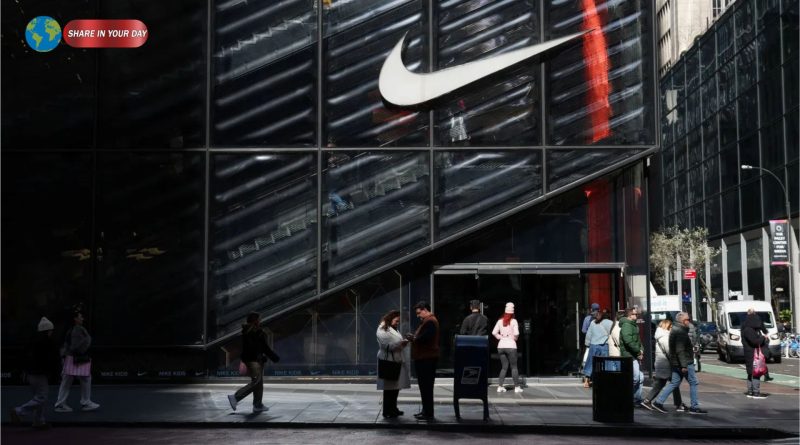
The Nike job cuts 2026 have sent shockwaves through the global business community, as the sportswear giant moves to eliminate around 1,400 roles in a major restructuring effort. The layoffs, reported by CNBC, mark one of the company’s most significant workforce reductions in recent years and highlight deeper challenges facing the iconic brand.
The move is part of a broader transformation strategy aimed at improving efficiency, cutting costs, and repositioning Nike in an increasingly competitive and uncertain market. However, the scale and timing of the layoffs raise serious questions about the company’s long-term direction.
A Major Workforce Reduction
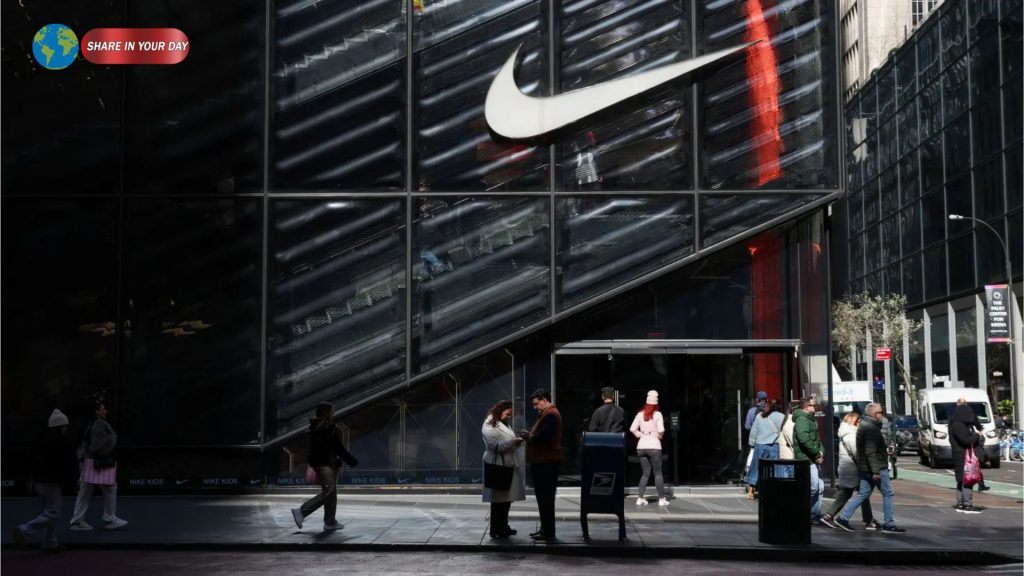
Nike confirmed that approximately 1,400 jobs will be cut globally, representing roughly 2% of its workforce.
Most of these layoffs are concentrated in the company’s technology and operations divisions, particularly in North America and Europe. The cuts are part of a strategic effort to streamline internal systems and focus on key innovation hubs.
This is not Nike’s first round of layoffs in 2026. Earlier in the year, the company eliminated hundreds of roles in its distribution centers as part of an automation push.
The latest announcement suggests a deeper, ongoing restructuring rather than a one-time adjustment.
Why Nike Is Cutting Jobs
1. Slowing Sales and Financial Pressure
One of the biggest drivers behind the Nike job cuts 2026 is slowing revenue growth.
The company has struggled with declining sales in key markets, especially in China, where demand has weakened significantly. Reports indicate that Nike expects a 20% drop in sales in China for the current quarter, adding pressure to its global performance.
At the same time, Nike’s stock has suffered a prolonged decline, losing a substantial portion of its value over the past few years. Increased competition from emerging brands has further eroded its market dominance.
This combination of declining sales and market pressure has forced Nike to take aggressive cost-cutting measures.
2. Shift Toward Technology and Automation
Another major factor behind the layoffs is Nike’s push toward technology-driven operations and automation.
The company is restructuring its tech division to centralize operations and improve efficiency. This includes focusing on key hubs such as its headquarters in Oregon and its technology center in India.
Automation is also playing a growing role in Nike’s supply chain. By reducing reliance on manual labor and increasing the use of advanced systems, the company aims to:
- Speed up production and distribution
- Reduce operational costs
- Improve responsiveness to market demand
However, this shift comes at a cost—fewer jobs.
Nike’s earlier layoffs in distribution centers were also tied to automation, signaling a broader industry trend where technology replaces traditional roles.
3. Strategic Restructuring and “Win Now” Plan
The layoffs are part of a larger turnaround strategy led by CEO Elliott Hill, who has been working to reposition Nike after years of inconsistent performance.
The company’s internal strategy—often referred to as a “win now” plan—focuses on several key areas:
- Streamlining operations
- Revamping product innovation
- Strengthening marketing efforts
- Rebalancing its sales channels
Nike is also shifting away from its previous heavy focus on direct-to-consumer sales and rebuilding relationships with wholesale partners.
This strategic reset requires significant organizational changes, including workforce reductions.
Competition Is Intensifying
Nike is no longer the uncontested leader it once was.
Rival brands such as On, Hoka, and Anta have gained significant market share, particularly in the fast-growing athletic footwear segment.
These competitors are attracting consumers with innovative designs, niche branding, and aggressive marketing strategies.
As a result, Nike is under increasing pressure to:
- Innovate faster
- Deliver products more efficiently
- Reconnect with consumers
The layoffs are part of an effort to make the company more agile in responding to these challenges.
A Broader Trend Across Corporate America
Nike’s decision reflects a wider pattern of layoffs across major companies in 2026.
Many corporations are cutting jobs as they adapt to:
- Artificial intelligence and automation
- Changing consumer behavior
- Economic uncertainty
Large firms across tech, retail, and finance sectors have announced workforce reductions this year, highlighting a shift toward leaner, more technology-driven operations.
In this context, Nike’s layoffs are not an isolated event but part of a broader transformation in the global economy.
Impact on Employees and Communities
The human impact of the Nike job cuts 2026 cannot be ignored.
Thousands of employees will be affected, particularly those working in:
- Technology roles
- Operations and logistics
- Support functions
For many workers, the layoffs represent not just job loss but uncertainty about future employment in an increasingly automated world.
Local communities where Nike operates may also feel the effects, as reduced employment can impact local economies and consumer spending.
What This Means for Nike’s Future
The layoffs raise important questions about Nike’s future direction.
Short-Term Outlook
In the short term, the job cuts are expected to:
- Reduce costs
- Improve operational efficiency
- Support profit margins
Investors often view such measures positively, as they signal discipline and focus.
Long-Term Challenges
However, the long-term outlook is less certain.
Nike still faces several key challenges:
- Rebuilding brand momentum
- Competing with emerging rivals
- Navigating global economic uncertainty
- Adapting to changing consumer preferences
If the restructuring is successful, Nike could emerge stronger and more competitive. If not, the company risks losing further ground in the global market.
A Turning Point for Nike
The Nike job cuts 2026 may ultimately represent a turning point for the company.
By cutting jobs and restructuring operations, Nike is attempting to reinvent itself for a new era of business—one defined by speed, technology, and intense competition.
However, such transformations are rarely smooth. They require careful execution, strong leadership, and a clear vision for the future.
Conclusion
Nike’s decision to cut approximately 1,400 jobs highlights the growing pressures facing even the world’s most recognizable brands.
The Nike job cuts 2026 are driven by a combination of:
- Slowing sales
- Technological transformation
- Strategic restructuring
While the layoffs may improve efficiency in the short term, they also underscore the challenges Nike must overcome to remain a global leader.
As the company navigates this critical period, the coming months will determine whether this bold move leads to a successful turnaround—or signals deeper struggles ahead.
