Cambodia-China Defence Ties Strengthen After Landmark Talks
Cambodia China defence ties have entered a new phase following a historic high-level dialogue that brought together top diplomatic and military leaders from both countries. The inaugural “2+2” strategic dialogue, held in Phnom Penh, marks a significant institutional upgrade in bilateral cooperation and underscores the growing alignment between the two nations on security, diplomacy, and regional stability.
The meeting, which involved both foreign and defence ministers, signals a deeper integration of political and military coordination. Analysts say this move reflects not only mutual trust but also a shared strategic vision in an increasingly complex geopolitical environment.
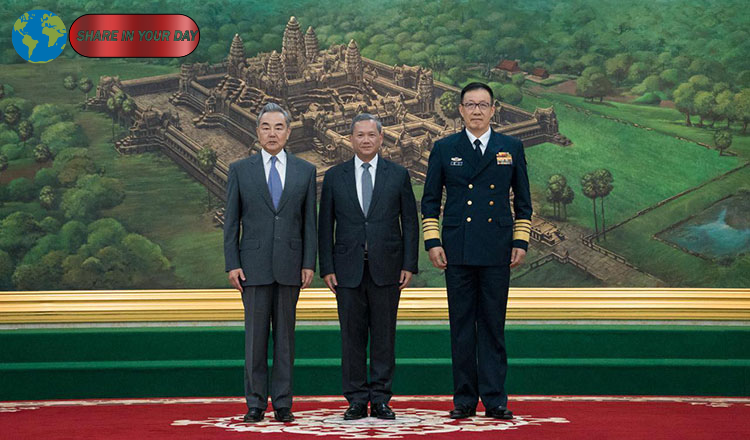
What Is the “2+2” Dialogue and Why It Matters
The “2+2” dialogue format is a mechanism that brings together foreign ministers and defence ministers from participating countries. In this case, Cambodia and China convened their first-ever session, demonstrating a commitment to synchronizing diplomatic and defence strategies under one platform.
This format allows both nations to address a wide range of issues simultaneously, from political cooperation to security challenges. According to reports, the talks resulted in broad consensus on strengthening ties across multiple sectors, including defence, law enforcement, and cybersecurity.
More importantly, the dialogue represents a shift toward institutionalized cooperation. Instead of ad-hoc meetings, both countries are now building a structured framework to sustain long-term collaboration.
5 Key Breakthroughs in Cambodia-China Defence Ties
1. Institutional Upgrade in Strategic Cooperation
One of the most significant outcomes of the dialogue is the formalization of high-level coordination between the two countries. Officials described the meeting as a major step in elevating bilateral relations to a more strategic level.
Experts say this institutional upgrade ensures continuity in cooperation, even amid changing political or regional dynamics. It also strengthens communication channels between military and diplomatic institutions.
2. Expansion Toward “3+3” Security Cooperation
In a notable development, both countries agreed to expand the existing framework into a “3+3” mechanism. This would include additional participation from internal security agencies, further integrating public security into the dialogue.
This expansion highlights the growing importance of non-traditional security threats, such as cybercrime and transnational crime, in shaping defence policies.
By incorporating more sectors, Cambodia and China aim to build a comprehensive security partnership that goes beyond traditional military cooperation.
3. Joint Efforts Against Cybercrime and Fraud
Another key outcome is the commitment to jointly combat online gambling, telecom fraud, and cybercrime. These issues have increasingly affected both countries and require coordinated action.
Chinese officials emphasized the need to “completely eradicate” such activities, while Cambodian leaders pledged stronger enforcement measures.
This cooperation reflects a broader trend in global security, where digital threats are becoming as critical as conventional military challenges.
4. Strengthening Regional Stability and Dialogue
The talks also focused on regional security, particularly tensions involving neighboring countries. China expressed support for peaceful dialogue and conflict resolution, including efforts to stabilize relations between Cambodia and Thailand.
Both sides emphasized the importance of diplomacy over confrontation, advocating for multilateral cooperation and peaceful dispute resolution.
This approach aligns with broader regional goals within ASEAN, where stability and cooperation remain top priorities.
5. Deepening “Ironclad” Friendship and Mutual Trust
Officials repeatedly highlighted the long-standing relationship between Cambodia and China, often described as an “ironclad friendship.” The dialogue reinforced this narrative by emphasizing mutual trust and shared interests.
Cambodian leaders reiterated their commitment to maintaining strong ties with China, while Chinese officials stressed the importance of solidarity in a “chaotic external environment.”
This mutual trust serves as the foundation for expanding cooperation in other areas, including infrastructure, energy, and economic development.
Broader Implications for Cambodia and the Region
A Strategic Shift in Southeast Asia
The strengthening of Cambodia China defence ties reflects broader geopolitical shifts in Southeast Asia. As global tensions rise, countries in the region are seeking stronger partnerships to ensure security and economic stability.
For Cambodia, closer ties with China provide access to military support, infrastructure investment, and diplomatic backing. Historically, China has been a key partner in Cambodia’s development and defence modernization.
At the same time, this partnership positions Cambodia as an important player in regional security dynamics.
Balancing Security and Sovereignty
While the partnership offers significant benefits, it also raises questions about balance and sovereignty. Some analysts argue that deeper defence ties could increase Cambodia’s reliance on China.
However, Cambodian officials have consistently emphasized that their foreign policy remains independent and focused on national interests. The government maintains that cooperation with China is part of a broader strategy to diversify partnerships.
Economic and Security Integration
Defence cooperation is increasingly linked with economic collaboration. During recent meetings, leaders discussed expanding cooperation in areas such as infrastructure, agriculture, and clean energy.
This integration of economic and security interests reflects a holistic approach to bilateral relations. It also strengthens resilience against external shocks, such as global economic downturns or regional conflicts.
The Role of Leadership in Strengthening Ties
High-level engagement has played a crucial role in advancing Cambodia China defence ties. Meetings between top leaders have helped set the direction for cooperation and ensure alignment on key issues.
Prime Minister Hun Manet, for example, has emphasized the importance of maintaining strong relations with China, particularly in areas such as defence, trade, and investment. Meanwhile, Chinese officials have reiterated their commitment to supporting Cambodia’s development and security.
These leadership-level interactions provide the political backing needed to implement agreements reached during dialogues.
Future Outlook: What Comes Next?
Expansion of Dialogue Mechanisms
The planned transition from a “2+2” to a “3+3” framework suggests that cooperation will continue to deepen. This evolution indicates a long-term commitment to expanding the scope of bilateral relations.
Future dialogues are expected to address emerging challenges, including cybersecurity, climate security, and regional stability.
Increased Military and Security Cooperation
As trust continues to grow, both countries are likely to expand joint training, intelligence sharing, and defence technology collaboration.
This could include more frequent military exercises and enhanced coordination in addressing transnational threats.
Greater Regional Influence
The strengthened partnership also enhances both countries’ influence in regional and global affairs. By aligning their strategies, Cambodia and China can play a more active role in shaping regional security frameworks.
This is particularly important as Southeast Asia navigates complex geopolitical dynamics involving major global powers.
Conclusion
The latest developments in Cambodia China defence ties mark a significant milestone in the evolution of their bilateral relationship. The inaugural “2+2” dialogue not only strengthens military cooperation but also lays the groundwork for a more comprehensive strategic partnership.
From expanding into a “3+3” framework to tackling cybercrime and promoting regional stability, the outcomes of this dialogue highlight a forward-looking approach to cooperation.
As both nations continue to deepen their ties, the partnership is expected to play an increasingly important role in shaping the future of Southeast Asia’s security landscape.