Spain NATO Suspension Shock: Pentagon Plan Revealed
A leaked internal Pentagon document has ignited fresh tensions within the North Atlantic Treaty Organization (NATO), raising the possibility of a Spain NATO suspension amid deepening divisions over the United States’ military strategy in the Iran conflict. The revelation has triggered diplomatic concern across Europe and renewed debate about the future cohesion of the Western alliance.
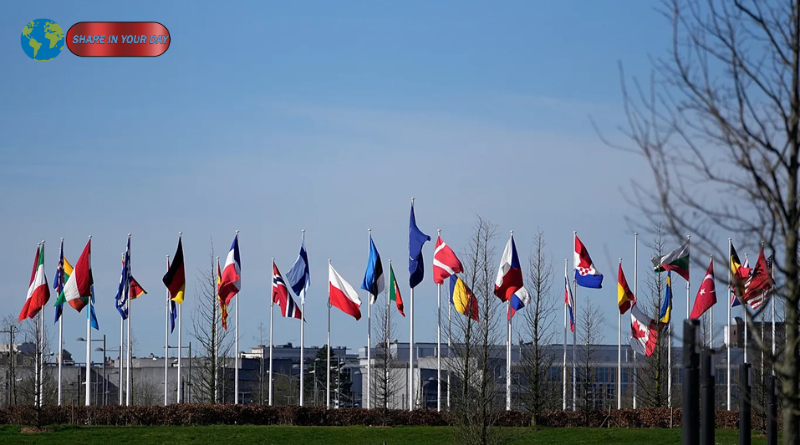
The document, first reported by international media, outlines a range of punitive measures the United States has considered against NATO allies that declined to support its military operations. Among the most striking proposals is the potential suspension of Spain from NATO—an idea that, while largely symbolic, underscores the growing strain between Washington and key European partners.
Why Spain Is at the Center of the Crisis
Spain’s position in this escalating dispute stems from its firm refusal to support U.S.-led military actions against Iran. The Spanish government declined to grant access to its military bases or airspace for operations, citing concerns over international law and regional stability.
This decision placed Madrid at odds with Washington, which has been seeking broader allied support for its campaign in the Middle East. According to the leaked Pentagon email, Spain’s stance was viewed as a critical obstacle, prompting discussions of retaliatory measures, including the controversial Spain NATO suspension proposal.
Spain was reportedly among the first NATO members to clearly reject participation in offensive operations, setting a precedent that other European nations partially followed.
What the Pentagon Leak Actually Says
The internal memo, attributed to senior U.S. defense officials, outlines several potential responses to what Washington perceives as insufficient support from allies. These include:
- Suspending Spain from NATO structures
- Downgrading its influence within the alliance
- Reassessing U.S. diplomatic support on unrelated geopolitical issues
The document reflects broader frustration within the U.S. administration, which has criticized European allies for not contributing enough to shared military efforts.
Notably, the proposal to suspend Spain is widely seen as more symbolic than practical. Analysts point out that such a move would carry political weight but have limited operational impact on U.S. military capabilities.
Can Spain Actually Be Suspended from NATO?
Despite the dramatic headlines, experts emphasize that a Spain NATO suspension is not legally straightforward—if it is possible at all.
NATO’s founding treaty does not include a mechanism for expelling or suspending member states. Any major structural change would require unanimous agreement among all member countries, making unilateral action by the United States effectively impossible.
Political analysts and diplomats have described the proposal as largely rhetorical, designed to pressure allies rather than signal an imminent policy shift. Even critics of Spain’s stance acknowledge that the alliance’s legal framework makes such a move highly unlikely.
Spain’s Response: Calm but Firm
Spanish Prime Minister Pedro Sánchez has downplayed the significance of the leaked email, emphasizing that his government responds only to official diplomatic channels—not internal documents or speculative proposals.
Madrid has reiterated that it remains a “reliable” NATO partner and continues to fulfill its obligations under the alliance. At the same time, Spain has defended its decision to limit military cooperation with the U.S., arguing that its actions are consistent with international law and its national interests.
This measured response reflects Spain’s broader diplomatic strategy: maintaining its NATO commitments while asserting independence in foreign policy decisions.
A Wider NATO Rift Emerging
The controversy surrounding the Spain NATO suspension proposal highlights deeper fractures within NATO that have been building for years.
At the core of the dispute are several longstanding issues:
1. Burden Sharing
The United States has repeatedly criticized European allies for failing to meet defense spending targets. This tension has intensified under the current U.S. administration, which demands greater contributions from NATO members.
2. Strategic Priorities
European countries have shown increasing reluctance to support U.S. military interventions outside Europe, particularly in the Middle East. Spain’s stance on Iran reflects this broader trend.
3. Political Divergence
Differences in political leadership and public opinion across NATO countries have made consensus more difficult. While Washington pushes for aggressive action, many European governments favor diplomacy and restraint.
These divisions have raised questions about NATO’s long-term unity and effectiveness.
The Iran War Factor
The ongoing conflict involving Iran is a major driver of the current crisis. The United States has sought extensive support from NATO allies to secure strategic routes and counter Iranian actions, particularly around the Strait of Hormuz.
However, several European nations—including Spain—have resisted direct involvement, preferring diplomatic solutions and defensive measures. This reluctance has fueled frustration in Washington and contributed to the discussions outlined in the Pentagon memo.
The disagreement over Iran underscores a broader shift: NATO is increasingly divided not just on tactics, but on fundamental strategic priorities.
Europe’s Strategic Response
In response to growing uncertainty about U.S. commitment and leadership, European leaders are exploring ways to strengthen their own defense capabilities.
One key development is renewed interest in the European Union’s mutual defense clause, known as Article 42.7. This provision obliges EU member states to assist each other in the event of an attack and is seen as a potential alternative framework for security cooperation.
While NATO remains central to European defense, the current tensions have accelerated discussions about strategic autonomy—reducing reliance on the United States.
Symbolism vs Reality
While the idea of a Spain NATO suspension has captured global attention, its practical implications remain limited.
From a military standpoint, Spain’s role in NATO is important but not irreplaceable. From a political standpoint, however, the proposal sends a powerful message about the state of transatlantic relations.
It signals that:
- The United States is willing to publicly pressure allies
- Internal disagreements are becoming more visible
- NATO’s unity can no longer be taken for granted
In this sense, the controversy may matter more for what it reveals than for what it actually changes.
What Happens Next?
The immediate future of the Spain NATO suspension proposal is uncertain, but several outcomes are likely:
Continued Diplomatic Tensions
Relations between the U.S. and Spain—and potentially other European allies—are expected to remain strained in the short term.
No Formal Suspension
Given NATO’s legal framework, an actual suspension is highly unlikely without unprecedented consensus.
Increased European Autonomy
The episode may accelerate Europe’s efforts to build independent defense capabilities.
Ongoing Debate Within NATO
The alliance will likely continue grappling with internal disagreements over strategy, funding, and global priorities.
Conclusion: A Turning Point for NATO?
The leaked Pentagon memo has exposed significant cracks within NATO at a time of global instability. While the Spain NATO suspension proposal may never materialize, it has already achieved one thing: forcing a difficult conversation about the alliance’s future.
As geopolitical tensions rise and strategic priorities diverge, NATO faces a critical test of its unity and relevance. Whether it emerges stronger or more fragmented will depend on how its members navigate these challenges in the months and years ahead.
For now, the message is clear: the world’s most powerful military alliance is entering a period of uncertainty—and Spain is at the center of the storm.