Utah Measles Cases Drop: 3-Week Trend Revealed
Utah measles cases have shown a noticeable decline over the past three weeks, offering a cautious sign of progress in the state’s ongoing battle against one of the most contagious diseases in the world. However, health officials are warning that this downward trend does not signal the end of the outbreak, emphasizing that risks remain high—especially among unvaccinated populations.
Recent data from Utah health authorities indicate that while new infections are slowing, the virus continues to circulate across multiple communities. In fact, dozens of new cases have still been reported during the same period, highlighting the fragile nature of the current situation.
A Decline in New Cases—But Not a Resolution
The latest figures show that approximately 54 new measles cases were identified in Utah over a recent three-week period. While this marks a slowdown compared to previous weeks, it still represents active transmission across the state.
Health officials noted that weekly case counts have been gradually decreasing since late 2025, when infection rates were significantly higher. This trend suggests that public health interventions—such as increased awareness, testing, and vaccination campaigns—may be starting to have an impact.
However, experts caution against interpreting the decline as a sign that the outbreak is under control. Measles is known for its ability to spread rapidly, and even a small number of cases can quickly escalate if preventive measures are relaxed.
The Bigger Picture: Hundreds of Cases Statewide
Despite the recent decline, Utah measles cases remain at historically high levels. The state has recorded hundreds of infections during the current outbreak, making it one of the most significant measles resurgences in the United States in recent years.
As of April 2026, more than 600 total cases have been reported since the outbreak began, with over 400 occurring this year alone.
Even more concerning, the virus has spread across a majority of counties in the state, indicating widespread transmission rather than isolated clusters.
This broader spread increases the risk of continued outbreaks, particularly in communities with lower vaccination rates.
Why Cases Are Decreasing—For Now
Several factors may be contributing to the recent decline in Utah measles cases.
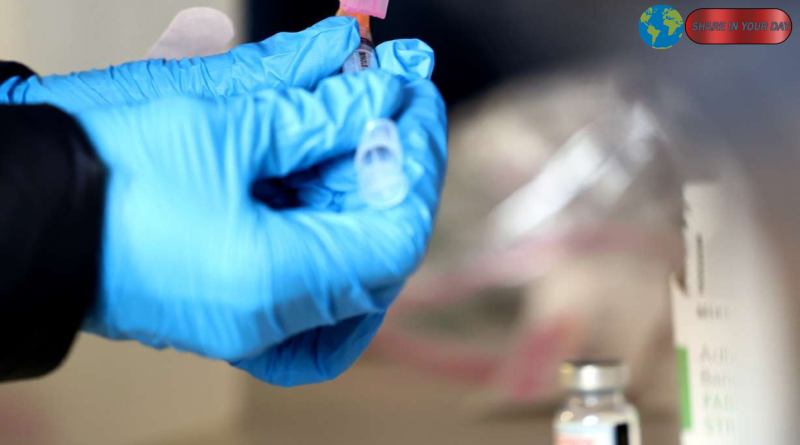
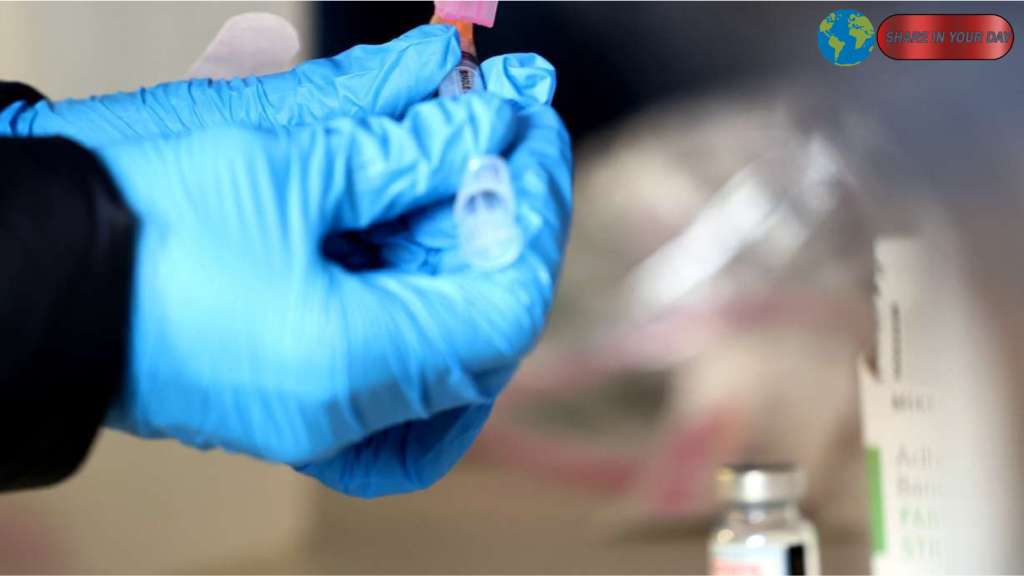
First, public health campaigns have intensified efforts to encourage vaccination. The measles, mumps, and rubella (MMR) vaccine remains the most effective tool for preventing infection, with two doses providing up to 97% protection.
Second, increased awareness has likely led to better detection and isolation of cases. People who suspect they may have measles are being advised to stay home and contact healthcare providers before visiting clinics, reducing the risk of exposure in public spaces.
Third, seasonal and behavioral factors may also play a role. Changes in travel patterns, school schedules, and social interactions can influence how quickly the virus spreads.
However, experts stress that these improvements could be temporary if vaccination rates do not increase.
The Role of Vaccination in the Outbreak
One of the most significant drivers of the outbreak has been low vaccination coverage. A large majority of measles cases in Utah have occurred among individuals who were not vaccinated.
Health data shows that nearly 90% of infections involve unvaccinated people, underscoring the importance of immunization in preventing the disease.
In addition, vaccination rates among school-aged children have fallen below the threshold needed to maintain herd immunity. Public health experts generally recommend a coverage rate of at least 95% to prevent widespread outbreaks.
In Utah, recent estimates suggest vaccination rates are closer to 88–92%, leaving significant gaps in protection.
This gap has allowed the virus to spread more easily, particularly in communities where vaccine hesitancy is more common.
Who Is Most at Risk?
The current outbreak has disproportionately affected certain groups.
Children under 18 account for a majority of cases, with many infections occurring in school-aged populations. This trend is particularly concerning because younger children are more vulnerable to complications from measles.
Other high-risk groups include:
- Infants who are too young to be fully vaccinated
- Pregnant women
- Individuals with weakened immune systems
Measles can lead to serious health complications, including pneumonia, brain inflammation (encephalitis), and, in rare cases, death.
Because the virus is highly contagious, even brief exposure can result in infection—especially in settings like schools, healthcare facilities, and public gatherings.
Ongoing Risks and Exposure Concerns
Despite the decline in new cases, health officials continue to identify exposure sites across Utah. These include healthcare facilities, community events, and other public locations where infected individuals may have come into contact with others.
Wastewater monitoring has also detected the presence of the measles virus in several counties, suggesting ongoing transmission even in areas where confirmed cases may be lower.
This highlights a key challenge in controlling the outbreak: not all infections are immediately detected, and some individuals may spread the virus before symptoms appear.
As a result, the risk of new clusters remains significant.
National Context: A Growing Concern
The situation in Utah is part of a broader resurgence of measles across the United States.
Recent reports indicate that the country is experiencing one of its highest levels of measles cases in decades, driven in part by declining vaccination rates.
Public health experts warn that if current trends continue, the United States could lose its measles elimination status—a milestone achieved in 2000 after years of successful vaccination campaigns.
The Utah outbreak serves as a stark reminder of how quickly progress can be reversed when immunization rates fall.
Why Officials Say “It’s Not Over”
Even though Utah measles cases are decreasing, health authorities are emphasizing that the outbreak is far from finished.
There are several reasons for this caution:
- Ongoing transmission: New cases are still being reported each week
- Widespread exposure: The virus has reached multiple regions
- Low vaccination rates: Large portions of the population remain vulnerable
- Delayed reporting: Some cases may not yet be identified
In addition, measles has a relatively long incubation period, meaning symptoms can appear up to two weeks after exposure. This delay can make it difficult to track and contain the spread.
Because of these factors, a temporary decline in cases does not guarantee a sustained downward trend.
What Residents Should Do
Health officials are urging residents to remain vigilant and take preventive measures to protect themselves and their communities.
Key recommendations include:
- Ensuring vaccinations are up to date, especially for children
- Monitoring for symptoms such as fever, cough, and rash
- Avoiding contact with others if symptoms develop
- Consulting healthcare providers before visiting clinics
Parents are also encouraged to discuss early or additional vaccine doses with medical professionals, particularly for infants who may be at higher risk.
These steps are critical to preventing further spread and ultimately bringing the outbreak under control.
Looking Ahead: A Critical Turning Point
The recent decline in Utah measles cases represents a potential turning point—but not a definitive one.
Public health experts say the coming weeks will be crucial in determining whether the trend continues or reverses. If vaccination rates improve and preventive measures are maintained, the state could see a sustained reduction in cases.
However, if complacency sets in, the virus could quickly regain momentum.
Conclusion: Progress with Caution
The latest data on Utah measles cases offers a glimmer of hope, showing that efforts to control the outbreak may be starting to work. Yet the situation remains delicate, and the risks are far from over.
With hundreds of cases already reported and ongoing transmission across the state, health officials are urging continued vigilance and stronger vaccination efforts.
Ultimately, the trajectory of the outbreak will depend on how communities respond in the weeks ahead. For now, the message is clear: progress has been made—but the fight against measles in Utah is not finished.