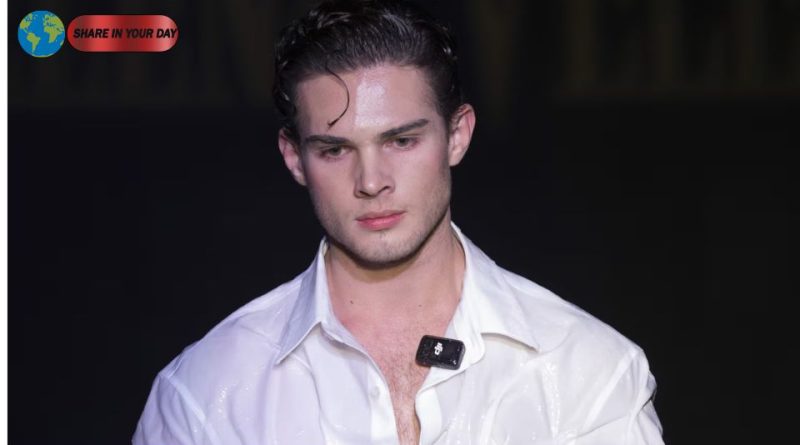
Looksmaxxing Collapse Shocking: Clavicular Case Explained
The term looksmaxxing collapse is rapidly trending after a disturbing series of events involving controversial influencer Clavicular, raising urgent questions about online culture, masculinity, and the psychological toll of extreme self-optimization.
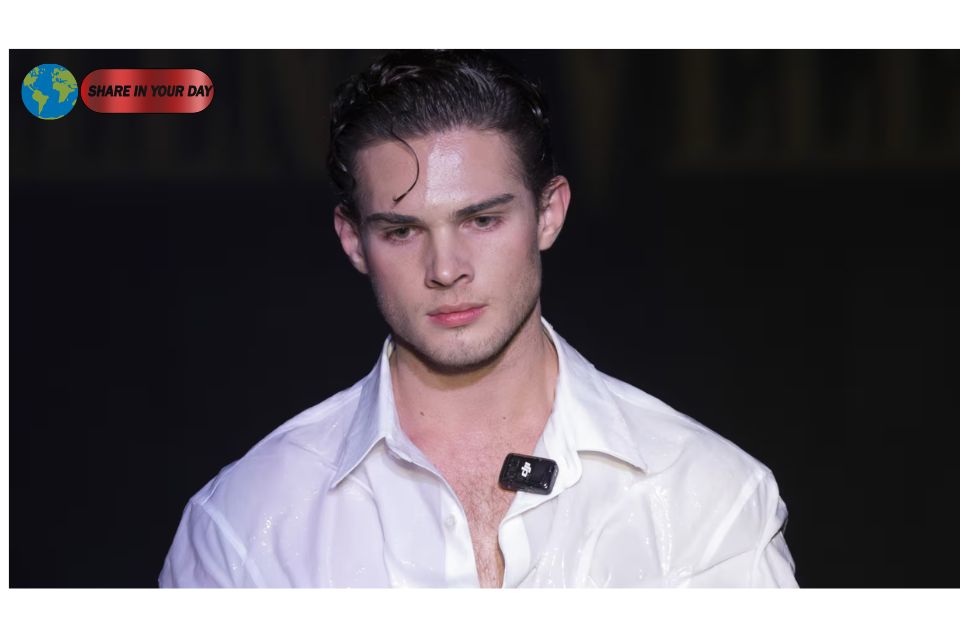
What began as a fringe internet movement has now exploded into mainstream headlines—driven by viral videos, shocking incidents, and growing concern from experts and authorities alike.
What Is the Looksmaxxing Collapse?
The looksmaxxing collapse refers to the unraveling of a dangerous online subculture that promotes extreme physical enhancement—often through risky or harmful methods.
“Looksmaxxing” itself is a trend where individuals, primarily young men, attempt to maximize their physical attractiveness. While some approaches involve harmless self-improvement like fitness or skincare, others have escalated into alarming territory.
These extreme practices include:
- Facial “bone smashing” to alter structure
- Use of steroids or unregulated substances
- Experimental cosmetic procedures
- Severe dieting or drug use
Experts warn that this culture reflects a deeper crisis—one tied to identity, validation, and the pressures of social media.
Who Is Clavicular?
At the center of the looksmaxxing collapse is Clavicular, whose real name is Braden Peters—a 20-year-old influencer who rose to fame through viral content promoting extreme self-transformation.
He quickly became one of the most recognizable figures in the looksmaxxing community, gaining hundreds of thousands of followers across platforms.
However, his content has been widely criticized for encouraging dangerous behavior, including:
- Self-inflicted physical harm
- Drug use linked to weight loss
- Extreme body modification techniques
His rise—and now apparent fall—has become symbolic of the broader collapse of the movement.
The Incident That Sparked Global Attention
The latest wave of concern followed a series of incidents that pushed the looksmaxxing collapse into mainstream news.
Reports indicate that Clavicular was hospitalized after a livestream incident involving erratic behavior, suspected substance use, and physical distress.
The livestream abruptly ended, sparking widespread alarm among viewers and triggering intense media scrutiny.
This moment marked a turning point—transforming what was once niche internet content into a global conversation about safety, influence, and responsibility.
Why Experts Are Alarmed
Psychologists and social scientists say the looksmaxxing collapse highlights a growing mental health crisis among young men.
According to experts, the trend is driven by:
- Unrealistic beauty standards
- Social media validation loops
- Algorithm-driven content amplification
- Identity struggles in digital culture
The movement has also been linked to broader ideologies, including toxic masculinity and online subcultures that prioritize dominance, appearance, and status.
In many cases, participants feel pressured to push boundaries further—leading to increasingly extreme behavior.
The Role of Social Media Platforms
Social media has played a central role in both the rise and collapse of looksmaxxing.
Platforms reward:
- Viral, shocking content
- Extreme transformations
- Controversial personalities
Clavicular’s rapid growth was fueled by this system. However, platforms have also begun taking action.
Recent reports confirm that multiple accounts linked to him were removed for policy violations, including attempts to bypass bans.
This crackdown signals a shift—but critics argue it may be too late.
From Fringe Trend to Mainstream Crisis
The looksmaxxing collapse is not just about one influencer—it reflects a broader cultural shift.
What started in niche online forums has now reached:
- TikTok and Instagram audiences
- Mainstream media coverage
- Academic research discussions
Experts describe it as part of the “attention economy,” where extreme behavior is rewarded with visibility and influence.
As a result, increasingly harmful ideas can spread بسرعة—often without oversight.
The Human Cost of Looksmaxxing
Behind the viral content lies a darker reality.
Reports and investigations have linked the movement to:
- Physical injuries from self-modification
- Substance abuse and dependency
- Psychological distress and body dysmorphia
- Social isolation
In extreme cases, participants risk long-term health consequences in pursuit of an idealized image.
The looksmaxxing collapse has brought these dangers into sharp focus.
Why Young Men Are Drawn to It
Understanding the appeal of looksmaxxing is key to understanding its collapse.
Experts suggest several factors:
- Desire for control in uncertain environments
- Pressure to compete socially and romantically
- Influence of online role models
- Lack of accessible mental health support
The movement often promises transformation and success—but delivers unrealistic expectations.
Warning Signs and Red Flags
As awareness grows, experts are urging parents, educators, and users to recognize warning signs linked to the looksmaxxing collapse:
- Obsession with physical appearance
- Engagement with extreme online communities
- Sudden interest in risky body modifications
- Behavioral changes linked to validation seeking
Early intervention, they say, is crucial.
What Happens Next?
The future of the looksmaxxing movement remains uncertain.
While the looksmaxxing collapse suggests a turning point, similar trends continue to emerge online.
Key questions remain:
- Will platforms enforce stricter moderation?
- Can education counter harmful narratives?
- How will influencers reshape their content?
What is clear is that the conversation is far from over.
Final Thoughts
The looksmaxxing collapse is more than a viral moment—it is a reflection of deeper societal issues.
From algorithm-driven fame to identity struggles in the digital age, the rise and fall of Clavicular exposes the risks of a culture obsessed with perfection.
For now, the message is clear:
Not everything trending online is worth following.