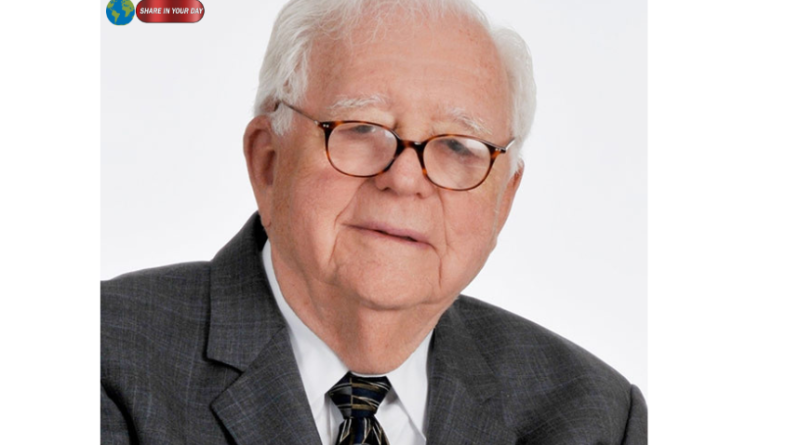
Eugene Braunwald Death: A Giant of Cardiology Remembered
The Eugene Braunwald death has marked the end of an extraordinary era in modern medicine. Dr. Eugene Braunwald, widely recognized as the father of modern cardiology, passed away on April 22, 2026, at the age of 96.
His passing has prompted tributes from leading global institutions, including the American College of Cardiology and American Heart Association, both of which highlighted his transformative influence on cardiovascular medicine.
For more than seven decades, Braunwald shaped how doctors understand, diagnose, and treat heart disease—saving countless lives worldwide.
Early Life: From Refugee to Medical Pioneer
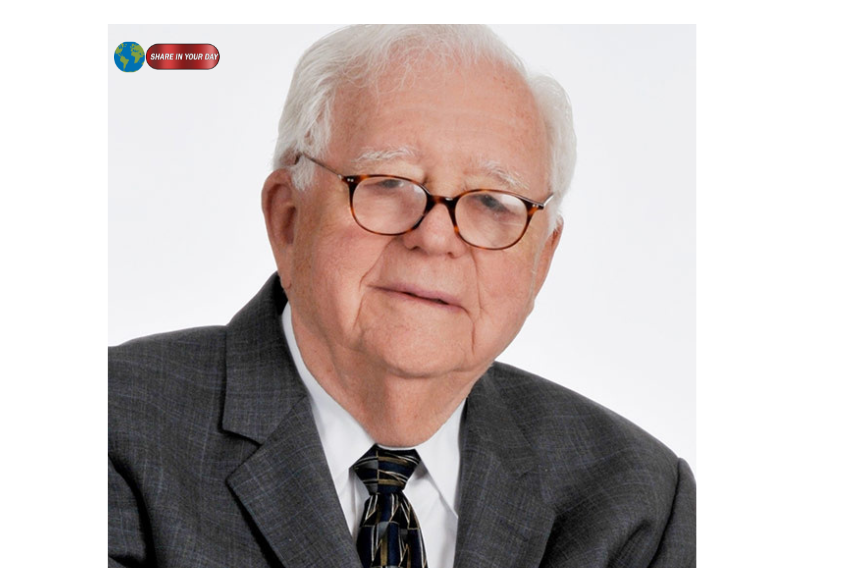
Born in Vienna, Austria, in 1929, Braunwald’s early life was marked by upheaval. As a child, he fled Nazi-occupied Europe with his family and eventually settled in the United States.
This experience profoundly shaped his resilience and work ethic. He later pursued medicine at New York University and completed his training at Johns Hopkins Hospital, one of the most prestigious medical institutions in the world.
From these beginnings, Braunwald would go on to become one of the most influential physicians in history.
Groundbreaking Contributions to Cardiology
The significance of the Eugene Braunwald death is best understood through his monumental contributions to science and medicine.
Defining Heart Disease
In 1964, Braunwald co-authored a landmark study that identified hypertrophic cardiomyopathy (HCM) as a distinct clinical condition.
At a time when medical imaging was limited, this work fundamentally changed how physicians diagnosed and treated heart disorders.
Transforming Heart Attack Treatment
Braunwald also revolutionized the understanding of heart attacks. His research demonstrated that heart attacks are progressive events, meaning early intervention could significantly reduce damage.
This insight laid the foundation for modern emergency cardiac care and continues to guide treatment protocols today.
Founding the TIMI Study Group
In 1984, Braunwald established the Thrombolysis in Myocardial Infarction (TIMI) Study Group, which pioneered large-scale cardiovascular clinical trials.
These studies introduced life-saving therapies and set new standards for evidence-based medicine in cardiology.
A Titan of Medical Education
Beyond research, Braunwald’s influence extended deeply into medical education.
He served as the founding editor of the renowned textbook Braunwald’s Heart Disease, which remains a cornerstone reference for cardiologists worldwide.
Additionally, he was a long-time editor of Harrison’s Principles of Internal Medicine, shaping generations of physicians across multiple specialties.
Over his career, Braunwald authored more than 1,000 peer-reviewed publications, making him one of the most cited cardiologists in history.
Leadership Roles and Institutional Impact
Braunwald held numerous influential positions throughout his career, including:
- Chief of Cardiology at the National Heart, Lung, and Blood Institute
- Founding Chair of Medicine at the University of California, San Diego
- Chair of Medicine at Brigham and Women’s Hospital
- Distinguished Professor at Harvard Medical School
In each role, he built programs that combined cutting-edge research with clinical excellence.
Global Recognition and Honors
The Eugene Braunwald death has drawn attention to the many honors he received throughout his lifetime.
He was awarded the highest distinctions from major organizations, including lifetime achievement awards from the American College of Cardiology.
The European Society of Cardiology described him as “one of the most influential figures in cardiovascular medicine.”
In addition, the American Heart Association established the Eugene Braunwald Academic Mentorship Award, honoring his dedication to teaching future generations.
A Mentor to Generations
While Braunwald’s scientific achievements are extraordinary, many colleagues emphasize his role as a mentor.
He trained and inspired countless cardiologists who now lead institutions around the world. His approach combined rigorous standards with genuine support, fostering innovation and excellence.
As one tribute noted, his influence extended far beyond his own work—through the people he taught and guided.
Community and Industry Reactions
The reaction to the Eugene Braunwald death has been immediate and global.
Leading figures in medicine have described him as:
- “A legend of all legends”
- “A giant of modern medicine”
- “An icon whose legacy will endure for generations”
Valentin Fuster and Roxana Mehran both praised his visionary leadership and enduring contributions.
Meanwhile, institutions across Europe and the United States have issued statements recognizing his unparalleled impact.
Why His Legacy Matters Today
The Eugene Braunwald death is not just the loss of an individual—it represents a pivotal moment for modern medicine.
His work continues to influence:
- Treatment of heart attacks and heart failure
- Clinical trial design and methodology
- Medical education and training
- Global cardiovascular research initiatives
Today, millions of patients benefit from therapies and practices that trace directly back to his discoveries.
The Future of Cardiology Without Braunwald
Although Braunwald is no longer present, his influence remains deeply embedded in the field.
Modern cardiology—its principles, standards, and innovations—has been shaped in large part by his vision.
As new technologies such as AI-driven diagnostics and personalized medicine emerge, they build upon the foundation he helped create.
Internal and External Resources
For more medical breakthroughs and healthcare news:
- Internal: https://yourwebsite.com/health-news
- External: Read Full ACC Tribute
Final Thoughts
The Eugene Braunwald death marks the passing of one of the greatest figures in medical history. From his early days as a refugee to his rise as a global leader in cardiology, his life story is one of resilience, brilliance, and profound impact.
His contributions have saved countless lives, transformed medical science, and inspired generations of healthcare professionals.
While the world mourns his loss, his legacy will continue to guide the future of medicine—ensuring that his work lives on in every heartbeat he helped protect.