US Cancels Pakistan Visit: 5 Key Shocking Reasons
The US cancels Pakistan visit decision has sparked global attention, raising concerns about diplomatic instability in a region already burdened by geopolitical tensions. The abrupt cancellation, linked to ongoing issues involving Iran, signals deeper challenges in international negotiations and conflict resolution efforts.
This development highlights how fragile diplomatic engagements can be, especially when multiple global powers are involved. As the situation unfolds, analysts are closely examining what led to this move and what it could mean for the future of regional peace.
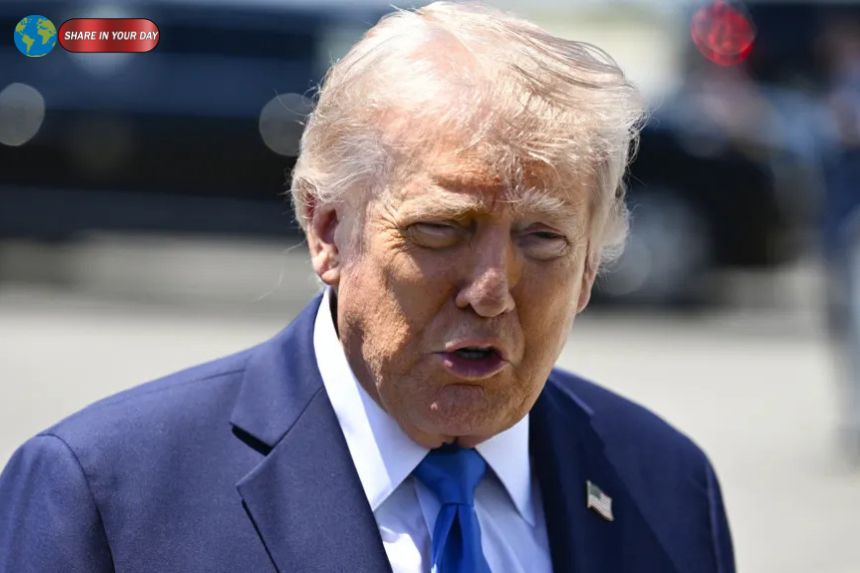
What Happened: A Sudden Diplomatic Shift
The announcement that the US cancels Pakistan visit came after plans were already underway for a high-level diplomatic meeting. The visit was expected to focus on easing tensions involving Iran, with Pakistan acting as a mediator.
However, the situation quickly changed when Iran reportedly withdrew from the planned discussions. Without Iran’s participation, the purpose of the meeting diminished significantly. As a result, the United States decided not to proceed with the visit.
This sudden shift underscores the unpredictable nature of international diplomacy. Even well-planned engagements can collapse when one key player steps away.
1. Iran’s Withdrawal Disrupted Talks
One of the main reasons the US cancels Pakistan visit is Iran’s early exit from the diplomatic process. Iran’s participation was essential to the success of the discussions.
Without Iran at the table, meaningful negotiations became nearly impossible. Diplomatic talks often rely on the presence of all stakeholders, and the absence of one party can derail the entire process.
Moreover, Iran’s withdrawal signals ongoing distrust between nations. This lack of confidence continues to hinder progress toward long-term solutions.
2. Questions Over Negotiation Commitment
Another critical factor behind why the US cancels Pakistan visit involves doubts about the seriousness of negotiations. Iranian officials reportedly expressed skepticism regarding the willingness of the United States to engage in meaningful dialogue.
This skepticism reflects broader tensions between the two countries. While both sides have occasionally shown interest in diplomacy, trust remains a major obstacle.
As a result, even when opportunities for talks arise, they are often fragile and short-lived. This dynamic contributes to repeated breakdowns in communication.
3. Strategic Time and Resource Considerations
The decision that the US cancels Pakistan visit was also influenced by practical considerations. High-level diplomatic trips require significant time, planning, and resources.
If the outcome of such a visit appears uncertain, leaders may choose to redirect their efforts elsewhere. In this case, the absence of Iran reduced the potential value of the meeting.
Therefore, canceling the visit can be seen as a strategic decision rather than merely a reaction. It reflects a calculation about where diplomatic energy is best invested.
4. Pakistan’s Role as Mediator Weakens
Pakistan has often positioned itself as a mediator in regional conflicts. However, the fact that the US cancels Pakistan visit raises questions about the effectiveness of this role.
When key participants withdraw, the mediator’s influence is naturally limited. Pakistan’s ability to facilitate dialogue depends on cooperation from all sides.
This situation may affect how other countries view Pakistan’s diplomatic role in the future. While the country remains important, its impact may be constrained under current conditions.
5. Ceasefire Stability Remains Uncertain
Despite the setback, reports suggest that a ceasefire linked to the broader conflict remains in place. However, the decision that the US cancels Pakistan visit introduces uncertainty about how long this stability will last.
Ceasefires without ongoing dialogue are often fragile. Without continued negotiation, tensions can quickly resurface.
This makes diplomatic engagement even more critical. The absence of talks could increase the risk of renewed conflict.
Broader Implications for Global Diplomacy
The fact that the US cancels Pakistan visit is not just a regional issue. It has wider implications for global diplomacy and international relations.
Firstly, it highlights the importance of trust in negotiations. Without mutual confidence, even well-intentioned efforts can fail.
Secondly, it shows how interconnected global politics are. Decisions made in one region can influence stability elsewhere.
Finally, it emphasizes the need for consistent diplomatic engagement. Sporadic efforts are often insufficient to resolve deep-rooted conflicts.
The Future of US–Pakistan Relations
Although the US cancels Pakistan visit, this does not necessarily indicate a long-term breakdown in relations between the two countries.
The United States and Pakistan have historically maintained a complex but important relationship. Cooperation continues in areas such as security, trade, and regional stability.
However, this घटना may create short-term challenges. Both sides will need to work carefully to maintain constructive engagement moving forward.
What Could Happen Next?
Looking ahead, several scenarios could emerge following the decision that the US cancels Pakistan visit.
- Diplomatic efforts may resume at a later time if conditions improve
- Alternative mediators could step in to facilitate discussions
- Tensions could escalate if communication remains limited
Each of these outcomes depends on how the involved countries choose to proceed. Flexibility and willingness to engage will be key factors.
Why This Matters Now
The timing of the US cancels Pakistan visit decision is particularly significant. The region is already facing multiple challenges, including political instability and security concerns.
In such an environment, diplomatic setbacks can have amplified consequences. Even small disruptions may lead to larger issues if not addressed promptly.
Therefore, this development is being closely monitored by governments and analysts worldwide.
Conclusion: A Fragile Diplomatic Landscape
The decision that the US cancels Pakistan visit serves as a reminder of how delicate international diplomacy can be. With multiple stakeholders involved, even minor shifts can have major consequences.
While the immediate impact is the cancellation of a single visit, the broader implications are far-reaching. Trust, cooperation, and consistent engagement remain essential for progress.
As global tensions continue to evolve, the need for effective diplomacy has never been greater. Whether future talks will succeed depends on the willingness of all parties to return to the negotiating table.
Internal Link
Read more global diplomacy updates at: https://yourwebsite.com/global-politics
External Link
Source: https://www.bbc.com/news/articles/c4g6nyvl29po
Image ALT Text
US cancels Pakistan visit diplomatic tensions Iran talks