Mali Attack Shocking: 5 Key Facts on JNIM Alliance
The latest Mali Attack has sent shockwaves across West Africa, marking one of the most coordinated and dangerous assaults in the country’s recent history. Armed groups, including Tuareg separatists and Islamist militants, launched a sweeping offensive that targeted major cities, military bases, and key government figures.
According to reporting by the Associated Press, the attacks highlight a new and alarming alliance between separatist rebels and jihadist groups—raising serious concerns about the future stability of Mali and the wider Sahel region.
1. Coordinated Nationwide Assault
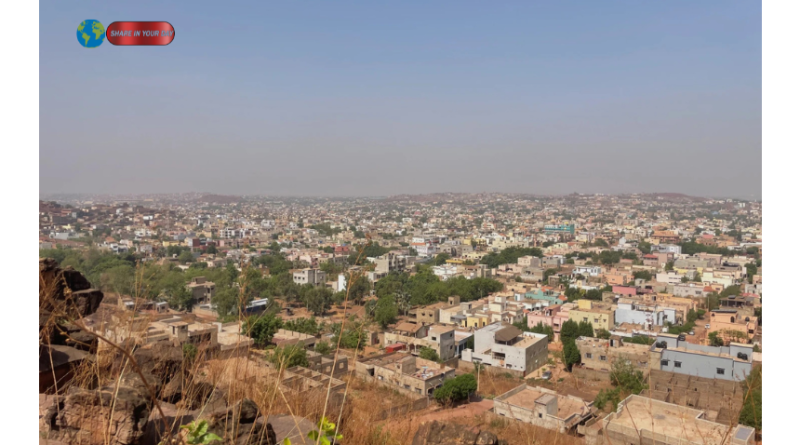
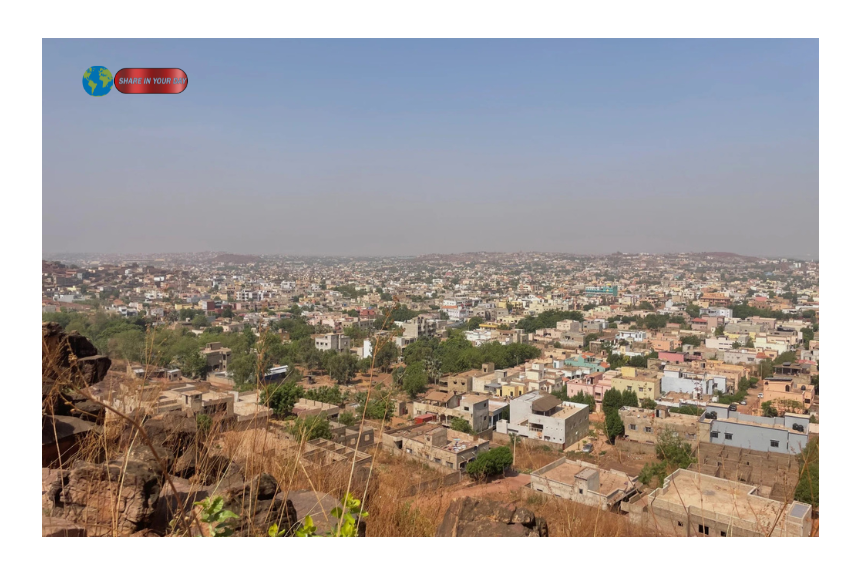
The Mali Attack unfolded on April 25, 2026, with near-simultaneous strikes across multiple locations, including the capital Bamako and northern regions such as Kidal and Gao.
Gunfire and explosions were reported in several cities as militants targeted military installations, airports, and strategic government sites. This level of coordination makes it one of the largest attacks Mali has faced in years.
Meanwhile, authorities confirmed that at least 16 people were wounded, although a full casualty count has not yet been released.
2. Death of a Top Military Leader
One of the most shocking outcomes of the Mali Attack was the death of Defense Minister Gen. Sadio Camara.
Officials confirmed that his residence was directly targeted by attackers, including a suicide car bomber. Despite engaging the assailants in combat, Camara was fatally wounded and later died in hospital.
His death represents a major blow to Mali’s military leadership and underscores the scale and precision of the assault.
3. Unprecedented Alliance Between Rivals
A key development in this Mali Attack is the confirmed collaboration between Tuareg separatists and the al-Qaida-linked group Jama’at Nusrat al-Islam wal-Muslimin.
Historically, these groups have operated separately or even in conflict. However, this attack marks a rare and strategic partnership.
A spokesperson for the separatist Azawad Liberation Front stated that the operation was carried out “in partnership with JNIM,” signaling a shift in alliances that could reshape the conflict.
Experts warn that such cooperation significantly increases the operational capabilities of both groups.
4. Strategic City of Kidal in Question
The northern city of Kidal has emerged as a key flashpoint in the Mali Attack.
Separatist forces claim they have taken control of the city, declaring it “free” after Malian troops and allied Russian forces reportedly withdrew.
Kidal holds deep symbolic and strategic importance. It has long been a stronghold for Tuareg rebels and was previously recaptured by government forces in 2023.
However, the Malian army has not confirmed losing control, stating only that operations are ongoing.
5. A Growing Regional Threat
The Mali Attack is not an isolated incident—it reflects a broader security crisis across the Sahel.
Countries such as Niger and Burkina Faso are also facing escalating violence from extremist groups. Analysts say the situation has worsened despite increased military cooperation with foreign partners, including Russia.
Regional organizations have condemned the attacks and called for coordinated action to combat what they describe as a growing “scourge” of terrorism.
Why This Mali Attack Matters
The significance of this Mali Attack goes far beyond immediate casualties or territorial control.
Rising Complexity of Conflict
The alliance between separatists and jihadists introduces a new layer of complexity, making the conflict harder to resolve.
Weakening State Authority
The ability of militants to strike multiple cities simultaneously raises serious concerns about the government’s control.
International Implications
The attack also challenges Mali’s security partnerships, particularly with Russian forces that have been supporting the military government.
Challenges Ahead for Mali
Despite government claims that the situation is under control, major challenges remain:
- Security gaps in urban and northern regions
- Unclear territorial control in key cities
- Potential for further attacks
- Limited international support compared to previous years
The evolving alliance between armed groups could lead to more frequent and more sophisticated attacks in the near future.
Historical Context of the Conflict
Mali has been battling insurgencies for over a decade.
The crisis dates back to 2012, when Tuareg rebels and Islamist militants briefly seized large parts of northern Mali. Since then, the country has experienced repeated cycles of violence, military coups, and shifting alliances.
The latest Mali Attack appears to echo that earlier period—when alliances between separatists and jihadists first destabilized the region.
What Happens Next?
The immediate future remains uncertain.
While the Malian government has declared that the attacks have ended, questions remain about:
- Who controls key territories
- Whether militants will launch follow-up attacks
- How the government will respond militarily and politically
International observers are closely monitoring the situation, warning that instability in Mali could have ripple effects across West Africa.
Conclusion
The Mali Attack of April 2026 marks a turning point in the country’s ongoing conflict.
With the death of a top military leader, the emergence of a powerful new alliance, and ongoing uncertainty over territorial control, Mali faces one of its most serious security challenges in years.
As the situation develops, the world will be watching closely to see whether Mali can regain control—or whether the crisis will deepen further.