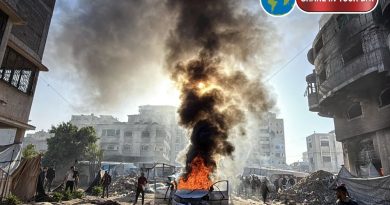
Haiti Gang Attack Leaves Dozens Dead and Thousands Displaced
The Haiti gang attack that left at least 16 people dead has once again exposed the deepening crisis gripping the Caribbean nation. The violence, which occurred in a rural region of Haiti’s Artibonite department, forced thousands of residents to flee their homes, highlighting the growing power of armed groups and the fragile state of national security.
According to reporting by BBC News, the attack was carried out by members of a notorious gang operating in the area. The incident underscores how gang violence has expanded beyond urban centers into rural communities, intensifying an already dire humanitarian situation.

What Happened in the Haiti Gang Attack
The Haiti gang attack unfolded in the rural locality of Jean-Denis in the Artibonite region. Armed individuals stormed the community, opening fire and setting homes ablaze.
At least 16 people were killed during the assault. However, local officials warn that the death toll could rise as more information emerges. Thousands of residents fled in panic, leaving behind their homes and belongings in search of safety.
The scale and brutality of the Haiti gang attack reflect a disturbing trend. Violence is no longer confined to major cities like Port-au-Prince but is now spreading into previously less-affected areas.
Reports indicate that the attackers were heavily armed and operated with a level of coordination that suggests increasing organization among gangs.
Growing Power of Gangs in Haiti
The Haiti gang attack is part of a broader pattern of escalating violence across the country. Armed groups have steadily expanded their influence, controlling key roads, towns, and economic zones.
Experts say gangs are now among the most powerful actors in Haiti. They often operate with impunity, exploiting weak law enforcement and political instability.
Several factors contribute to this rise:
- Limited government control in rural and urban areas
- Weak police capacity and resources
- Political instability and lack of central authority
As a result, communities are increasingly vulnerable to attacks like the recent Haiti gang attack.
Thousands Displaced by the Haiti Gang Attack
One of the most devastating consequences of the Haiti gang attack is the mass displacement of civilians.
Thousands of residents have been forced to flee their homes. Many are now living in temporary shelters or with relatives, facing shortages of food, water, and medical care.
Humanitarian organizations warn that displacement is becoming a long-term crisis in Haiti. Each new attack adds to the growing number of internally displaced people.
The situation is particularly concerning in rural areas, where access to aid is limited. Unlike urban centers, these regions often lack infrastructure and support systems.
Humanitarian Crisis Deepens
The Haiti gang attack has further strained an already critical humanitarian situation.
International agencies report that millions of Haitians are in need of urgent assistance. Food insecurity, lack of healthcare, and unsafe living conditions are widespread.
The attack in Artibonite has worsened these conditions. Displaced families now face additional hardships, including:
- Limited access to clean water
- Increased risk of disease
- Lack of shelter and protection
Humanitarian groups are calling for immediate support to address the needs of those affected by the Haiti gang attack.
Why Violence Is Spreading Beyond Cities
Traditionally, gang violence in Haiti has been concentrated in urban areas, particularly the capital. However, the Haiti gang attack in Artibonite shows a shift toward rural expansion.
Analysts suggest several reasons for this trend:
- Gangs seeking new territories and resources
- Reduced resistance in less-policed areas
- Strategic control of agricultural regions
This expansion poses a new challenge for authorities. Rural communities are often less prepared to respond to organized violence.
Government Response and Challenges
The Haitian government faces significant challenges in responding to the Haiti gang attack and the broader security crisis.
Law enforcement agencies are under-resourced and often outmatched by heavily armed gangs. Efforts to restore order have been slow and limited in scope.
Authorities have pledged to increase security measures. However, progress remains uncertain due to:
- Limited funding
- Political instability
- Lack of coordination
The Haiti gang attack highlights the urgent need for stronger and more effective responses.
International Involvement and Calls for Action
The international community has expressed concern over the Haiti gang attack and the country’s worsening situation.
There have been calls for increased support, including:
- Deployment of international security forces
- Expanded humanitarian aid
- Strengthening local institutions
The United Nations and other organizations have emphasized the importance of coordinated efforts to address both immediate and long-term challenges.
However, implementing these solutions remains complex. Political sensitivities and logistical difficulties continue to slow progress.
Impact on Everyday Life in Haiti
For ordinary Haitians, the Haiti gang attack is not just a headline—it is part of daily reality.
Fear and uncertainty dominate many communities. People live with the constant threat of violence, making it difficult to maintain normal life.
Economic activities are also affected. Farmers, traders, and small business owners face disruptions, further deepening poverty.
Education has been impacted as well. Schools in affected areas often close due to security concerns, limiting opportunities for children.
A Cycle of Violence and Instability
The Haiti gang attack is a symptom of a larger cycle of violence and instability.
Without effective intervention, this cycle is likely to continue. Each attack fuels further displacement, economic decline, and social disruption.
Breaking this cycle requires:
- Strengthening security forces
- Addressing root causes of violence
- Providing economic opportunities
Experts stress that long-term solutions are essential to prevent future attacks.
Why the Haiti Gang Attack Matters Globally
While the Haiti gang attack is a national tragedy, its implications extend beyond the country.
Regional stability could be affected if the crisis worsens. Migration pressures may increase as people flee violence.
The situation also highlights broader issues, including:
- The impact of weak governance
- The rise of organized crime
- The importance of international cooperation
Addressing these challenges is crucial not only for Haiti but for global stability.
Conclusion: Urgent Need for Action
The Haiti gang attack that left at least 16 people dead is a stark reminder of the country’s deepening crisis.
The incident underscores the urgent need for action at both national and international levels. Without meaningful intervention, violence is likely to continue spreading, putting more lives at risk.
For now, thousands of displaced families face an uncertain future. Their situation reflects the human cost of a crisis that shows no signs of slowing down.
The world is watching—but for Haiti, what matters most is what happens next.