Mali Defense Minister Killed: 5 Shocking Facts Revealed
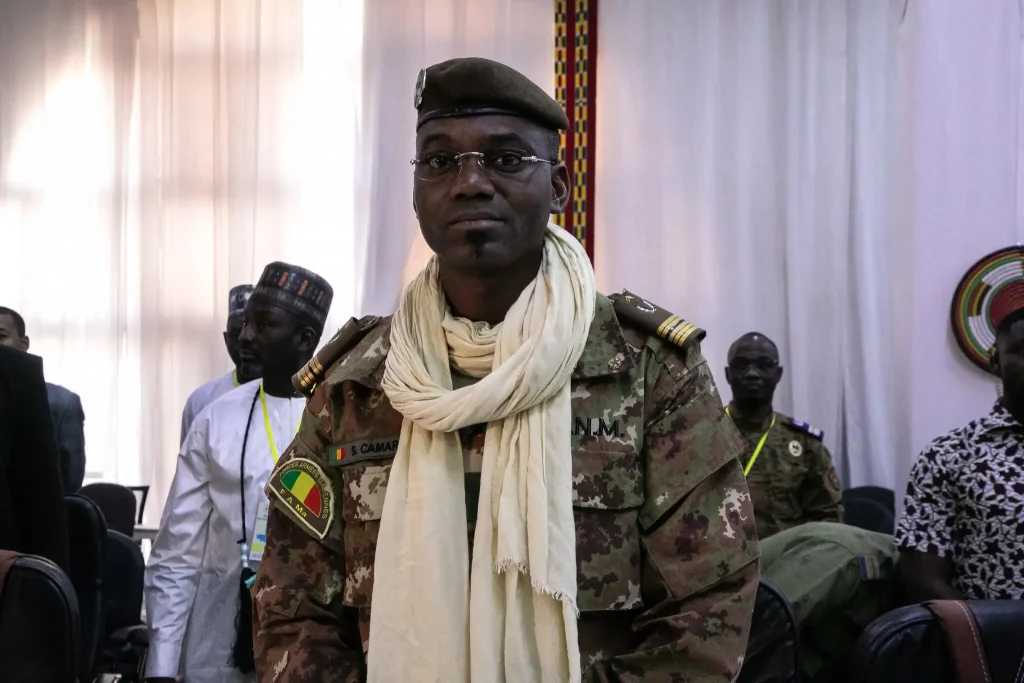
The shocking news that the Mali Defense Minister was killed has sent ripples across Africa and the global security community. The killing of General Sadio Camara marks a major escalation in Mali’s ongoing conflict with jihadist and separatist groups, raising urgent questions about the stability of the country and the wider Sahel region.
The attack was not an isolated incident. Instead, it was part of a coordinated wave of violence that targeted multiple strategic locations, including military bases and key urban centers. As details continue to emerge, analysts warn that the implications could reshape the region’s security landscape.The Mali Defense Minister killed incident occurred during a large-scale assault involving jihadist fighters and rebel forces. According to multiple reports, attackers targeted General Camara’s residence with a powerful explosion, followed by intense fighting.
The assault was part of a broader campaign that saw insurgents seize towns and military bases across the country. Mali has struggled with insurgency for years, but the scale and coordination of these attacks mark a dangerous new phase.
Authorities confirmed that the minister died during the attack, making him one of the highest-ranking officials killed in Mali’s recent history.
Who Was Sadio Camara?
General Sadio Camara was not just a military leader—he was a central figure in Mali’s ruling junta.
He played a key role in the country’s political transformation following coups in 2020 and 2021. Since then, he had been instrumental in shaping Mali’s defense strategy.
Camara was widely seen as one of the most powerful figures in the government. Some analysts even considered him a potential future leader of the country. His sudden death, therefore, represents a significant loss for the ruling administration.
How the Attack Happened
The details surrounding how the Mali Defense Minister was killed are both alarming and complex.
Reports indicate that a vehicle-borne explosive device (car bomb) detonated at Camara’s residence in Kati, near the capital Bamako. The explosion caused massive destruction and triggered a wider firefight.
The attack was part of a coordinated operation targeting several regions, including:
- Kati (military hub near Bamako)
- Gao
- Mopti
- Sévaré
This level of coordination suggests significant planning and resources, highlighting the growing strength of insurgent groups.
Who Is Behind the Attack?
Authorities and analysts point to a coalition of armed groups behind the assault.
The main actors include:
- Jama’at Nusrat al-Islam wal-Muslimin (JNIM), an al-Qaeda-linked group
- The Azawad Liberation Front (FLA), a Tuareg rebel movement
These groups reportedly worked together in an unprecedented alliance to carry out the attacks.
This collaboration is particularly concerning. Historically, such groups have operated independently or even competed with one another. Their cooperation signals a shift that could increase the scale and effectiveness of future attacks.
Why This Attack Matters
The fact that the Mali Defense Minister was killed is significant for several reasons.
1. A Blow to Military Leadership
Camara was a key architect of Mali’s defense strategy. His death creates a leadership vacuum at a critical time.
2. Increased Instability
The attack highlights the vulnerability of even the most secure locations, including military strongholds.
3. Regional Security Risks
Mali is part of the broader Sahel region, which has been a hotspot for extremist activity. Instability here can easily spill over into neighboring countries.
A Country Already Under Pressure
Mali has faced years of conflict involving jihadist groups linked to both al-Qaeda and the Islamic State.
Despite efforts by the military government to stabilize the country, violence has continued to escalate. The situation worsened after Mali shifted alliances, reducing cooperation with Western partners and strengthening ties with Russian security forces.
However, critics argue that these changes have not improved security. Instead, attacks have become more frequent and more sophisticated.
International Reaction
The killing of the defense minister has drawn international concern.
Organizations such as the United Nations have called for stronger cooperation to combat insurgent groups. Meanwhile, regional bodies have urged unity among Sahel nations.
The attack also raises questions about the effectiveness of current counterterrorism strategies in the region.
What Happens Next?
The aftermath of the Mali Defense Minister killed incident remains uncertain.
Short-Term Impact
- Increased military operations
- Heightened security across key cities
- Possible leadership reshuffle
Long-Term Implications
- Potential escalation of conflict
- Strengthening of insurgent alliances
- Greater international involvement
The government has already announced national mourning, signaling the gravity of the situation.
Expert Perspective: A Turning Point?
Security analysts believe this attack could mark a turning point in Mali’s conflict.
The scale, coordination, and high-profile target suggest that insurgent groups are becoming more organized and capable.
If left unchecked, this trend could destabilize not only Mali but the entire Sahel region.
Conclusion
The news that the Mali Defense Minister was killed underscores the fragile security situation in one of Africa’s most volatile regions.
General Sadio Camara’s death is more than a tragic loss—it is a stark reminder of the challenges facing Mali’s government and its people.
As the country mourns, the world watches closely. What happens next could shape the future of Mali and the broader fight against extremism in the Sahel.