Trump Wind Farm Policy: 7 Shocking Moves Reshaping U.S. Climate Strategy
The Trump wind farm policy is rapidly transforming the landscape of renewable energy in the United States, triggering intense political, economic, and environmental debate. In a series of controversial decisions throughout 2025 and 2026, the administration has halted major offshore wind projects, paid companies to abandon clean energy investments, and redirected billions toward fossil fuels.
These moves represent one of the most dramatic reversals of climate policy in modern U.S. history.
A Sudden Shift Away From Wind Energy
Since returning to office, President Donald Trump has taken an aggressive stance against wind energy. His administration has not only paused new offshore wind leasing but has also actively dismantled existing projects.
A key turning point came with a sweeping directive to review and potentially terminate federal wind energy leases.
This directive introduced widespread uncertainty across the renewable energy sector, particularly for offshore wind developments that require long-term planning and heavy investment.
1. Paying Companies to Cancel Wind Projects
One of the most controversial aspects of the Trump wind farm policy is the decision to pay companies to walk away from wind projects.The administration has agreed to spend nearly $900 million to terminate offshore wind leases held by major developers.
In exchange, companies such as Bluepoint Wind and Golden State Wind have agreed to abandon their renewable projects and redirect investments into fossil fuel infrastructure.
Critics argue that this effectively uses taxpayer money to suppress clean energy development while boosting oil and gas production.
2. Halting Future Offshore Wind Development
Beyond canceling existing projects, the administration has also taken steps to prevent future wind energy expansion.
Federal agencies have rescinded designated wind energy areas and suspended permitting processes.
This effectively blocks new offshore wind farms from being developed, at least in the near term.
Such actions mark a stark departure from previous policies aimed at scaling up renewable energy to combat climate change.
3. Legal Battles and Court Pushback
The Trump wind farm policy has not gone unchallenged.
In April 2026, a federal judge blocked key elements of the administration’s efforts to restrict wind and solar projects.
The ruling found that certain regulatory barriers lacked justification and violated federal law. Environmental groups and clean energy advocates hailed the decision as a major victory.
However, legal uncertainty remains, as the administration continues to pursue alternative strategies to limit renewable energy growth.
4. Delays and Bureaucratic Roadblocks
Even where projects have not been outright canceled, they face significant delays.
Dozens of wind energy developments have been stalled due to prolonged federal reviews, including those involving the Department of Defense.
Industry leaders argue that these delays function as a de facto blockade on renewable energy expansion.
As a result, billions of dollars in investment remain tied up in projects that may never be completed.
5. Redirecting Investment to Fossil Fuels
A central pillar of the Trump wind farm policy is the redirection of resources toward fossil fuel development.
Companies exiting wind projects are often encouraged—or required—to invest in oil, gas, or liquefied natural gas (LNG) infrastructure instead.
This shift aligns with the administration’s broader energy strategy, which prioritizes domestic fossil fuel production over renewable alternatives.
Supporters argue that this approach enhances energy security and reduces reliance on subsidies. Critics, however, warn that it undermines long-term sustainability goals.
6. Existing Wind Projects Still Moving Forward
Despite federal opposition, some wind projects continue to advance.
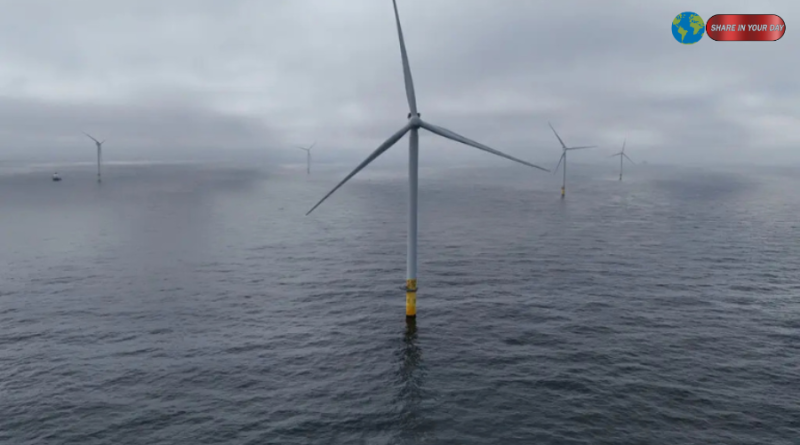
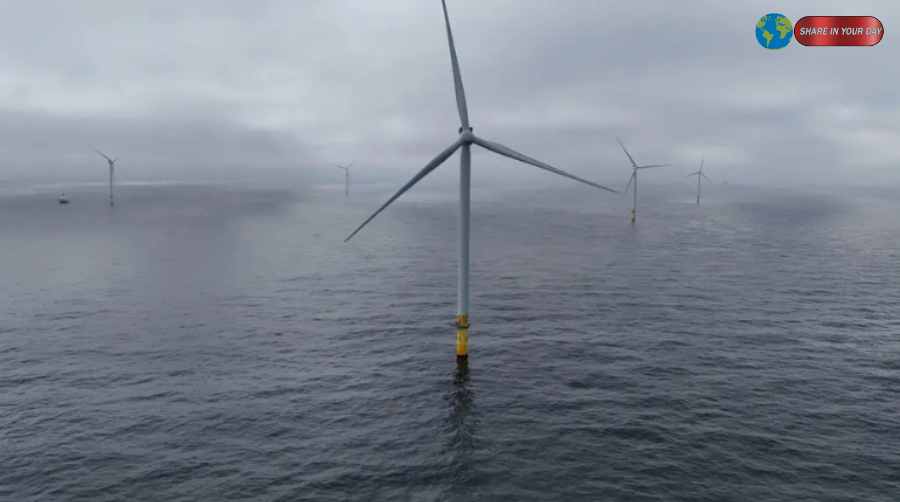
Along the East Coast, several offshore wind farms are nearing completion or already delivering power to the grid.
These projects, initiated under previous administrations, demonstrate the potential of wind energy to supply electricity to hundreds of thousands of homes.
However, their future expansion remains uncertain under current policies.
7. A Longstanding Opposition to Wind Power
The Trump wind farm policy is not a sudden development—it reflects a long history of opposition to wind energy.
President Trump has frequently criticized wind turbines, describing them as expensive and visually unappealing.
During his second administration, this stance has translated into concrete policy actions aimed at limiting the growth of the wind industry.
Economic Impact on the Energy Sector
The implications of the Trump wind farm policy extend far beyond environmental concerns.
The renewable energy sector has seen increased volatility, with companies reconsidering investments in U.S. projects. Some international firms have already recorded financial losses or withdrawn entirely.
Meanwhile, the fossil fuel industry stands to benefit from renewed government support and increased investment.
This shift could reshape the U.S. energy market for years to come.
Environmental Concerns and Climate Goals
Environmental experts warn that the policy shift could have serious consequences for climate change mitigation.
Wind energy is a key component of strategies to reduce greenhouse gas emissions. By slowing its development, the United States may struggle to meet global climate targets.
In fact, recent analyses suggest that limiting global warming to 1.5°C is already becoming increasingly difficult.
Reducing investment in renewable energy could further complicate these efforts.
Political Divide Over Energy Policy
The Trump wind farm policy has deepened political divisions in the United States.
Supporters argue that the administration is prioritizing economic growth and energy independence. They contend that wind projects rely heavily on subsidies and may not be cost-effective.
Opponents, including many lawmakers and environmental groups, view the policy as a step backward that sacrifices long-term sustainability for short-term gains.
This debate is likely to intensify as the 2026 election cycle approaches.
What Comes Next?
The future of U.S. wind energy remains uncertain.
Several factors will shape the outcome:
- Ongoing court challenges
- State-level renewable energy initiatives
- Market demand for clean energy
- Technological advancements in energy production
While federal policy plays a significant role, states and private companies may continue to push forward with renewable projects.
Conclusion
The Trump wind farm policy represents a major turning point in U.S. energy strategy.
By halting wind projects, redirecting investment to fossil fuels, and engaging in legal battles over renewable energy, the administration has fundamentally altered the trajectory of the clean energy transition.
Whether this shift proves to be a temporary detour or a long-term change will depend on political, economic, and legal developments in the months ahead.
One thing is certain: the debate over America’s energy future is far from over.The administration has agreed to spend nearly $900 million to terminate offshore wind leases held by major developers.
In exchange, companies such as Bluepoint Wind and Golden State Wind have agreed to abandon their renewable projects and redirect investments into fossil fuel infrastructure.
Critics argue that this effectively uses taxpayer money to suppress clean energy development while boosting oil and gas production.
2. Halting Future Offshore Wind Development
Beyond canceling existing projects, the administration has also taken steps to prevent future wind energy expansion.
Federal agencies have rescinded designated wind energy areas and suspended permitting processes.
This effectively blocks new offshore wind farms from being developed, at least in the near term.
Such actions mark a stark departure from previous policies aimed at scaling up renewable energy to combat climate change.
3. Legal Battles and Court Pushback
The Trump wind farm policy has not gone unchallenged.
In April 2026, a federal judge blocked key elements of the administration’s efforts to restrict wind and solar projects.
The ruling found that certain regulatory barriers lacked justification and violated federal law. Environmental groups and clean energy advocates hailed the decision as a major victory.
However, legal uncertainty remains, as the administration continues to pursue alternative strategies to limit renewable energy growth.
4. Delays and Bureaucratic Roadblocks
Even where projects have not been outright canceled, they face significant delays.
Dozens of wind energy developments have been stalled due to prolonged federal reviews, including those involving the Department of Defense.
Industry leaders argue that these delays function as a de facto blockade on renewable energy expansion.
As a result, billions of dollars in investment remain tied up in projects that may never be completed.
5. Redirecting Investment to Fossil Fuels
A central pillar of the Trump wind farm policy is the redirection of resources toward fossil fuel development.
Companies exiting wind projects are often encouraged—or required—to invest in oil, gas, or liquefied natural gas (LNG) infrastructure instead.
This shift aligns with the administration’s broader energy strategy, which prioritizes domestic fossil fuel production over renewable alternatives.
Supporters argue that this approach enhances energy security and reduces reliance on subsidies. Critics, however, warn that it undermines long-term sustainability goals.
6. Existing Wind Projects Still Moving Forward
Despite federal opposition, some wind projects continue to advance.
Along the East Coast, several offshore wind farms are nearing completion or already delivering power to the grid.
These projects, initiated under previous administrations, demonstrate the potential of wind energy to supply electricity to hundreds of thousands of homes.
However, their future expansion remains uncertain under current policies.
7. A Longstanding Opposition to Wind Power
The Trump wind farm policy is not a sudden development—it reflects a long history of opposition to wind energy.
President Trump has frequently criticized wind turbines, describing them as expensive and visually unappealing.
During his second administration, this stance has translated into concrete policy actions aimed at limiting the growth of the wind industry.
Economic Impact on the Energy Sector
The implications of the Trump wind farm policy extend far beyond environmental concerns.
The renewable energy sector has seen increased volatility, with companies reconsidering investments in U.S. projects. Some international firms have already recorded financial losses or withdrawn entirely.
Meanwhile, the fossil fuel industry stands to benefit from renewed government support and increased investment.
This shift could reshape the U.S. energy market for years to come.
Environmental Concerns and Climate Goals
Environmental experts warn that the policy shift could have serious consequences for climate change mitigation.
Wind energy is a key component of strategies to reduce greenhouse gas emissions. By slowing its development, the United States may struggle to meet global climate targets.
In fact, recent analyses suggest that limiting global warming to 1.5°C is already becoming increasingly difficult.
Reducing investment in renewable energy could further complicate these efforts.
Political Divide Over Energy Policy
The Trump wind farm policy has deepened political divisions in the United States.
Supporters argue that the administration is prioritizing economic growth and energy independence. They contend that wind projects rely heavily on subsidies and may not be cost-effective.
Opponents, including many lawmakers and environmental groups, view the policy as a step backward that sacrifices long-term sustainability for short-term gains.
This debate is likely to intensify as the 2026 election cycle approaches.
What Comes Next?
The future of U.S. wind energy remains uncertain.
Several factors will shape the outcome:
- Ongoing court challenges
- State-level renewable energy initiatives
- Market demand for clean energy
- Technological advancements in energy production
While federal policy plays a significant role, states and private companies may continue to push forward with renewable projects.
Conclusion
The Trump wind farm policy represents a major turning point in U.S. energy strategy.
By halting wind projects, redirecting investment to fossil fuels, and engaging in legal battles over renewable energy, the administration has fundamentally altered the trajectory of the clean energy transition.
Whether this shift proves to be a temporary detour or a long-term change will depend on political, economic, and legal developments in the months ahead.
One thing is certain: the debate over America’s energy future is far from over.