Iran Middle East Crisis Escalates as Tensions Grip Global Stability
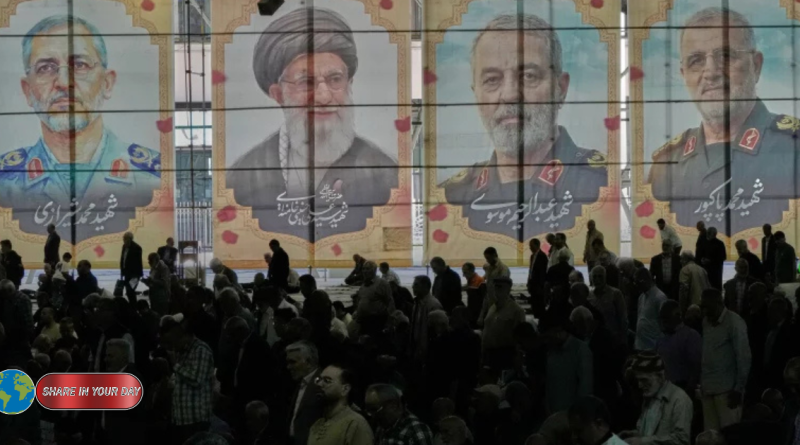
The Iran Middle East crisis has entered a dangerous new phase, with diplomatic efforts stalling and military tensions threatening to spiral further. As global leaders scramble to contain the situation, the strategic Strait of Hormuz has become the focal point of a geopolitical standoff with far-reaching consequences.
According to recent reporting from NPR, negotiations between Iran and Western powers have reached a deadlock, raising fears of prolonged instability across the region.
Peace Talks Collapse Amid Deep Disagreements
Efforts to resolve the Iran Middle East crisis through diplomacy have faltered. Officials from the United States have confirmed that discussions with Iranian representatives are currently at a standstill.
The primary issue revolves around Iran’s nuclear ambitions and its role in regional security. Meanwhile, Iran insists on maintaining sovereignty over its strategic assets, including access to critical waterways.
This breakdown in communication has heightened concerns among global powers, many of whom fear that the absence of dialogue could lead to further escalation.At the heart of the Iran Middle East crisis lies the Strait of Hormuz, one of the most critical energy corridors in the world.
Nearly one-fifth of global oil supply passes through this narrow channel. As a result, even minor disruptions can trigger significant economic consequences worldwide.
Iran has signaled its intent to assert greater control over the strait, while the United States has responded by increasing naval presence in the region. This has effectively turned the waterway into a geopolitical flashpoint.
The situation is further complicated by reports of shipping slowdowns and increased inspections, which have already begun to affect global oil markets.
Military Tensions Continue Despite Fragile Ceasefire
Although a temporary ceasefire was established earlier this month, the Iran Middle East crisis remains volatile.
Military forces on both sides continue to operate in close proximity, raising the risk of accidental confrontation. Reports indicate that U.S. naval units have intercepted vessels linked to Iran, while Iranian forces maintain a defensive posture along their coastline.
The ceasefire has prevented large-scale conflict for now. However, without a broader agreement, it remains fragile and subject to sudden collapse.
Global Economic Impact Intensifies
The Iran Middle East crisis is not confined to the region—it is already affecting economies around the world.
Energy markets have reacted sharply to uncertainty in the Strait of Hormuz. Oil prices have shown increased volatility, with traders closely monitoring developments.
Countries heavily dependent on energy imports are particularly vulnerable. In Europe and Asia, policymakers are exploring contingency plans to mitigate potential shortages.
Meanwhile, global supply chains are under pressure. Shipping delays and higher transportation costs are beginning to ripple through multiple industries.
International Reactions Highlight Growing Divide
The global response to the Iran Middle East crisis has been far from unified.
Western allies largely support efforts to limit Iran’s influence over key shipping routes. However, some nations have criticized the approach, arguing that it risks escalating tensions rather than resolving them.
Countries such as Germany have called for renewed diplomatic engagement, emphasizing the importance of dialogue. Meanwhile, other regional actors have urged Iran to ensure the free flow of maritime traffic.
This divergence of views underscores the complexity of the crisis and the challenges of achieving a coordinated international response.
Regional Conflicts Add Fuel to the Fire
The Iran Middle East crisis is further complicated by overlapping conflicts across the region.
In Lebanon, tensions between Israeli forces and Hezbollah have intensified. Cross-border strikes and drone activity have raised fears of a broader confrontation.
These developments highlight the interconnected nature of Middle Eastern geopolitics. Events in one area can quickly influence dynamics elsewhere, making the situation increasingly difficult to contain.
The Role of Nuclear Negotiations
A key factor in the Iran Middle East crisis is the ongoing dispute over Iran’s nuclear program.
Western nations have long sought to limit Iran’s nuclear capabilities, citing concerns over potential weaponization. Iran, however, maintains that its program is intended for peaceful purposes.
The collapse of recent negotiations has deepened mistrust on both sides. Without a framework for cooperation, the risk of escalation remains high.
Experts warn that resolving the nuclear issue will be essential for any long-term solution to the crisis.
Why the Iran Middle East Crisis Matters Globally
The significance of the Iran Middle East crisis extends far beyond regional politics.
First, it directly impacts global energy security. Disruptions in the Strait of Hormuz can lead to higher fuel prices and economic instability worldwide.
Second, it raises the risk of military conflict involving major powers. Even limited engagements could have far-reaching consequences.
Finally, it highlights the fragility of international cooperation. In an increasingly interconnected world, crises of this scale require coordinated responses—yet achieving consensus remains difficult.
What Comes Next?
Looking ahead, the Iran Middle East crisis could follow several possible paths.
A diplomatic breakthrough remains the most desirable outcome. This would involve renewed negotiations and compromises on key issues such as nuclear oversight and maritime security.
Alternatively, the situation could remain in a prolonged state of tension. In this scenario, economic pressures would continue to build, and sporadic incidents could occur.
The most concerning possibility is escalation into a broader conflict. While this remains unlikely in the immediate term, the risk cannot be ignored.
Final Thoughts on the Iran Middle East Crisis
The Iran Middle East crisis represents one of the most significant geopolitical challenges of 2026.
With peace talks stalled, military tensions ongoing, and global markets under strain, the situation demands careful attention from policymakers and the public alike.
For now, the world watches closely as events unfold. The decisions made in the coming weeks could shape not only the future of the Middle East but also the stability of the global economy.