Kim Jong Un Self-Blasting Policy Revealed: 5 Shocking Facts
The confirmation of the Kim Jong Un self-blasting policy has sent shockwaves through the international community, raising serious ethical, military, and geopolitical concerns. According to recent reports, North Korea’s leader has openly acknowledged a battlefield directive requiring soldiers to take their own lives rather than be captured while fighting in Russia’s war against Ukraine.
The revelation highlights not only the extreme measures embedded within North Korea’s military doctrine but also the deepening alliance between Pyongyang and Moscow. As more details emerge, analysts warn that this policy reflects a broader shift in modern warfare—one where ideology, loyalty, and fear intersect in dangerous ways.
What Is the “Self-Blasting” Policy?
The Kim Jong Un self-blasting policy refers to a directive reportedly requiring North Korean soldiers to commit suicide if capture by enemy forces becomes imminent.
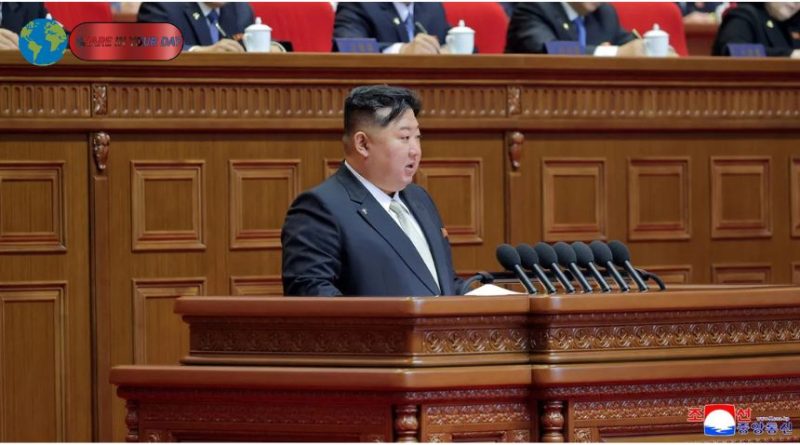
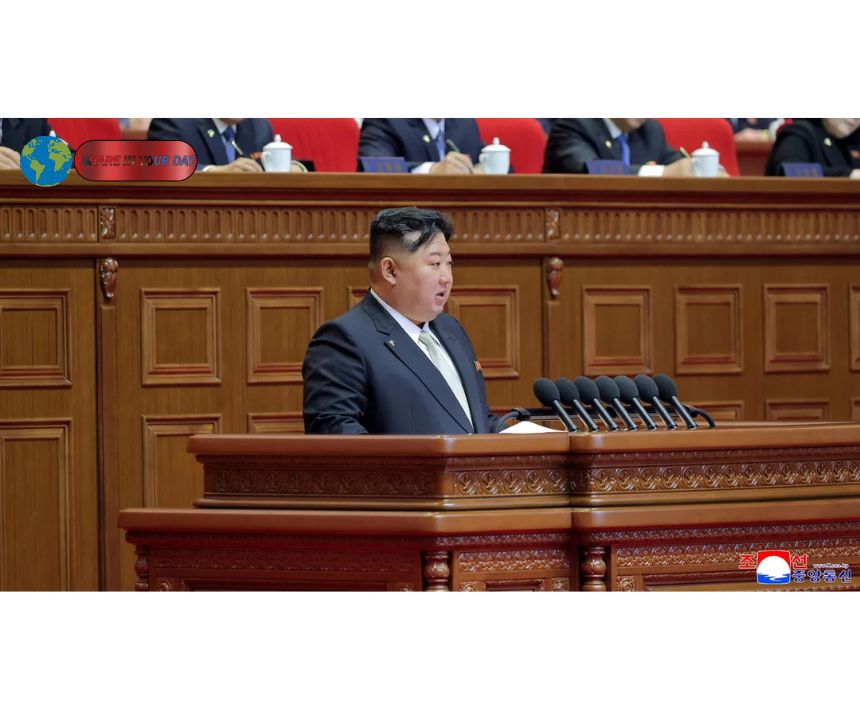
According to reports, Kim confirmed this stance during a memorial event in Pyongyang honoring North Korean troops killed in the Ukraine conflict.
During the ceremony, he praised soldiers who had “self-blasted,” describing their actions as heroic sacrifices made to protect national honor.
The term “self-blasting” is widely interpreted as a reference to suicide actions—either through explosives or other means—to avoid interrogation, intelligence leaks, or defection.
1. A Policy Rooted in Ideology and Control
One of the most striking aspects of the Kim Jong Un self-blasting policy is its ideological foundation.
North Korea has long emphasized absolute loyalty to the state and its leadership. In this framework, surrender is often portrayed as betrayal—not just of the military, but of the nation itself.
By requiring soldiers to die rather than be captured, the regime reinforces:
- Total obedience
- Fear of consequences
- Commitment to state ideology
Experts suggest that such policies are also designed to prevent defections, which could expose sensitive military information or undermine propaganda narratives.
2. Confirmation Came During a War Memorial Event
The policy was not revealed through leaked documents or intelligence reports—but through official remarks.
Kim Jong Un confirmed the directive during a ceremony marking the deaths of North Korean soldiers in Ukraine.
At the event, he honored troops who had died in combat and specifically referenced those who chose self-destruction over capture.
This public acknowledgment is significant because it:
- Signals official endorsement
- Reinforces the narrative of heroism
- Sends a message to both domestic and international audiences
Rather than denying such practices, the regime appears to embrace them as part of its military identity.
3. Tied to North Korea’s Role in the Ukraine War
The Kim Jong Un self-blasting policy cannot be separated from North Korea’s growing involvement in the Ukraine conflict.
Reports indicate that Pyongyang has provided:
- Troops
- Weapons
- Ammunition
to support Russia’s war efforts.
In return, North Korea is believed to receive:
- Military technology
- Economic aid
- Energy resources
This partnership has transformed North Korea from a largely isolated state into an active participant in one of the world’s most significant ongoing conflicts.
The presence of North Korean troops on the battlefield adds a new layer of complexity—and risk—to the war.
4. A Strategy to Avoid Intelligence Leaks
From a military standpoint, the self-blasting policy may serve a strategic purpose.
Captured soldiers can provide valuable intelligence, including:
- Tactical information
- Communication methods
- Operational weaknesses
By eliminating the possibility of capture, North Korea reduces the risk of sensitive information falling into enemy hands.
However, this approach comes at an enormous human cost and raises serious questions about the value placed on individual lives within the military system.
5. Global Reaction and Ethical Concerns
The confirmation of the Kim Jong Un self-blasting policy has drawn widespread criticism.
Human rights organizations and military analysts argue that such directives:
- Violate basic human rights
- Contradict international laws of war
- Endanger soldiers unnecessarily
Critics also warn that normalizing such practices could set a dangerous precedent, especially if other regimes adopt similar tactics.
At the same time, the policy highlights the stark differences between democratic and authoritarian military structures—particularly in how soldiers are treated and valued.
Why This Policy Matters Now
The timing of this revelation is crucial.
As the Ukraine war continues to evolve, the involvement of additional actors—including North Korea—raises the stakes significantly.
The Kim Jong Un self-blasting policy signals:
- Increased militarization
- Deepening alliances between authoritarian states
- Escalating risks in global conflict dynamics
It also underscores the human dimension of warfare—where soldiers are often caught between duty, coercion, and survival.
The Human Cost Behind the Headlines
While the policy may be framed as heroic within North Korean propaganda, the reality is far more complex.
Soldiers facing such directives are placed in impossible situations:
- Fight to the death
- Or take their own lives
This eliminates the possibility of surrender—a fundamental aspect of international humanitarian law designed to protect lives during conflict.
Reports and discussions online have also pointed to fears that soldiers may comply not out of loyalty, but due to potential repercussions for their families back home.
A Broader Pattern in North Korean Military Doctrine
The Kim Jong Un self-blasting policy is not an isolated phenomenon.
North Korea’s military has historically emphasized:
- Extreme discipline
- Psychological conditioning
- Absolute loyalty to leadership
These elements combine to create a system where unconventional and extreme tactics are not only accepted but encouraged.
Analysts note that this approach is consistent with the regime’s broader strategy of deterrence and control.
What Happens Next?
The confirmation of this policy raises several key questions:
- Will international bodies respond or investigate?
- How will this affect North Korea’s global standing?
- Could this influence other military doctrines?
As the Ukraine war continues, the role of external actors like North Korea is likely to face increased scrutiny.
Meanwhile, the ethical implications of such policies will remain a topic of intense debate.
Conclusion
The Kim Jong Un self-blasting policy represents one of the most extreme military directives revealed in recent years. By requiring soldiers to choose death over capture, North Korea has underscored the lengths to which it is willing to go in pursuit of control, secrecy, and ideological purity.
While framed as an act of honor by the regime, the policy raises profound moral and legal concerns. It also highlights the evolving nature of modern warfare—where alliances shift, tactics intensify, and the human cost continues to grow.
As more information emerges, one thing is clear: this development is not just a military story, but a global one—shaping how the world understands conflict, power, and the value of human life.