Pittsburgh NFL Draft 2026 Costs Spark Debate Over Economic Impact
The Pittsburgh NFL Draft 2026 costs debate has intensified after reports suggested the city likely spent more money hosting the event than it will ultimately receive in direct revenue.
Despite record-breaking attendance and widespread national attention, economists and policy analysts are questioning whether the financial return justifies the significant public investment. The discussion highlights a recurring issue with major sporting events: do they truly deliver the economic boost cities expect?
Record Crowds but Uncertain Financial Gains
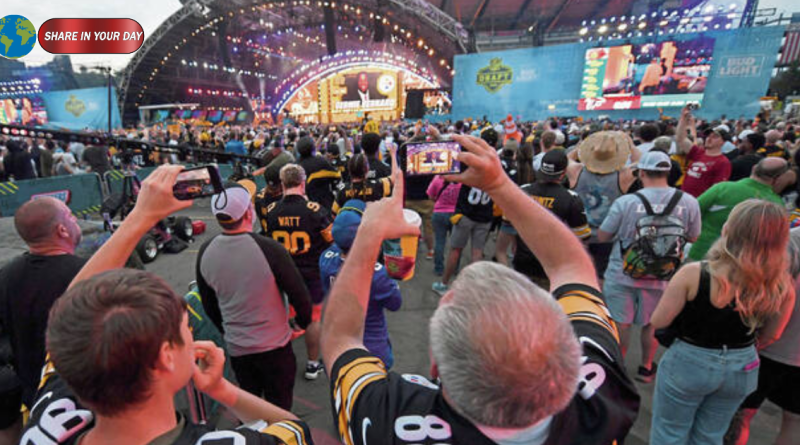
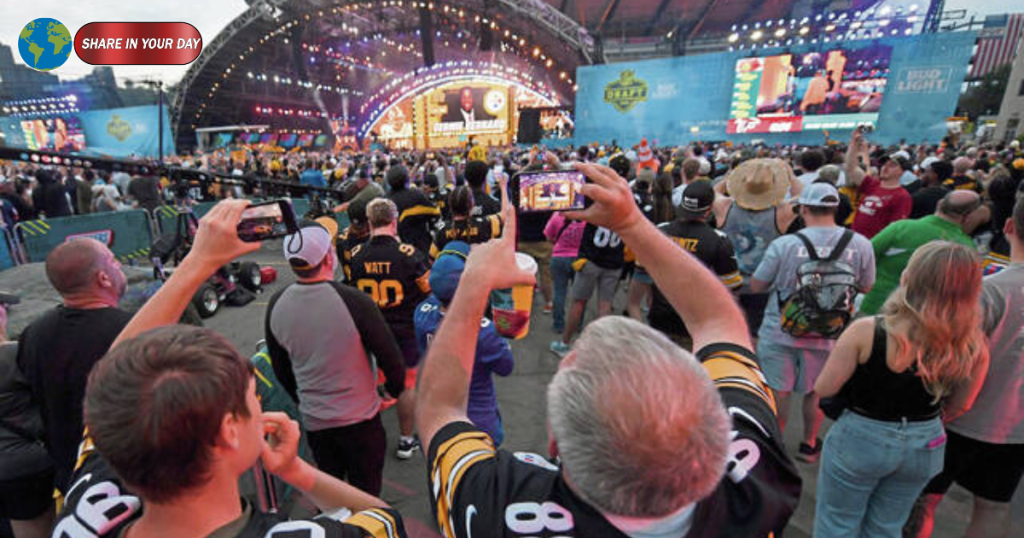
The 2026 NFL Draft, held from April 23–25 in Pittsburgh, drew massive crowds and global attention. According to reports, attendance reached more than 800,000 people over three days, setting a new benchmark for the event.
The scale of the event was undeniable. Fans packed areas around Acrisure Stadium and Point State Park, creating a festival-like atmosphere that showcased the city on a national stage.
However, large crowds do not automatically translate into financial success.
Experts emphasize that attendance figures often include repeat visitors and local residents, meaning the actual economic boost may be smaller than headline numbers suggest.
Public Spending Reached Millions
Hosting the NFL Draft required significant upfront investment from multiple levels of government.
Estimates indicate that:
- Pennsylvania contributed at least $10 million
- Combined public spending reached roughly $19 million
- Additional costs included security, transportation, and infrastructure
These figures do not fully capture indirect expenses such as police overtime, emergency services, and logistical planning, which further increase the total cost burden.
In many cases, these costs are necessary to ensure safety and smooth operations, but they also raise questions about return on investment.
Economic Impact Estimates Tell a Different Story
Tourism officials projected that the event would generate between $120 million and $200 million in economic impact.
At first glance, this appears to far exceed the public spending.
However, economists caution that “economic impact” is not the same as direct revenue.
Key distinction:
- Economic impact includes all spending related to the event
- Direct revenue refers to actual money received by the city (taxes, fees, etc.)
Much of the projected spending comes from locals who would have spent money elsewhere in the region anyway. As one economist noted, this type of spending does not represent new economic growth—it simply shifts where money is spent.
Why Pittsburgh May Have Spent More Than It Earned
The core issue behind the Pittsburgh NFL Draft 2026 costs debate is how benefits are measured.
1. Limited Direct Revenue Streams
Cities do not receive the majority of revenue generated during the NFL Draft. The NFL, sponsors, and private businesses capture much of the financial upside.
Local governments rely primarily on:
- Hotel taxes
- Sales taxes
- Indirect economic activity
These revenue streams are often insufficient to offset total public expenditures.
2. High Operational Costs
Large-scale events require extensive planning and execution.
Expenses include:
- Security operations
- Transportation systems
- Event infrastructure
- Cleanup and post-event services
These costs can quickly escalate beyond initial projections, particularly when attendance exceeds expectations.
3. Local Spending vs. Visitor Spending
A significant portion of attendees are local residents.
While they contribute to the event’s atmosphere, their spending does not represent new money entering the local economy.
Instead, it simply reallocates existing spending within the region.
4. Uneven Distribution of Benefits
Not all businesses benefit equally from the draft.
Reports indicate that while bars and restaurants near the event experienced strong demand, some businesses outside the main areas saw little to no increase in traffic.
This uneven distribution limits the overall economic impact.
The Bigger Picture: Marketing vs. Money
Supporters of hosting the NFL Draft argue that financial returns should not be the only metric.
The event provided Pittsburgh with:
- National media exposure
- Increased tourism visibility
- Opportunities to attract investors
City leaders used the draft to promote Pittsburgh as a destination for business and innovation, hosting corporate executives and investors during the event.
This type of long-term branding can be difficult to quantify but may deliver benefits over time.
Comparing Pittsburgh to Other Host Cities
Pittsburgh is not alone in facing questions about the economic impact of hosting the NFL Draft.
Previous host cities reported:
- Detroit (2024): ~$213 million economic impact
- Kansas City (2023): ~$164 million
- Green Bay (2025): ~$72 million
However, even in these cases, debates emerged over whether the projected benefits translated into real financial gains for local governments.
The pattern suggests that while the draft generates significant activity, it may not always deliver strong fiscal returns.
A Modest Boost to a Large Economy
Even optimistic estimates place the draft’s economic impact at a relatively small percentage of Pittsburgh’s overall economy.
The region’s economy is valued at approximately $160 billion, meaning a $150 million boost represents only a fraction of total economic activity.
This reinforces the idea that while the event is significant, it is unlikely to transform the city’s financial outlook.
Public Policy Questions Emerge
The debate surrounding the Pittsburgh NFL Draft 2026 costs raises broader questions about public spending on major events.
Should cities invest in large-scale events?
Proponents argue:
- Events stimulate tourism
- They create jobs (temporary and long-term)
- They enhance city branding
Critics counter:
- Public funds could be used for essential services
- Economic benefits are often overstated
- Financial risks fall on taxpayers
These competing perspectives highlight the complexity of evaluating such investments.
The Intangible Benefits of Hosting
Despite financial concerns, the NFL Draft delivered several intangible benefits:
1. National Visibility
The event attracted millions of viewers and showcased Pittsburgh to a global audience.
2. Community Engagement
Local events, fan experiences, and community programs created a sense of civic pride.
3. Business Opportunities
The draft brought corporate leaders and potential investors to the region.
These factors may contribute to long-term economic growth, even if immediate financial returns are limited.
What This Means for Future Host Cities
The experience of Pittsburgh offers valuable lessons for cities considering hosting the NFL Draft or similar events.
Key takeaways:
- Manage expectations about financial returns
- Focus on long-term benefits, not short-term profits
- Ensure equitable distribution of economic activity
- Carefully evaluate public spending commitments
Cities must weigh the costs against both tangible and intangible benefits.
Conclusion: A Complex Financial Reality
The Pittsburgh NFL Draft 2026 costs debate underscores the complexity of measuring the true value of major sporting events.
While the city achieved record attendance, global exposure, and a vibrant atmosphere, the financial picture is less clear.
Evidence suggests that Pittsburgh may have spent more than it will directly earn—a common outcome for host cities of large-scale events.
Ultimately, the success of the draft may depend less on immediate financial returns and more on its lasting impact on the city’s reputation and future opportunities.