
Artemis 2 Heat Shield Revealed: A Stunning Underwater Discovery
The Artemis 2 heat shield has captured global attention after a haunting underwater image revealed what looks like a sunken treasure resting on the ocean floor. The striking visual, released as a “space photo of the day,” showcases the aftermath of one of NASA’s most historic missions in decades.
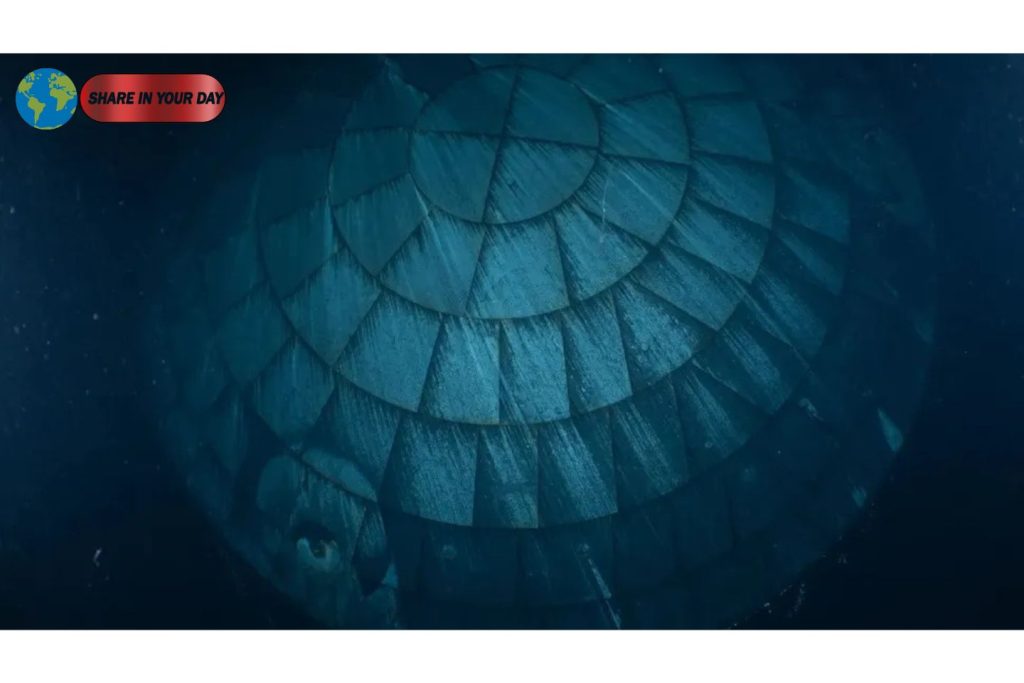
Following the successful return of the Artemis II crew, the Orion spacecraft’s heat shield was photographed beneath the ocean surface, offering both a surreal image and critical engineering insights. Meanwhile, experts say this moment marks a turning point in humanity’s return to deep space exploration.
A Historic Mission Comes Full Circle
NASA’s Artemis II mission officially concluded on April 10, 2026, after a 10-day journey around the Moon. It was the first crewed mission beyond low Earth orbit since 1972, signaling a new era of lunar exploration.
The Orion spacecraft, carrying four astronauts, splashed down safely in the Pacific Ocean off the coast of San Diego. Recovery teams, including U.S. Navy divers, quickly secured the capsule and assisted the crew.
However, before the spacecraft was fully retrieved, divers captured something extraordinary—an underwater view of the Artemis 2 heat shield that would soon captivate audiences worldwide.
The Image That Looks Like a Sunken Treasure
The now-famous photograph shows the Artemis 2 heat shield submerged in deep blue water, its textured surface appearing almost like a relic from a shipwreck.
Observers have compared it to a “sunken treasure,” evoking imagery similar to artifacts resting on the ocean floor for centuries.
The visual impact is undeniable:
- Dark blue tones create an eerie, almost otherworldly atmosphere
- The circular shield resembles ancient objects lost at sea
- Subtle lighting highlights the rugged, heat-scorched surface
While visually stunning, the image is far more than artistic—it represents a crucial piece of engineering validation.
Why the Artemis 2 Heat Shield Matters
The Artemis 2 heat shield played a life-saving role during reentry, protecting astronauts from extreme temperatures and speeds.
As Orion plunged back into Earth’s atmosphere, it reached speeds approaching 24,000 miles per hour.
During this phase, temperatures around the spacecraft soared to thousands of degrees, creating a plasma sheath around the capsule. The heat shield absorbed and dissipated this energy, ensuring the crew’s safety.
According to reports, the shield performed exceptionally well:
- Minimal damage compared to previous missions
- Reduced charring and material loss
- Stable structural integrity after splashdown
This performance marks a significant improvement over Artemis I, where engineers observed unexpected erosion.
Learning from Artemis I: A Critical Improvement
The success of the Artemis 2 heat shield didn’t happen by accident. NASA engineers made key adjustments following issues discovered during the Artemis I mission.
Previously, the heat shield experienced cracking and char loss due to trapped gases during reentry.
To address this, NASA modified the reentry trajectory for Artemis II:
- A steeper descent angle reduced heat exposure time
- A more direct path minimized stress on the material
- Testing ensured safety margins were maintained
The result? A dramatically improved performance that has restored confidence in the Orion spacecraft’s design.
Engineering Behind the Heat Shield
The Artemis 2 heat shield is made from a specialized material known as Avcoat, designed to withstand extreme thermal conditions.
This material works through a process called ablation:
- It absorbs heat by slowly burning away
- The outer layer chars and erodes, carrying heat away
- The inner structure remains protected
During Artemis II, this system performed exactly as intended, with significantly less damage than before.
Engineers will now study the recovered heat shield in detail at NASA facilities to refine future designs.
The Role of Recovery Teams
The dramatic underwater image wouldn’t exist without the efforts of recovery crews.
After splashdown, U.S. Navy divers entered the ocean to secure the spacecraft and assist astronauts. During this process, they captured high-resolution images of the Orion capsule and its heat shield beneath the surface.
These images serve multiple purposes:
- Public engagement and storytelling
- Engineering analysis and inspection
- Documentation of mission success
The collaboration between NASA and the U.S. Navy continues to be a critical component of human spaceflight operations.
A Symbol of a New Space Era
Beyond its technical importance, the Artemis 2 heat shield has become a symbol of humanity’s return to deep space.
The Artemis program aims to:
- Return humans to the Moon
- Establish a sustainable lunar presence
- Prepare for future missions to Mars
Artemis II was a crucial step in this journey, proving that NASA can safely send astronauts beyond Earth orbit once again.
The success of the heat shield reinforces confidence in upcoming missions, particularly Artemis III, which is expected to push exploration even further.
The Power of Space Photography
The underwater image also highlights the power of visual storytelling in space exploration.
In recent years, NASA has increasingly shared high-quality imagery to connect the public with its missions. From Earthrise photos to deep-space visuals, these images inspire curiosity and global interest.
The Artemis 2 heat shield photo stands out because it combines:
- Scientific significance
- Emotional impact
- Artistic beauty
It transforms a piece of engineering into something almost poetic—a reminder that even the most technical achievements can evoke wonder.
What Comes Next for Artemis
With Artemis II successfully completed, attention now shifts to future missions.
NASA is already preparing for Artemis III, which aims to further test systems and pave the way for eventual lunar landings.
Meanwhile, engineers will continue analyzing data from Artemis II, including:
- Heat shield performance
- Crew systems reliability
- Reentry trajectory effectiveness
These insights will shape the next generation of spacecraft and exploration strategies.
Why This Moment Matters
The image of the Artemis 2 heat shield resting beneath the ocean surface represents more than just the end of a mission.
It symbolizes:
- The challenges of space travel
- The ingenuity of human engineering
- The beginning of a new exploration era
From fiery reentry to peaceful ocean depths, the journey of the heat shield reflects the extremes of spaceflight itself.
Final Thoughts
The Artemis 2 heat shield has become one of the most iconic images of 2026, blending science, art, and history into a single frame.
What appears to be a “sunken treasure” is, in reality, a testament to decades of innovation and collaboration. It protected human lives during one of the most dangerous phases of space travel and returned to Earth as both a scientific asset and a visual masterpiece.
As NASA moves forward with its ambitious Artemis program, moments like this remind us why space exploration continues to captivate the world.
The ocean may have briefly claimed the heat shield—but its impact will resonate far beyond Earth.