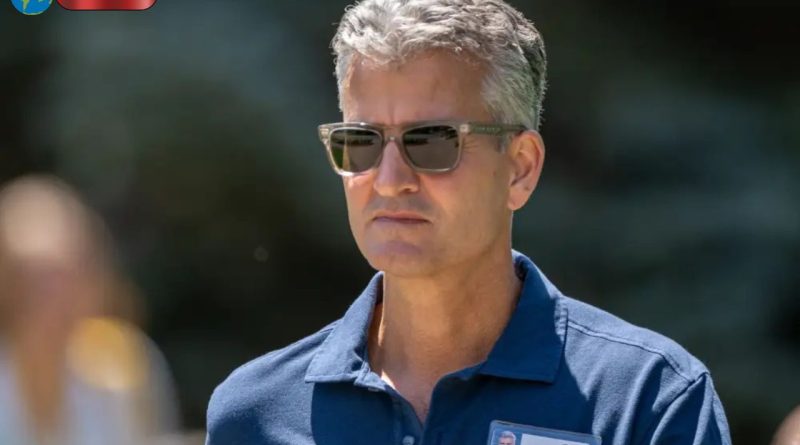
The long-debated ESPN spin-off decision has finally been settled—at least for now. The The Walt Disney Company has decided not to spin off its sports giant ESPN, marking one of the first major strategic moves under new CEO Josh D’Amaro.
After years of speculation and pressure from investors, Disney is choosing to keep ESPN in-house. The decision reflects a broader shift in how the company views its future—especially in an era dominated by streaming and digital media.
A Defining Moment for Disney’s New CEO
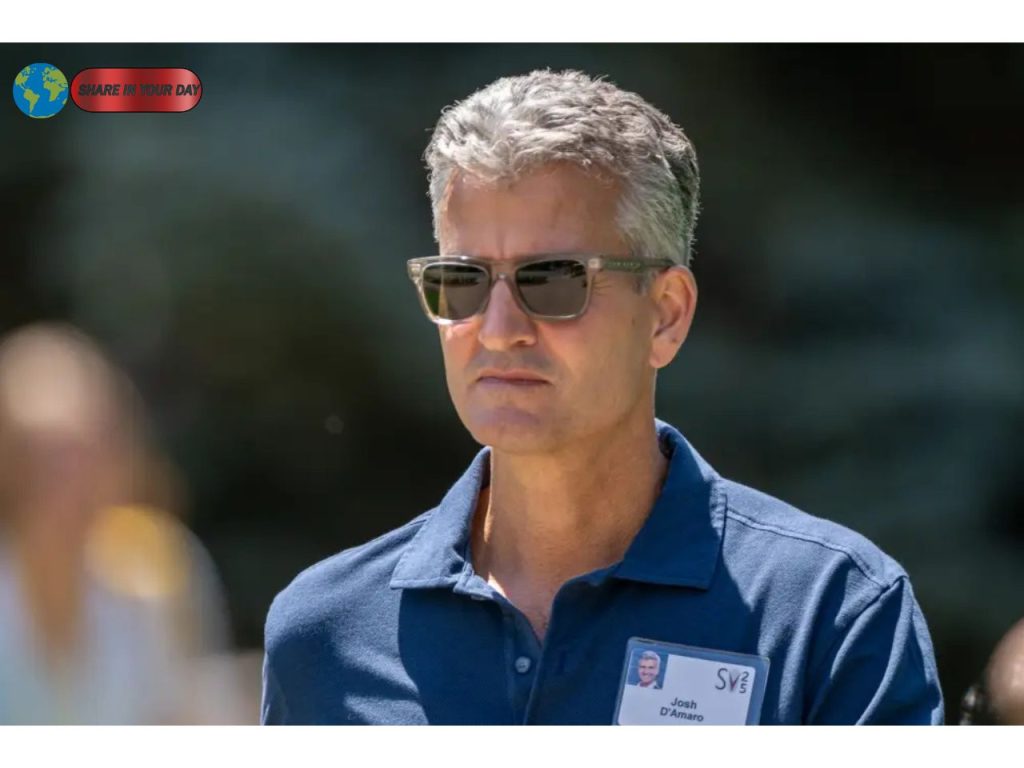
The ESPN spin-off decision comes just weeks after Josh D’Amaro officially took over as CEO in March 2026.
D’Amaro, a longtime Disney executive, stepped into the role following Bob Iger. His leadership is already being closely watched by investors and analysts eager to see how he will reshape the company.
Choosing not to spin off ESPN sends a clear signal: Disney is doubling down on its existing assets rather than breaking them apart.
Why Disney Considered Spinning Off ESPN
For years, the idea of separating ESPN from Disney had gained traction. The reasoning was straightforward:
- Traditional cable TV is declining
- ESPN’s subscriber base has been shrinking since 2015
- Investors wanted a more focused streaming strategy
These factors led to repeated discussions about whether ESPN should operate as an independent company.
However, despite these concerns, Disney ultimately concluded that keeping ESPN offers more long-term value.
5 Powerful Reasons Behind the ESPN Spin-Off Decision
1. ESPN Is Critical to Disney’s Streaming Future
Disney believes ESPN plays a central role in its transition to streaming. Instead of spinning it off, the company plans to integrate ESPN more deeply into its digital ecosystem.
This includes:
- Bundling ESPN with Disney+ and Hulu
- Offering a standalone ESPN streaming service
- Expanding digital sports content
Live sports remain one of the few types of content that consistently attract real-time viewers—making ESPN a valuable asset in the streaming wars.
2. Strong Synergy Across Disney’s Ecosystem
Keeping ESPN allows Disney to leverage synergies across its platforms. Sports content can drive engagement across:
- Streaming services
- Advertising platforms
- Theme parks and experiences
- Merchandise and partnerships
This interconnected strategy would be harder to execute if ESPN were a separate entity.
3. Potential for Strategic Partnerships
Instead of a full spin-off, Disney is exploring the possibility of selling minority stakes in ESPN.
For example, the National Football League previously acquired a 10% stake in ESPN, signaling strong industry interest.
This approach allows Disney to raise capital while maintaining control over the network.
4. Live Sports Remain a Unique Advantage
In a fragmented media landscape, live sports are one of the few categories that still command massive audiences.
Unlike on-demand content, sports events:
- Encourage live viewing
- Drive advertising revenue
- Maintain subscriber loyalty
By keeping ESPN, Disney retains a powerful competitive advantage over streaming rivals.
5. Flexibility for Future Decisions
Importantly, the ESPN spin-off decision is not necessarily permanent. Sources indicate that Disney could revisit the idea in the future if market conditions change.
For now, however, spinning off ESPN is “off the table,” signaling confidence in the current strategy.
The Role of ESPN in Disney’s Bigger Strategy
ESPN is more than just a sports network—it is a key pillar of Disney’s broader business model.
Through platforms like ESPN+, Disney has already begun transitioning ESPN into the streaming era. The service has attracted millions of users and continues to evolve.
Additionally, Disney is working toward a direct-to-consumer ESPN service, allowing fans to access content without a traditional cable subscription.
This shift reflects a larger industry trend: moving away from cable bundles and toward flexible, digital-first offerings.
Investor Reactions and Market Implications
The ESPN spin-off decision has significant implications for investors.
On one hand, some analysts had hoped a spin-off would unlock shareholder value by separating ESPN from Disney’s broader business.
On the other hand, keeping ESPN suggests Disney is prioritizing long-term growth over short-term gains.
Key considerations include:
- The value of live sports rights
- The cost of maintaining those rights
- The profitability of streaming services
Investors will now be watching closely to see whether Disney can successfully monetize ESPN in the digital age.
Challenges Facing ESPN and Disney
Despite its strengths, ESPN still faces several challenges:
Declining Cable Subscribers
The traditional cable model continues to lose subscribers, affecting ESPN’s legacy revenue streams.
Rising Sports Rights Costs
Broadcasting rights for major leagues are becoming increasingly expensive, putting pressure on profit margins.
Streaming Competition
Companies like Netflix and Amazon are investing heavily in live sports, increasing competition.
These challenges make the ESPN spin-off decision even more critical, as Disney must navigate a rapidly changing media landscape.
A Broader Transformation at Disney
The decision to keep ESPN comes amid a wider transformation at Disney.
Recent developments include:
- Organizational restructuring in streaming divisions
- Workforce reductions across multiple departments
- Increased investment in digital platforms
These moves reflect Disney’s effort to adapt to new consumer habits and technological shifts.
What This Means for the Future of Media
The ESPN spin-off decision is not just about Disney—it reflects broader trends shaping the media industry.
Key takeaways include:
- Streaming is now the primary battleground
- Live sports remain a crucial asset
- Media companies are prioritizing integration over separation
Disney’s approach suggests that owning premium content—and controlling its distribution—may be more valuable than breaking companies into smaller pieces.
Could Disney Change Its Mind?
While the current stance is clear, the future remains uncertain.
Market conditions, technological advancements, and consumer behavior could all influence whether Disney revisits the idea of spinning off ESPN.
For now, however, the message is firm: ESPN is staying.
Final Thoughts
The ESPN spin-off decision marks a pivotal moment for Disney under new leadership.
By choosing to keep ESPN, Disney is betting on:
- The enduring power of live sports
- The growth of streaming platforms
- The value of an integrated media ecosystem
As Josh D’Amaro begins his tenure as CEO, this decision sets the tone for what could be a transformative era for one of the world’s largest entertainment companies.
Whether this strategy pays off remains to be seen—but one thing is certain: ESPN will continue to play a central role in Disney’s future.