California Governor Race Debate: 7 Shocking Moments
The California governor race debate reached a critical turning point as leading candidates clashed in a high-stakes televised showdown, offering voters a clearer view of a deeply divided field. With early voting underway and no clear frontrunner, the debate underscored just how unpredictable the 2026 election has become.
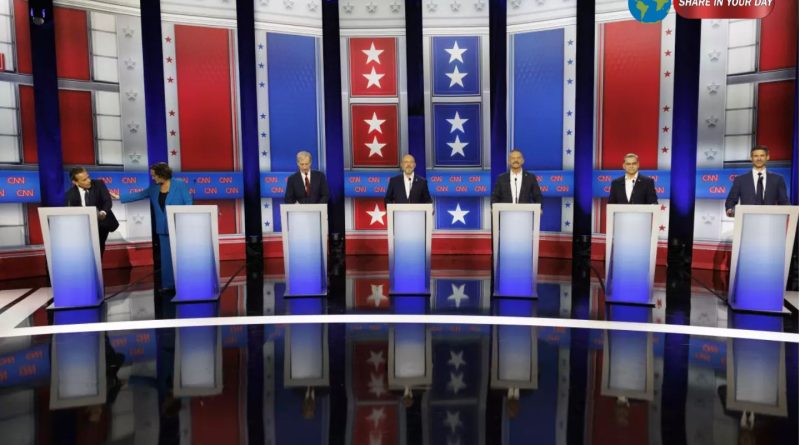
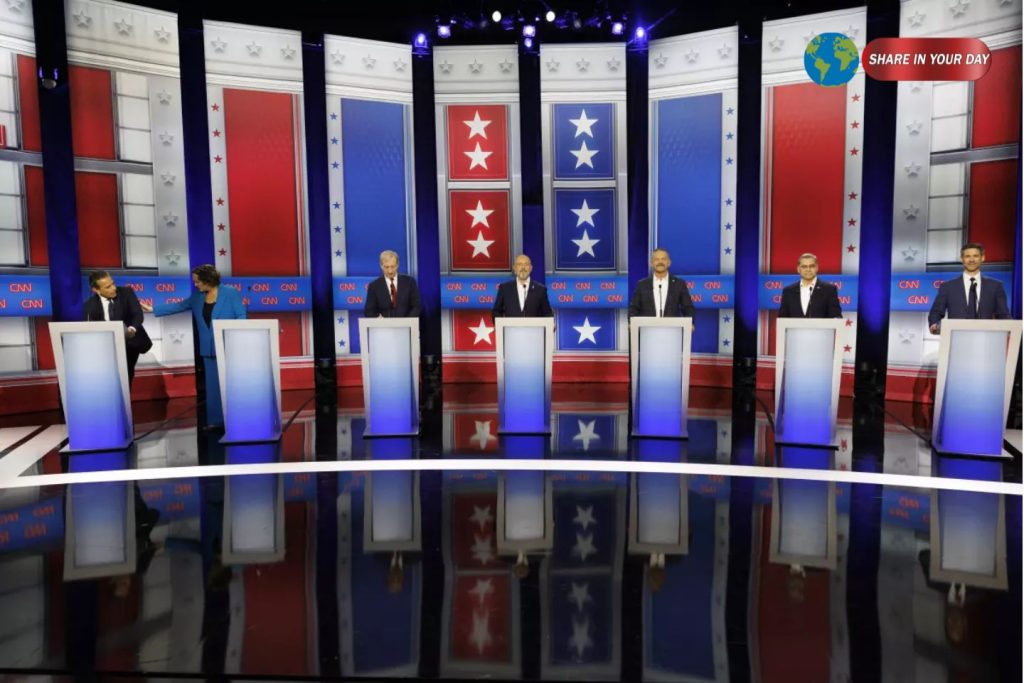
Broadcast nationally on CNN, the debate brought together seven major candidates competing to replace term-limited Governor Gavin Newsom. The result was a tense, often chaotic exchange that highlighted sharp ideological divisions, personal attacks, and competing visions for the future of America’s largest state.
Below are seven key moments and takeaways that could shape the outcome of the race.
1. A Wide-Open Race With No Clear Leader
One of the most striking realities from the California governor race debate is the absence of a dominant candidate. Unlike previous elections, this contest remains unusually fluid.
Polls show a fragmented electorate, with several candidates clustered closely together. Republican Steve Hilton has emerged as an unexpected frontrunner in some surveys, while Democrats such as Xavier Becerra and Tom Steyer remain competitive.
This lack of a clear leader reflects both voter uncertainty and the sheer size of the field. With more than 50 candidates on the ballot, the race is one of the most crowded in California history.
2. Heated Attacks Over Cost of Living
The cost of living crisis dominated much of the debate, with candidates aggressively challenging each other’s policies.
Republicans criticized years of Democratic leadership, arguing it has led to high taxes, housing shortages, and rising gas prices. Meanwhile, Democratic candidates defended their records while proposing new solutions, including expanded social programs and tax reforms.
The issue resonated strongly with voters, as California continues to face affordability challenges across housing, energy, and everyday expenses.
3. Sharp Divisions Over Taxes and Wealth
A major flashpoint during the California governor race debate was the question of taxing the wealthy.
Some candidates, including progressive Democrats, pushed for a “billionaire tax” aimed at funding public services. Others warned that such policies could drive businesses and wealthy residents out of the state.
The disagreement exposed deep ideological divides—not only between parties but within the Democratic field itself.
4. Personal Controversies Take Center Stage
The debate was not just about policy. Personal controversies also played a significant role.
Xavier Becerra faced scrutiny over past allegations involving his staff, while other candidates were forced to defend their leadership styles, political records, or past affiliations.
Meanwhile, the race has already been shaken by the withdrawal of former candidate Eric Swalwell following misconduct allegations, adding further uncertainty to the field.
These controversies have made character and credibility key factors for voters.
5. Republicans Seize Opportunity in Democratic Divide
For Republicans, the crowded Democratic field represents a rare opportunity.
Candidates like Steve Hilton and Chad Bianco used the debate to argue that California needs a dramatic political shift after years of Democratic control.
Their strategy is clear: capitalize on Democratic fragmentation and position themselves as alternatives capable of advancing to the final round under California’s “top-two” primary system.
Analysts warn that vote-splitting among Democrats could allow two Republicans to advance—an outcome that would be highly unusual in the state.
6. A Debate Marked by Chaos and Interruptions
The tone of the debate itself revealed just how intense the race has become.
Candidates frequently interrupted each other, clashed over talking time, and engaged in direct confrontations. At times, moderators struggled to maintain control as exchanges grew increasingly heated.
This chaotic atmosphere reflects the high stakes of the election, as candidates fight to stand out in a crowded and competitive field.
7. The Stakes Could Not Be Higher
The California governor race debate is more than just a political event—it is a defining moment for the state’s future.
California faces a range of challenges, including:
- Housing affordability
- Homelessness
- Economic inequality
- Budget pressures
Candidates offered sharply different visions for addressing these issues, making the election one of the most consequential in recent history.
As one of the largest economies in the world, California’s policy direction has national and global implications.
Why This Debate Matters
The significance of the California governor race debate extends beyond the immediate election.
With California representing roughly one in eight Americans, the outcome of this race could influence national political trends and policy debates.
The debate also provides insight into broader shifts within both major parties, including:
- Internal divisions among Democrats
- Republican attempts to gain ground in blue states
- The growing influence of independent and undecided voters
What Happens Next?
As the election approaches, several factors will determine the trajectory of the race:
Early Voting Impact
With ballots already being cast, debate performances could directly influence voter decisions.
Candidate Momentum
Strong performances may boost candidates like Becerra or Hilton, while weaker showings could stall campaigns.
Voter Turnout
In a crowded field, turnout could play a decisive role in determining which two candidates advance.
Media Coverage
Ongoing analysis and coverage will shape public perception in the final weeks before the primary.
The Bottom Line
The California governor race debate has made one thing clear: this election is wide open, deeply competitive, and full of surprises.
From heated policy clashes to personal controversies, the debate highlighted the complexity of a race with no clear frontrunner. As voters begin casting their ballots, every moment—from debate performances to campaign messaging—could prove निर्णative.
In a state known for shaping national trends, the outcome of this race will be closely watched across the country.