Iran War Updates Revealed: 5 Critical Ceasefire Risks
The latest Iran war updates indicate that while a ceasefire is technically in place, the situation remains fragile and unpredictable. Tensions continue to simmer in the Middle East, particularly around the strategically vital Strait of Hormuz. According to reporting from NPR, recent U.S. operations to secure the shipping corridor are testing the limits of an already unstable truce.
Although large-scale combat has slowed, the risk of escalation remains high. Analysts warn that even a minor miscalculation could quickly reignite broader conflict.
What the Latest Iran War Updates Reveal
The newest Iran war updates highlight a critical shift. The conflict has moved from active warfare into a volatile “gray zone.” This phase is marked by limited military activity, political maneuvering, and economic pressure.
The United States is currently focused on maintaining maritime security. Its efforts aim to ensure that global oil shipments can move freely through the Strait of Hormuz. This narrow passage is responsible for a significant portion of the world’s energy supply.
However, Iran has not fully stepped back. Reports suggest intermittent disruptions and continued regional tension. Therefore, the ceasefire appears more like a pause than a resolution.
Why the Strait of Hormuz Matters in Iran War Updates
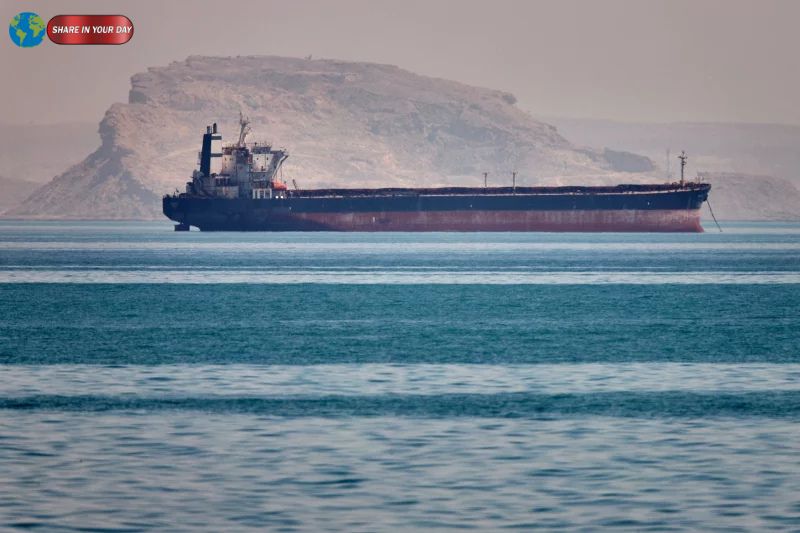
Any serious discussion of Iran war updates must include the Strait of Hormuz. This waterway connects the Persian Gulf to global markets and is one of the most critical chokepoints in international trade.
Roughly one-fifth of the world’s oil passes through this route. As a result, even minor instability can send shockwaves through global markets.
Recently, U.S. naval forces have escorted commercial vessels through the area. This move is designed to prevent further disruptions. However, it also increases the risk of confrontation.
If tensions escalate, the consequences could include:
- Sharp increases in global oil prices
- Supply chain disruptions
- Economic instability across multiple regions
Therefore, the Strait of Hormuz remains the focal point of current developments.
5 Critical Risks Identified in Iran War Updates
1. Fragile Ceasefire Conditions
The ceasefire remains unstable. While both sides have reduced large-scale attacks, smaller incidents continue to occur.
These actions undermine trust and increase the likelihood of renewed conflict. As a result, the situation remains highly unpredictable.
2. Risk of Military Miscalculation
Military forces from multiple countries operate in close proximity. This creates a dangerous environment.
Even a minor misunderstanding could trigger escalation. Historically, similar situations have led to rapid conflict expansion.
3. Economic Pressure and Oil Volatility
Another key element in recent Iran war updates is economic instability. Oil prices have already shown volatility due to uncertainty.
Energy markets react quickly to geopolitical risk. Therefore, prolonged tension could impact global inflation and economic growth.
4. Regional Proxy Tensions
The conflict extends beyond direct U.S.-Iran interactions. Various regional actors are involved indirectly.
This creates a complex web of alliances and rivalries. Consequently, localized incidents could have broader implications.
5. Lack of Clear Diplomatic Resolution
Perhaps the most concerning issue is the absence of a long-term diplomatic solution.
While discussions are ongoing, there is no clear framework for lasting peace. Without it, the current ceasefire may only be temporary.
Daily Life Inside Iran Amid War Updates
Beyond military and political developments, Iran war updates also reveal the human impact of the conflict.
In major cities, daily life appears to be returning to normal. Shops are open, and public spaces are active. However, underlying concerns remain.
Citizens face:
- Rising inflation
- Economic uncertainty
- Fear of renewed conflict
Additionally, political tensions within the country have intensified. This adds another layer of complexity to the situation.
U.S. Strategy in the Latest Iran War Updates
The United States has shifted its approach in recent weeks. Instead of direct large-scale operations, it is focusing on containment and stability.
This includes:
- Naval escorts in the Strait of Hormuz
- Strategic deterrence measures
- Diplomatic engagement with allies
Officials have suggested that primary military objectives have been achieved. However, continued presence in the region indicates ongoing concern.
The strategy appears to balance deterrence with restraint. Nevertheless, its long-term effectiveness remains uncertain.
Global Impact of Iran War Updates
The implications of current Iran war updates extend far beyond the Middle East.
Economic Effects
Global markets are highly sensitive to geopolitical risk. Energy prices, in particular, are directly affected.
Any disruption in oil supply can lead to:
- Increased fuel costs
- Higher transportation expenses
- Inflationary pressure worldwide
Political Consequences
Governments around the world are closely monitoring the situation. Many are adjusting foreign policy and defense strategies accordingly.
Alliances may shift depending on how the conflict evolves. Therefore, the geopolitical landscape could change significantly.
Security Concerns
The risk of escalation affects international security. Military readiness has increased in several regions.
This highlights the broader implications of what might otherwise appear to be a localized conflict.
What Happens Next? Future Outlook
Looking ahead, the future remains uncertain. The next phase will likely depend on several key factors:
- Whether the ceasefire holds
- The success of diplomatic efforts
- Actions taken in the Strait of Hormuz
If tensions decrease, there may be an opportunity for meaningful negotiations. However, if incidents continue, escalation becomes more likely.
Experts emphasize that the current moment is critical. Decisions made now could shape the trajectory of the conflict for years to come.