
US Elections 2026: Shocking Democratic Surge
The US Elections 2026 are already shaping up to be one of the most dramatic political battlegrounds in recent history. Early results from special elections and primaries across key states reveal a striking trend: Democrats are gaining momentum, while former President Donald Trump continues to tighten his grip on the Republican Party.
This dual dynamic—Democratic gains alongside Trump’s dominance—has created a complex and highly competitive political landscape heading into the November midterms.
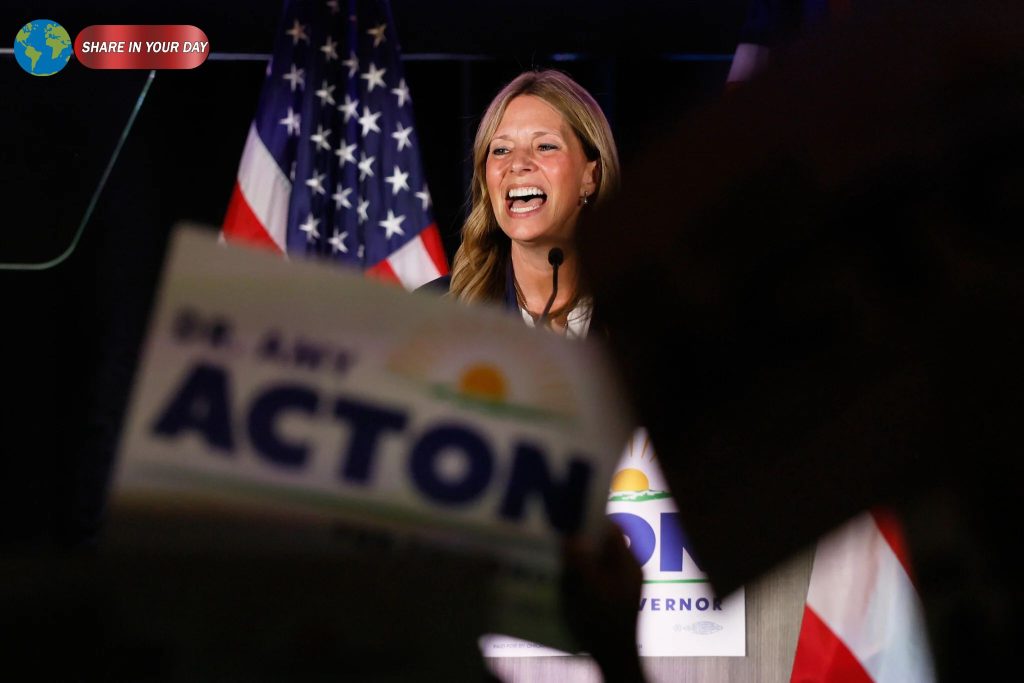
Democrats Gain Momentum in Key Races
Recent election results in states such as Michigan, Ohio, and Indiana highlight a clear pattern. Democrats have been performing strongly in special elections, particularly in districts considered political bellwethers.
In Michigan, a Democratic candidate secured a decisive victory in a state Senate race, reinforcing a growing trend of success in competitive districts. These wins are not isolated incidents. Instead, they reflect a broader surge that has been building over recent months.
Political analysts suggest that these victories signal increased voter enthusiasm among Democratic supporters. High turnout in these elections has been interpreted as a positive indicator for the party as it prepares for the national stage.
Moreover, these wins are narrowing the gap in legislative bodies, giving Democrats renewed hope of reclaiming control of Congress.
Trump Reinforces His Hold on the GOP
While Democrats celebrate gains, US Elections 2026 also highlight the enduring influence of Donald Trump within the Republican Party.
In Indiana, Trump-backed candidates achieved significant victories in Republican primaries. He targeted several GOP incumbents who had opposed his redistricting plans—and succeeded in unseating most of them.
This outcome underscores a critical reality: loyalty to Trump remains a defining factor in Republican politics.
Trump’s endorsements are proving powerful, often backed by substantial financial support and campaign resources. In these primaries, millions of dollars were spent to ensure his preferred candidates prevailed, demonstrating the scale of his influence.
The result is a Republican Party increasingly aligned with Trump’s political vision, with dissenting voices being pushed aside.
A Divided Political Landscape Emerges
The US Elections 2026 reveal a deeply divided political environment.
On one side, Democrats are capitalizing on voter dissatisfaction and building momentum through consistent wins in special elections. On the other, Republicans are consolidating around Trump, creating a unified—though highly centralized—party structure.
This contrast sets the stage for a high-stakes midterm election.
Experts describe the situation as a “two-track dynamic”:
- Democrats are expanding their appeal to swing voters
- Republicans are strengthening internal cohesion under Trump
While both strategies have advantages, they also come with risks.
Why Democratic Momentum Matters
Democratic success in special elections often serves as a predictor of broader electoral trends.
Historically, strong performances in off-cycle elections indicate heightened enthusiasm among voters. This enthusiasm can translate into higher turnout during major elections—a critical factor in determining outcomes.
In the context of the US Elections 2026, these victories suggest:
- Growing dissatisfaction with Republican leadership
- Increased engagement among younger and minority voters
- A potential shift in suburban voting patterns
Additionally, polling data indicates that Democrats may have an edge in national sentiment, further strengthening their position ahead of November.
The Role of Key Battleground States
States like Ohio, Michigan, and Indiana are playing a pivotal role in shaping the narrative of the US Elections 2026.
These states are often seen as indicators of national trends due to their diverse voter bases and competitive political environments.
- Michigan: A critical swing state showing strong Democratic performance
- Ohio: Traditionally Republican-leaning but increasingly competitive
- Indiana: A Republican stronghold where Trump’s influence is most visible
The outcomes in these states will likely influence campaign strategies for both parties as the midterms approach.
Trump’s Strategy: Loyalty Over Moderation
One of the defining features of the US Elections 2026 is Trump’s approach to party leadership.
Rather than broadening the Republican base, Trump has focused on reinforcing loyalty within the party. His strategy involves:
- Supporting candidates who align closely with his policies
- Challenging incumbents who oppose him
- Leveraging financial backing to influence primary outcomes
This approach has been effective in maintaining control over the GOP. However, it raises questions about the party’s ability to appeal to independent voters in a general election.
Challenges Ahead for Both Parties
Despite their momentum, Democrats face significant challenges.
Winning special elections does not always guarantee success in nationwide contests. Factors such as economic conditions, international events, and campaign strategies will all play a role in shaping voter decisions.
Meanwhile, Republicans must navigate the balance between party unity and broader appeal.
Trump’s dominance ensures strong support among his base, but it may also alienate moderate voters—a key demographic in swing districts.
The Bigger Picture: What It Means for the Midterms
The US Elections 2026 are more than just a series of state-level contests. They are a preview of what could happen in the midterm elections.
If current trends continue:
- Democrats could make significant gains in the House of Representatives
- The Senate could become highly competitive
- Control of Congress may shift, altering the balance of power in Washington
At the same time, Trump’s continued influence ensures that the Republican Party remains a formidable force.
This combination of Democratic momentum and Republican consolidation creates a highly unpredictable political environment.
Voter Sentiment and National Trends
Public opinion is playing a crucial role in shaping the US Elections 2026.
Recent surveys suggest that key issues influencing voters include:
- Economic stability
- Immigration policies
- Leadership and governance
Democrats appear to be benefiting from concerns over these issues, while Republicans continue to rely on strong support from their core base.
The interplay between these factors will ultimately determine the outcome of the midterms.
Conclusion: A High-Stakes Political Showdown
The US Elections 2026 are setting the stage for a defining moment in American politics.
Democrats are riding a wave of momentum fueled by special election victories and growing voter enthusiasm. At the same time, Donald Trump’s firm grip on the Republican Party ensures that the GOP remains unified and competitive.
As the November midterms approach, the question is no longer whether the political landscape is shifting—but how far that shift will go.
One thing is certain: the battle for control of Congress will be intense, closely watched, and potentially transformative for the future of the United States.