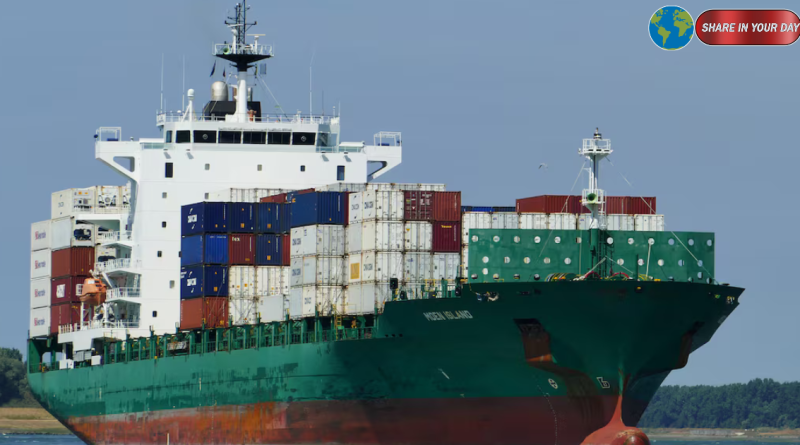
Strait of Hormuz Attack: CMA CGM Vessel Hit Amid Rising Tensions
The Strait of Hormuz attack on a CMA CGM container ship has intensified concerns over global shipping security, after a vessel was struck while transiting one of the world’s most critical maritime chokepoints.
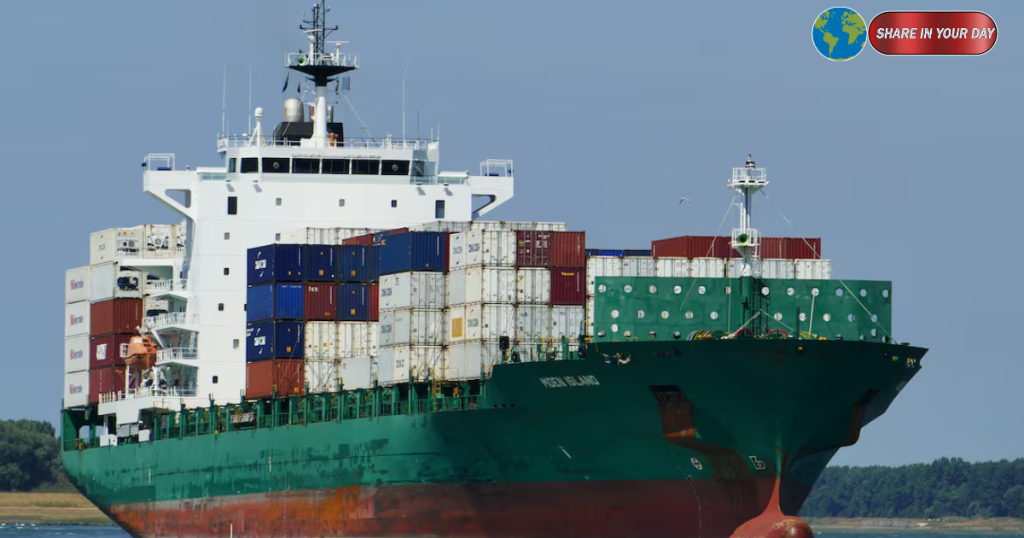
The incident, confirmed by the French shipping giant CMA CGM, left multiple crew members injured and highlighted the escalating dangers posed by the ongoing U.S.-Iran conflict, which has severely disrupted commercial shipping across the region.
Crew Injured as Vessel Comes Under Fire
According to company statements and maritime reports, the container ship — identified as the CMA CGM San Antonio — was hit during its passage through the Strait of Hormuz.
The attack resulted in injuries to several crew members, with reports indicating that at least eight individuals were wounded and later evacuated for medical treatment.
CMA CGM confirmed that the vessel sustained damage, though the company has not disclosed the full extent of the impact. However, officials stated that injured crew members were safely transported for care, suggesting emergency protocols were quickly activated.
This latest Strait of Hormuz attack underscores the growing risks faced by commercial shipping operators navigating the volatile region.
A Critical Global Trade Route Under Threat
The Strait of Hormuz is widely regarded as one of the most strategically important waterways in the world. Roughly 20% of global oil trade passes through this narrow corridor, making any disruption a significant concern for international markets.
However, the ongoing geopolitical conflict has effectively turned the region into a high-risk zone.
Since the escalation of hostilities earlier in 2026, hundreds of vessels have been stranded, rerouted, or delayed due to safety concerns. The attack on the CMA CGM ship marks one of dozens of incidents targeting commercial vessels in recent months.
Experts warn that continued instability could have far-reaching consequences, including rising energy prices, supply chain disruptions, and increased insurance costs for shipping companies.
Part of a Broader Maritime Crisis
The Strait of Hormuz attack is not an isolated event but part of a broader pattern of maritime incidents linked to the ongoing conflict between Iran and Western-aligned forces.
Reports indicate that this latest strike is among more than 30 incidents recorded since the conflict began, reflecting a sharp escalation in threats to civilian shipping.
Vessels have been targeted using a range of tactics, including:
- Projectile strikes
- Drone attacks
- Small-boat assaults
- Missile launches
The cumulative effect has been a near standstill in maritime traffic through the Strait, with many operators opting to delay voyages or seek alternative routes despite higher costs.
U.S. Naval Escort Mission Paused
In response to the growing threat, the United States had launched a naval initiative aimed at escorting commercial vessels safely through the Strait of Hormuz.
The operation, designed to restore confidence in the shipping corridor, initially enabled some ships to transit the region under military protection.
However, following recent developments — including the CMA CGM vessel attack — the U.S. temporarily paused the escort mission amid diplomatic negotiations with Iran.
This pause has added further uncertainty to an already fragile situation, leaving many shipping companies without a clear security framework for safe passage.
France Responds: Not a Targeted Attack
French authorities have addressed the incident, emphasizing that the CMA CGM vessel was not specifically targeted because of its nationality.
Officials clarified that France was not directly involved in military operations in the region and therefore unlikely to be a deliberate target.
Nevertheless, the attack raises questions about the broader risks facing all commercial vessels, regardless of ownership or flag.
For CMA CGM — one of the world’s largest container shipping companies — the incident highlights the operational challenges of maintaining global logistics amid geopolitical instability.
Shipping Industry Faces Mounting Pressure
The Strait of Hormuz attack has intensified pressure on the global shipping industry, which is already grappling with multiple disruptions.
Key challenges include:
1. Rising Insurance Costs
War-risk insurance premiums for vessels operating in the region have surged, making voyages significantly more expensive.
2. Operational Delays
Ships are being forced to wait for safe passage or reroute entirely, leading to delays in global supply chains.
3. Crew Safety Concerns
Seafarers are increasingly reluctant to operate in high-risk zones, prompting labor and staffing challenges.
4. Increased Fuel Costs
Alternative routes often require longer journeys, raising fuel consumption and operational expenses.
These factors collectively threaten to exacerbate inflationary pressures worldwide, particularly in energy and goods markets.
Global Economic Implications
The Strait of Hormuz plays a vital role in the global economy, serving as a key artery for oil exports from the Middle East.
Any sustained disruption in the region can trigger:
- Oil price volatility
- Supply shortages
- Increased transportation costs
- Broader economic uncertainty
Analysts warn that if attacks continue, the impact could extend far beyond the shipping industry, affecting everything from fuel prices to consumer goods availability.
The Strait of Hormuz attack therefore represents not just a regional security issue, but a global economic concern.
Maritime Security in Focus
The attack has renewed calls for enhanced international cooperation to secure maritime routes.
Potential measures being discussed include:
- Expanded naval patrols
- Multinational escort missions
- Improved intelligence sharing
- Diplomatic efforts to de-escalate tensions
However, implementing these solutions remains complex, particularly given the political sensitivities surrounding the conflict.
What Happens Next?
As tensions continue, shipping companies are closely monitoring developments and adjusting strategies accordingly.
Some operators have already:
- Suspended operations in the Strait
- Diverted vessels around Africa
- Delayed shipments until conditions improve
Meanwhile, diplomatic efforts between the United States and Iran could play a decisive role in determining whether the Strait reopens fully to commercial traffic.
Final Takeaway
The Strait of Hormuz attack on the CMA CGM vessel marks another alarming escalation in a conflict that is increasingly disrupting global trade.
With crew members injured, shipping routes threatened, and economic risks mounting, the incident underscores the fragile state of one of the world’s most critical maritime corridors.
As geopolitical tensions persist, the future of safe navigation through the Strait of Hormuz remains uncertain — and the consequences are being felt far beyond the region.