A newly unsealed court document has brought renewed attention to one of the most controversial deaths in recent U.S. criminal history. A federal judge in New York has released what is described as a purported suicide note written by Jeffrey Epstein, the convicted sex offender who died in federal custody in 2019.
The document, which had been sealed for years, is now part of the public record following a legal request from The New York Times. The release has reignited debate over Epstein’s final days, the circumstances surrounding his death, and the broader conspiracy theories that have persisted since 2019.
Court Order Leads to Unsealing of Epstein Note
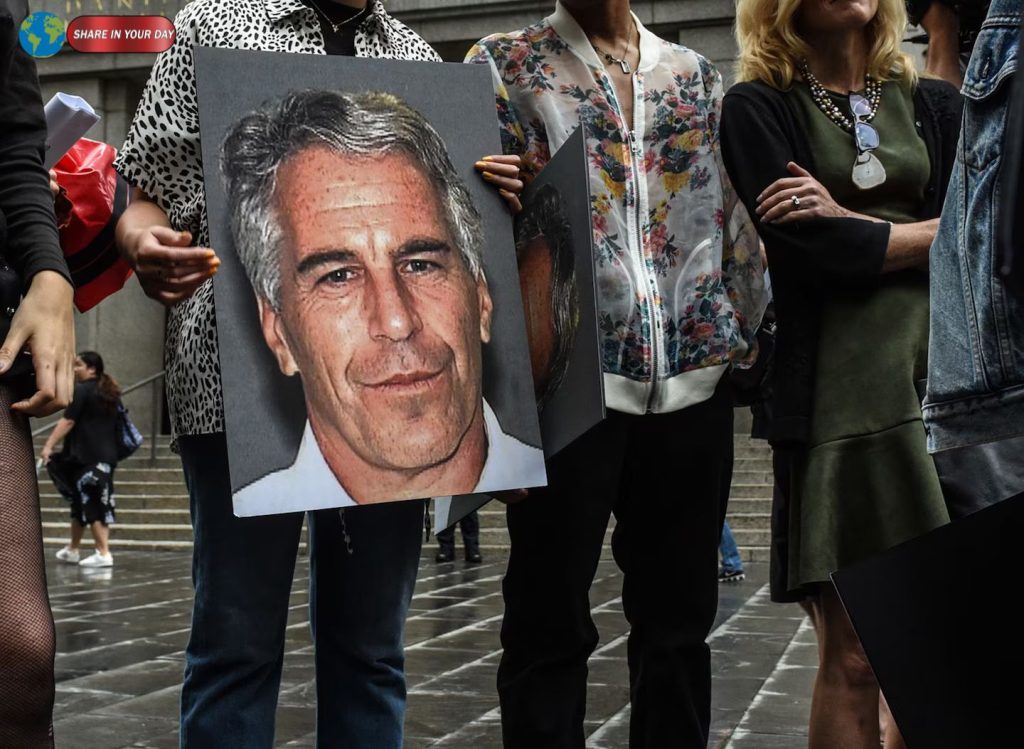
The decision to unseal the document was made by U.S. District Judge Kenneth M. Karas, who ruled that there was no longer sufficient legal basis to keep it private.
The note was reportedly discovered in 2019 by Epstein’s former cellmate, Nicholas Tartaglione, shortly after a suspected suicide attempt by Epstein weeks before his death. Tartaglione, a former police officer who is currently serving multiple life sentences for unrelated crimes, claimed the handwritten note was found in their shared cell.
According to reports, the document had been stored under seal in a separate legal proceeding and was not part of the official investigation into Epstein’s death.
What the Epstein Suicide Note Says
The contents of the note have drawn widespread attention due to their tone and wording.
In the document, Epstein reportedly wrote statements such as:
- “They investigated me for months — FOUND NOTHING!!”
- “It is a treat to be able to choose one’s time to say goodbye.”
The note also includes frustrated and emotional language, suggesting a sense of defiance and resignation. Some versions of the text contain references to earlier writings or expressions Epstein had used in past emails, raising questions about whether it reflects his personal style or is an authentic final message.
Authenticity Still Not Confirmed
Despite the public release, the authenticity of the Jeffrey Epstein suicide note has not been officially verified by any government agency or forensic expert.
Tartaglione’s legal team has stated that handwriting experts reviewed the document and supported its legitimacy, but no independent confirmation has been provided by federal investigators.
Authorities have also not included the note in official reports surrounding Epstein’s death, which was ruled a suicide by the New York City medical examiner in August 2019.
This lack of official verification leaves open questions about whether the document truly reflects Epstein’s final thoughts—or whether it is a separate or misattributed piece of writing.
Why the Note Was Sealed for Years
The document remained sealed for several years due to its connection to ongoing legal proceedings involving Tartaglione.
Court records indicate that the note surfaced as part of evidence in a separate criminal case unrelated to Epstein’s sex trafficking charges. Because it was tied to attorney-client privilege and unrelated litigation, it was not immediately released to the public.
Only after media organizations, including The New York Times, filed requests for disclosure did the court agree to make it public.
Epstein’s Death Continues to Fuel Debate
Jeffrey Epstein’s death in a Manhattan jail cell in 2019 has remained one of the most disputed events in modern criminal history.
Although officially ruled a suicide, the circumstances—including broken surveillance cameras, missing guards, and procedural failures—have led to widespread skepticism and conspiracy theories.
The release of the alleged suicide note adds another layer to that debate, but it does not resolve the core questions surrounding his final hours.
Some observers argue the note supports the official narrative of suicide, while others point out that its uncertain authenticity prevents any firm conclusions.
Legal Experts Urge Caution
Legal analysts caution against drawing conclusions based solely on the newly released document.
Because the note has not been independently verified, it cannot be treated as definitive evidence of Epstein’s mindset or intent. Additionally, the chain of custody—how it moved from cellmate discovery to sealed court records—remains only partially documented.
Experts emphasize that while the note is historically significant, it does not change the official ruling of Epstein’s death.
Public Reaction and Renewed Scrutiny
The release has triggered renewed public interest in the Epstein case, particularly across social media, where speculation about his death has persisted for years.
Supporters of official investigations argue that transparency is essential, while skeptics believe the timing and content of the release raise further questions.
The document is now expected to be analyzed alongside thousands of other Epstein-related records released under recent transparency laws.
Broader Context: Epstein Files Expansion
The unsealing of the note comes amid a broader wave of document releases related to Epstein’s investigations.
In recent years, millions of pages of records, emails, and evidence have been released under federal transparency initiatives, many of which continue to reveal new details about Epstein’s network and legal history.
However, despite the volume of material, no conclusive evidence has emerged to overturn the official findings regarding his death.
Conclusion
The release of Jeffrey Epstein’s alleged suicide note marks another significant moment in a case that continues to attract global attention more than six years after his death.
While the document provides a rare glimpse into his final writings, its authenticity remains unconfirmed, and its meaning remains open to interpretation.
What is clear is that the Epstein case continues to generate legal, political, and public scrutiny, with each new document adding complexity rather than closure.