Iran Peace Deal Progress Emerges Amid Strait of Hormuz Crisis
Iran peace deal progress became the center of global attention this week after President Donald Trump signaled optimism about a potential breakthrough in negotiations aimed at easing tensions in the Strait of Hormuz.
The latest developments came after months of escalating military conflict, economic disruption, and rising fears of a broader regional war involving the United States, Iran, Israel, and several Gulf nations. While no final agreement has been reached, Trump indicated that diplomatic talks may finally be moving toward a possible resolution.
The Strait of Hormuz remains one of the world’s most strategically important waterways. Roughly one-fifth of global oil supplies typically pass through the narrow shipping corridor, making the ongoing crisis a major concern for energy markets and international trade.
Recent clashes between U.S. and Iranian forces have intensified fears of a prolonged disruption. However, reports of renewed diplomacy and temporary pauses in military operations have sparked cautious optimism across financial markets and political circles.
Trump Says Negotiations Show “Great Progress”
President Trump announced that negotiations with Iran were showing “great progress” as his administration reviewed a new peace proposal designed to reduce tensions in the Gulf region.
According to reports, the proposal includes a preliminary memorandum that could lead to a formal peace framework between Washington and Tehran. The draft reportedly establishes a temporary negotiation period intended to prevent additional naval confrontations in the Strait of Hormuz.
Trump also confirmed that the U.S. had paused parts of “Project Freedom,” a military initiative designed to secure commercial shipping lanes in the strait. The temporary halt appears intended to give diplomacy a chance while ceasefire discussions continue.
Despite the positive tone from Washington, Iranian officials have remained cautious. Several lawmakers in Tehran reportedly described the American proposal as unrealistic and incomplete because it does not fully address sanctions, military operations, or Iran’s nuclear activities.
Nevertheless, analysts believe even limited progress could help stabilize global markets and reduce fears of a wider regional conflict.
Why the Strait of Hormuz Matters
The Strait of Hormuz connects the Persian Gulf to global shipping routes and is considered one of the most vital energy chokepoints in the world.
Before the conflict intensified, approximately 20% of global seaborne oil and large volumes of liquefied natural gas traveled through the strait daily.
When Iran restricted access to the waterway earlier this year, energy markets reacted immediately. Oil prices surged sharply as traders feared major supply disruptions across Europe and Asia.
Shipping companies also faced severe operational risks. Several commercial vessels were rerouted or delayed due to security concerns, naval confrontations, and fears of mines placed near key transit routes.
The situation became even more volatile after the United States launched military operations aimed at reopening shipping lanes and protecting international commerce.
U.S. Military Operations Intensified Tensions
The conflict escalated significantly after the United States initiated naval operations in the region earlier this year.
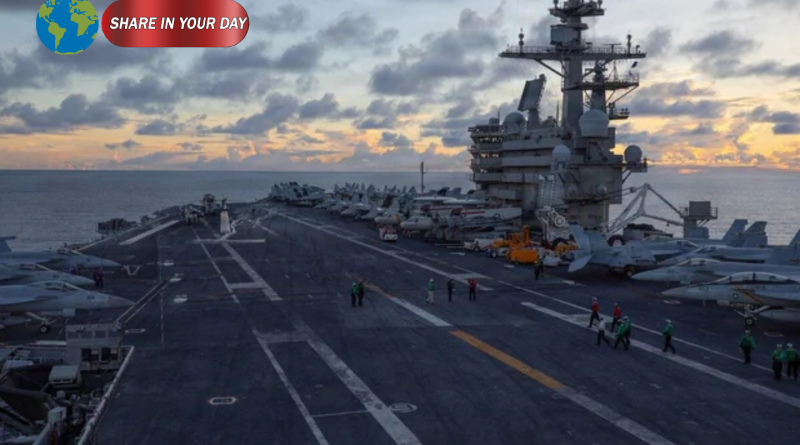
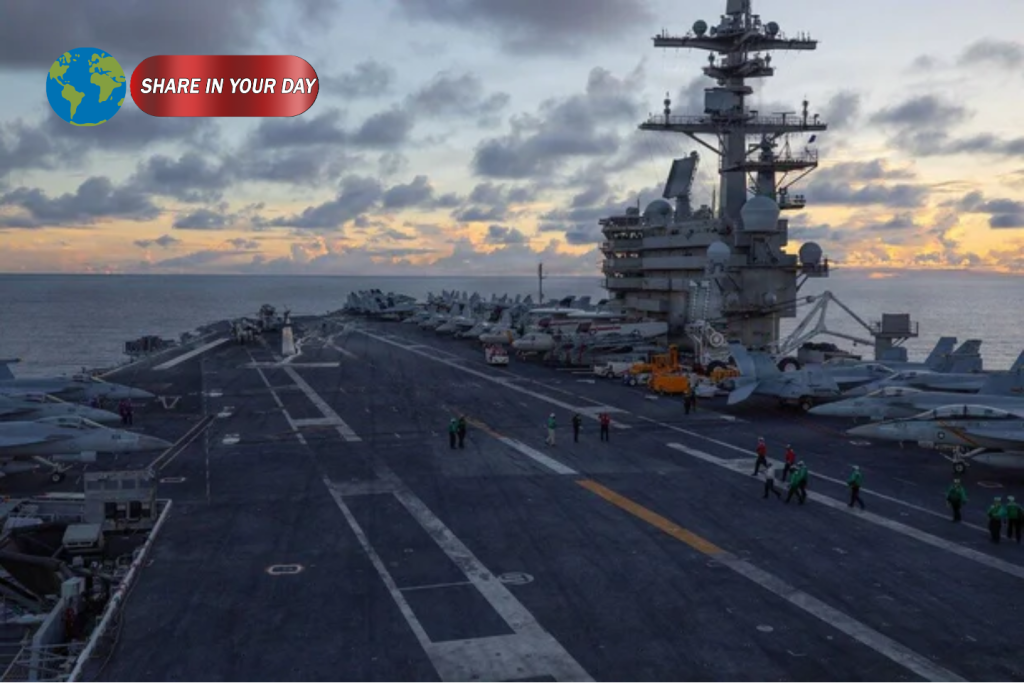
American forces launched “Project Freedom,” a campaign intended to secure passage through the Strait of Hormuz and prevent Iranian interference with international shipping.
In recent days, U.S. military officials confirmed several confrontations involving Iranian vessels and commercial ships.
CBS News reported that American forces sank multiple small Iranian boats after attacks targeted ships near the United Arab Emirates.
Additional reports indicated that U.S. fighter aircraft disabled an Iranian-flagged tanker that allegedly attempted to violate the naval blockade imposed by Washington.
The Pentagon has argued that these operations are necessary to maintain freedom of navigation and protect global trade routes. Iran, however, claims the American blockade violates international law and escalates regional instability.
Ceasefire Remains Fragile
Although both sides have discussed diplomacy, the ceasefire situation remains highly unstable.
Defense Secretary Pete Hegseth recently stated that the ceasefire “certainly holds” for now, despite ongoing naval incidents and continued military activity around the strait.
Iranian officials continue to accuse Washington of provoking tensions through military deployments and sanctions pressure. Meanwhile, American officials insist Iran must halt attacks on commercial shipping before broader agreements can move forward.
Regional allies are also watching developments closely.
Saudi Arabia reportedly objected to certain U.S. military operations because of concerns about escalating instability in the Gulf region. European leaders, including French President Emmanuel Macron, have called for all parties to lift blockades and prioritize diplomatic negotiations.
These international pressures may increase incentives for both Washington and Tehran to pursue a more durable agreement.
Oil Markets React to Iran Peace Deal Progress
Financial markets responded positively to reports of diplomatic movement.
Oil prices dropped sharply after investors interpreted Trump’s comments as a sign that disruptions in the Strait of Hormuz could eventually ease.
Brent crude reportedly fell significantly during trading sessions following news that negotiations were progressing. Airline stocks and travel companies also rose as fears of a prolonged energy crisis temporarily eased.
However, analysts warned that markets remain extremely sensitive to military developments in the Gulf.
Any renewed attacks on shipping infrastructure or breakdown in talks could quickly reverse the recent declines in energy prices. Experts also caution that reopening the strait fully may take time because of security concerns and possible sea mine threats.
Iran and the U.S. Still Divided on Key Issues
Despite the optimism surrounding Iran peace deal progress, major disagreements remain unresolved.
The United States reportedly continues demanding restrictions on Iran’s uranium enrichment activities and missile programs. Iran, meanwhile, insists sanctions relief and guarantees against future military action must be included in any final agreement.
Control over the Strait of Hormuz also remains a deeply contested issue.
Iran argues it has legitimate security interests in the region and rejects what it describes as foreign military interference. The U.S. and its allies maintain that international waterways must remain open to global commerce without political restrictions.
Diplomats involved in the negotiations reportedly hope an initial memorandum could create enough trust for broader discussions later this year.
Still, several analysts remain skeptical that a comprehensive peace settlement can be achieved quickly.
Global Leaders Push for Stability
International governments are increasingly pressuring both sides to avoid another escalation.
Asian economies remain especially vulnerable because many rely heavily on energy exports traveling through the Strait of Hormuz. China, India, Japan, and South Korea all closely monitor developments in the Gulf because disruptions could threaten economic growth and inflation stability.
European governments have also encouraged diplomatic engagement instead of prolonged military confrontation.
Meanwhile, shipping companies and insurance firms continue adjusting routes and costs based on the evolving security situation. The longer instability continues, the greater the financial impact on global trade networks.
What Happens Next in the Strait of Hormuz?
The coming weeks could determine whether the current diplomatic momentum leads to a meaningful breakthrough or another dangerous escalation.
Trump’s administration appears eager to frame the negotiations as a potential foreign policy victory. Iran, however, remains wary of American intentions and continues demanding stronger guarantees before agreeing to major concessions.
For now, the world is watching the Strait of Hormuz closely.
Even limited Iran peace deal progress has already affected oil prices, financial markets, and international diplomacy. Yet the region remains highly unstable, and a single military incident could quickly derail ongoing talks.
As negotiations continue, global leaders hope diplomacy can finally replace confrontation in one of the world’s most dangerous geopolitical flashpoints.