McDonald’s Q1 2026 Earnings Reveal Strong Value Strategy
McDonald’s delivered a closely watched earnings report for the first quarter of 2026, with investors and analysts focusing heavily on whether the company’s aggressive value-focused strategy continues to attract customers amid global economic pressure.
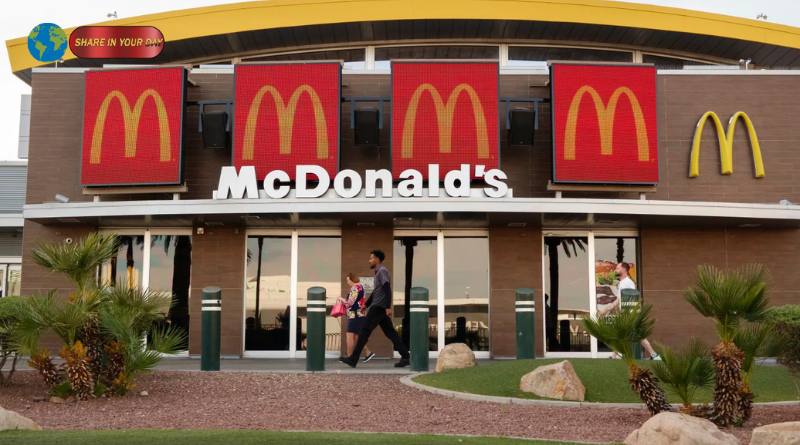
The company’s latest financial results arrive during a period when consumers around the world remain highly sensitive to food prices and discretionary spending. As inflation continues to influence dining habits, McDonald’s has leaned heavily into affordable meal deals, promotions, and expanded beverage offerings to maintain traffic across its restaurants.
Analysts expected McDonald’s Q1 2026 earnings to reach roughly $2.74 to $2.75 per share on revenue of approximately $6.47 billion to $6.48 billion.
The earnings report also serves as an important indicator for the broader fast-food industry, which has increasingly relied on discounts and loyalty programs to compete for budget-conscious customers.
Value Meals Continue Driving Customer Traffic
One of the biggest themes surrounding McDonald’s Q1 2026 earnings is the company’s renewed focus on affordability.
Over the past year, McDonald’s introduced and expanded several low-cost meal promotions designed to bring back customers who reduced spending during periods of elevated inflation. These promotions included the popular $5 meal deal platform, bundled menu items, and limited-time value campaigns.
Executives have repeatedly emphasized that affordability remains central to the company’s long-term strategy. The approach appears to be resonating particularly well with lower-income consumers who are increasingly selective about restaurant spending.
According to recent reports, McDonald’s experienced strong customer response in late 2025 after launching value-focused promotions and marketing campaigns tied to seasonal events and entertainment partnerships.
Industry analysts believe those efforts helped stabilize traffic trends after previous quarters showed signs of slowing demand in several markets.
Investors Watch Comparable Sales Closely
Another major focus in the McDonald’s Q1 2026 earnings report is comparable sales growth, commonly referred to as same-store sales.
Comparable sales are considered one of the most important indicators for restaurant chains because they measure revenue growth from locations open for at least one year. Strong comparable sales suggest the company is attracting more customers or increasing spending per visit without relying solely on opening new restaurants.
Wall Street analysts projected same-store sales growth of roughly 3.7% heading into the quarter.
That figure follows stronger-than-expected fourth-quarter 2025 performance, when McDonald’s reported global comparable sales growth of 5.7%. U.S. comparable sales rose 6.8% during that period, exceeding analyst expectations.
The company’s domestic business remains especially important because the United States continues to generate a significant share of McDonald’s profits and brand momentum.
Meanwhile, international markets such as the United Kingdom, Germany, Japan, and Australia also contributed positively to previous quarters.
McDonald’s Faces Growing Competition
Even with strong brand recognition and global scale, McDonald’s faces increasing pressure from competitors across the quick-service restaurant sector.
One major challenge comes from rival burger chains that have recently invested heavily in store modernization, menu innovation, and digital ordering improvements.
Recent industry analysis suggests that competitors like Burger King are showing signs of improvement after operational overhauls and marketing campaigns aimed at younger consumers.
At the same time, fast-casual brands and coffee-focused chains continue competing aggressively for consumer spending.
The broader restaurant environment remains highly competitive because customers are prioritizing value more than premium dining experiences. As a result, brands capable of balancing affordability with menu innovation appear best positioned to gain market share.
McDonald’s leadership believes its scale gives the company a competitive advantage in this environment. The chain operates tens of thousands of restaurants worldwide, allowing it to promote aggressive pricing while maintaining strong franchise partnerships.
Beverage Expansion Could Become Major Growth Driver
In addition to value meals, McDonald’s is increasingly focusing on beverages as a future growth engine.
Executives have discussed plans to expand beverage offerings through its McCafe platform, including cold coffees, flavored sodas, refreshers, and energy drinks targeted toward younger consumers.
The company reportedly tested expanded beverage concepts in hundreds of locations and saw encouraging customer engagement.
Analysts believe the beverage category could become especially important because drinks often carry higher profit margins than traditional food items. Beverage-focused expansion may also help McDonald’s compete more directly with coffee chains and specialty drink retailers.
The strategy reflects broader trends within the fast-food industry, where companies increasingly seek multiple revenue streams beyond burgers and fries.
Franchise Model Remains Financial Strength
A major reason McDonald’s continues outperforming many competitors is its franchise-heavy business model.
Most McDonald’s restaurants are operated by franchisees rather than the corporation itself. This structure allows the company to generate substantial revenue through royalties, rent, and fees while limiting direct operating costs.
Financial analysts frequently highlight McDonald’s franchise system as one of the strongest in the restaurant industry because it produces stable cash flow even during economic uncertainty.
The model also supports long-term expansion plans.
McDonald’s previously announced intentions to open approximately 2,600 new restaurants globally while continuing investments in digital ordering technology, loyalty programs, and restaurant modernization.
That aggressive expansion strategy demonstrates management’s confidence in long-term consumer demand despite short-term economic challenges.
Wall Street Remains Bullish on McDonald’s Stock
Investor sentiment surrounding McDonald’s stock remains largely positive despite market volatility and concerns about consumer spending.
Several analysts continue maintaining “buy” ratings on the company, citing strong global brand recognition, reliable cash flow generation, and resilient customer demand.
The company’s dividend also remains attractive for long-term investors.
McDonald’s recently increased its quarterly dividend and continues building one of the longest dividend growth streaks in the restaurant sector.
However, investors are still monitoring risks closely.
Potential concerns include slowing consumer spending, wage inflation, higher operating costs, and geopolitical uncertainty that could affect international markets.
Still, many analysts believe McDonald’s defensive business model makes it relatively resilient compared with other restaurant chains during periods of economic instability.
Digital Ordering and Loyalty Programs Gain Momentum
Technology continues playing a larger role in McDonald’s business strategy.
The company has invested heavily in mobile ordering, delivery partnerships, and loyalty programs aimed at increasing customer retention and spending frequency.
According to company data from previous earnings reports, loyalty members generated billions of dollars in annual systemwide sales.
Digital engagement is becoming increasingly important because customers now expect seamless ordering experiences across mobile apps, drive-thru lanes, and delivery services.
McDonald’s believes its scale and technology investments position the company well against both traditional competitors and newer app-focused restaurant brands.
The company is also exploring additional personalization tools that could improve targeted promotions and increase repeat visits.
McDonald’s Outlook for 2026
Looking ahead, McDonald’s executives appear optimistic about maintaining momentum throughout the remainder of 2026.
The company’s strategy centers on three major priorities:
- Expanding value-focused offerings
- Growing beverage sales
- Increasing digital customer engagement
Management also plans continued global restaurant expansion alongside marketing campaigns designed to keep the brand culturally relevant among younger audiences.
Analysts believe McDonald’s ability to balance affordability with innovation will likely determine whether the company can sustain sales growth in a highly competitive market.
For now, McDonald’s Q1 2026 earnings suggest the fast-food giant remains well positioned despite changing consumer behavior and ongoing economic uncertainty.
As customers continue searching for affordable dining options, McDonald’s appears determined to reinforce its reputation as a reliable value destination while simultaneously modernizing its business for the next generation of consumers.