iPhone 20 OLED: 5 Powerful Upgrades Revealed
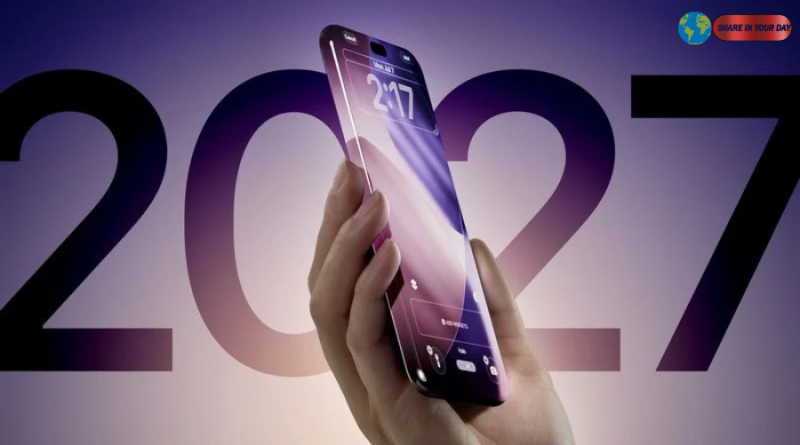
Apple is reportedly preparing one of the most radical redesigns in its history, and the iPhone 20 OLED display could be at the center of it all. According to new supply chain leaks, the tech giant is working with Samsung to develop a custom “micro-curved” OLED panel for its 20th-anniversary iPhone, expected to launch in 2027.
The report suggests that this next-generation display will be thinner, brighter, and more immersive than anything seen on previous iPhones. More importantly, it signals Apple’s ambition to redefine smartphone design—much like it did with the iPhone X in 2017.
Here are five powerful upgrades revealed about the iPhone 20 OLED and why they could reshape the future of smartphones.
1. Micro-Curved OLED Technology
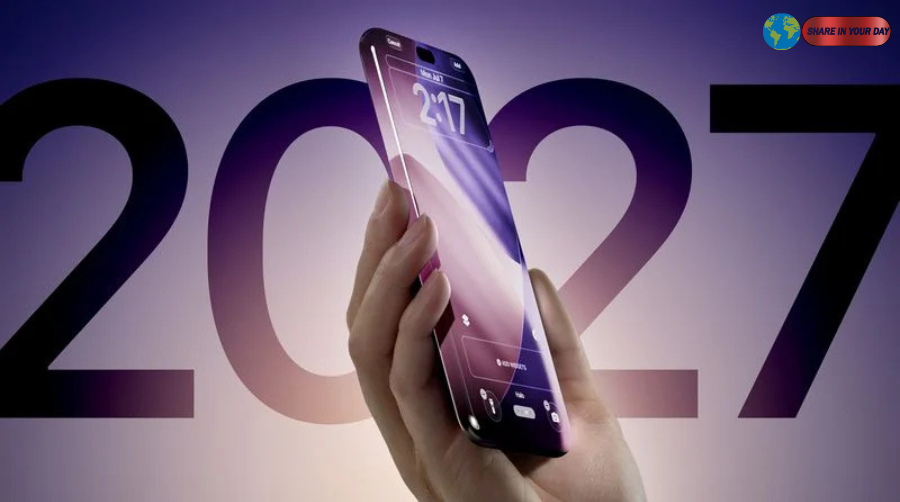
At the heart of the iPhone 20 OLED rumor is a new “micro-curved” display design. Unlike traditional curved screens that dramatically wrap around the edges, Apple’s approach is said to use subtle, shallow curves on all four sides.
This “quad-curved” design aims to create a seamless viewing experience without the usability issues often associated with aggressive curved displays.
The result? A display that feels almost borderless while maintaining practicality.
2. Thinner and Brighter Display
The iPhone 20 OLED panel is expected to be significantly thinner and brighter than current models. Apple is reportedly leveraging advanced OLED manufacturing techniques to achieve this.
By removing certain traditional layers and optimizing light output, the display could deliver:
- Higher brightness levels
- Improved energy efficiency
- Better outdoor visibility
These enhancements align with Apple’s long-term push toward more efficient and visually stunning screens.
3. A Truly Bezel-Less Design
One of the most exciting aspects of the iPhone 20 OLED leak is the possibility of a completely bezel-less design.
Reports suggest the display could wrap around all four edges of the device, creating an uninterrupted viewing surface.
This design would mark a major milestone for Apple, which has been gradually reducing bezels over the years but has yet to eliminate them entirely.
Combined with under-display camera technology, the iPhone 20 could finally achieve the long-rumored “all-screen” smartphone.
4. Samsung Partnership for Advanced Panels
To bring this ambitious design to life, Apple is reportedly partnering with Samsung Display.
Samsung has long been a leader in OLED technology, supplying panels for previous iPhone models. For the iPhone 20 OLED, the collaboration is expected to go even further, with custom-built panels designed specifically for Apple’s vision.
This partnership underscores how critical display innovation has become in the smartphone industry.
5. A Design Meant to Redefine the iPhone
The iPhone 20 OLED isn’t just about better visuals—it’s about redefining the entire device.
Apple is reportedly aiming for a “mostly glass” design with minimal interruptions, potentially eliminating visible cutouts and creating a more immersive user experience.
This approach mirrors the company’s strategy with the iPhone X, which introduced Face ID and a new design language that influenced the next decade of iPhones.
Why Apple Is Betting Big on OLED Innovation
The focus on OLED technology is no coincidence. OLED displays offer several advantages over traditional LCD screens, including:
- Deeper blacks and better contrast
- Faster response times
- Greater flexibility for innovative designs
By pushing OLED technology further with micro-curved panels, Apple is positioning itself to lead the next wave of smartphone design.
Challenges Apple Still Faces
Despite the excitement, the iPhone 20 OLED project is not without challenges.
Under-Display Technology
Creating a fully bezel-less display requires hiding components like cameras and sensors under the screen. While progress has been made, achieving high-quality performance remains difficult.
Durability Concerns
Curved glass designs can be more fragile than flat ones. Apple will need to ensure that the device remains durable despite its ambitious design.
Manufacturing Complexity
Custom OLED panels with micro-curves are more complex to produce, which could impact costs and availability.
How This Compares to Previous iPhones
Apple has a history of introducing major design changes during milestone anniversaries.
- iPhone X (2017): Introduced edge-to-edge display and Face ID
- iPhone 20 (2027): Expected to introduce fully immersive OLED design
The iPhone 20 OLED could represent the biggest leap since the iPhone X, setting a new standard for smartphones.
What This Means for the Future
If the rumors are accurate, the iPhone 20 OLED could influence the entire smartphone industry.
Competitors may follow Apple’s lead, adopting similar micro-curved designs and pushing toward bezel-less devices.
This shift could also accelerate innovation in:
- Display manufacturing
- Battery efficiency
- Device durability
When Will the iPhone 20 Launch?
The 20th-anniversary iPhone is expected to debut in 2027, marking two decades since the original iPhone was introduced.
Interestingly, Apple may skip the “iPhone 19” name altogether—similar to how it jumped from iPhone 8 to iPhone X—to emphasize the significance of the milestone.
Final Thoughts
The iPhone 20 OLED leak offers an exciting glimpse into Apple’s future. With micro-curved technology, a bezel-less design, and a focus on immersive visuals, the device could redefine what users expect from a smartphone.
While many details remain unconfirmed, one thing is clear: Apple is preparing something big for its 20th anniversary.
If successful, the iPhone 20 OLED won’t just be another upgrade—it could be a turning point for the entire industry.