Bayern vs PSG: 3 Brutal Lessons From Bayern Munich’s Champions League Collapse
FC Bayern Munich saw its Champions League dream come crashing down after a painful semifinal defeat against Paris Saint-Germain, and the fallout from the dramatic tie could define the club’s future heading into next season.
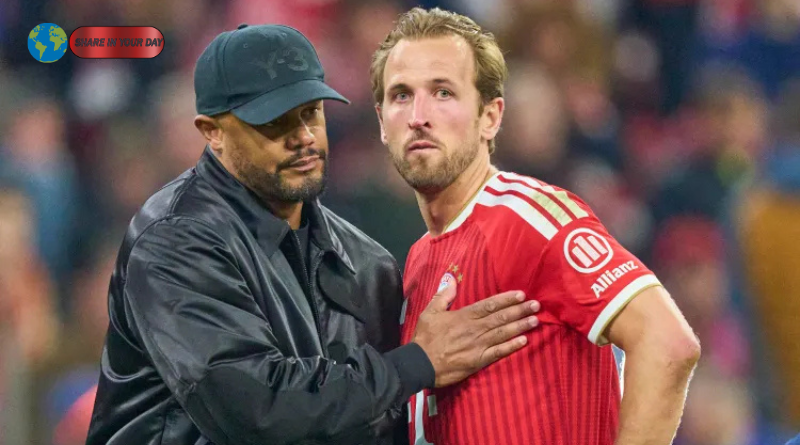
After a chaotic 5-4 loss in Paris during the first leg, Bayern could only manage a 1-1 draw at the Allianz Arena. The result handed PSG a 6-5 aggregate victory and booked the French side a place in the UEFA Champions League final.
For Bayern, however, the elimination was about far more than just one disappointing night. The tie exposed tactical weaknesses, physical exhaustion, and lingering concerns surrounding manager Vincent Kompany.
Despite late drama from Harry Kane, Bayern never truly looked in control across the two legs. PSG appeared sharper, calmer, and far more clinical when it mattered most.
Here are the three biggest lessons from Bayern vs PSG.
Bayern vs PSG Showed Bayern’s Attack Was Running on Empty
For most of the 2025-26 season, Bayern’s attack looked unstoppable.
Kane, Michael Olise, and Luis Díaz formed one of Europe’s deadliest attacking trios. Bayern scored goals at a historic pace throughout the Bundesliga and Champions League campaign.
However, against PSG, the attack suddenly lost its rhythm.
Olise struggled to create chances consistently in the second leg and looked physically drained after carrying a heavy workload in recent weeks. Bayern’s midfield also failed to provide enough support, leaving Kane isolated for long stretches.
While Kane still managed to score a dramatic late equalizer, Bayern’s overall offensive structure lacked sharpness and creativity. The movement between the lines was slower, transitions were predictable, and PSG’s defensive shape handled Bayern’s pressure comfortably.
Even goalkeeper Manuel Neuer admitted after the game that Bayern lacked the “killer instinct” required at this level.
That statement perfectly summarized the semifinal.
Bayern dominated possession in phases but failed to capitalize on critical moments. PSG, meanwhile, punished mistakes ruthlessly. In elite European football, efficiency often matters more than volume.
The warning signs had already appeared in previous matches.
Bayern conceded too many goals during the knockout stages, including a wild 5-4 defeat in Paris and several defensively chaotic performances earlier in the competition.
At times, Bayern looked like a team exhausted by its own aggressive style.
Kompany’s system relies heavily on intensity, pressing, and constant movement. Over a long season, that approach can become physically demanding, especially when squad rotation is limited.
Against PSG, the fatigue became impossible to ignore.
Vincent Kompany Faces Serious Tactical Questions
Kompany deserves enormous credit for restoring Bayern’s domestic dominance.
Under the Belgian coach, Bayern reclaimed the Bundesliga title and produced some breathtaking attacking football during the season.
However, Champions League football demands flexibility.
That is where concerns are beginning to emerge.
Throughout the PSG tie, Bayern appeared tactically rigid. Even when PSG controlled midfield transitions and exploited defensive gaps, Bayern continued using the same aggressive setup. Kompany showed little willingness to alter the tactical structure significantly.
The lack of adaptation became especially noticeable in defensive transitions.
PSG repeatedly found space behind Bayern’s high line, particularly during counterattacks. The French side looked dangerous almost every time they broke forward with speed.
Kompany also faced criticism for limited squad rotation in recent weeks.
Several Bayern players appeared fatigued entering the semifinal, yet the manager continued relying heavily on his core starters. Olise, Kimmich, and Musiala all looked below their usual levels physically.
This raises an uncomfortable question for Bayern executives:
Can Kompany evolve into a coach capable of winning the Champions League?
The answer is not simple.
Bayern’s attacking identity under Kompany has been exciting and effective domestically. The team scored over 100 goals during the campaign and dominated most Bundesliga opponents.
Yet knockout football often requires pragmatism.
Managers like Carlo Ancelotti, Pep Guardiola, and Luis Enrique understand when to slow games down, protect leads, or sacrifice attacking aggression for defensive control.
Against PSG, Bayern rarely showed that balance.
Instead, the team played with the same open intensity regardless of game state. While entertaining for neutral fans, it ultimately proved costly.
Kompany’s post-match frustration with refereeing decisions also created headlines, but many observers believe Bayern’s tactical issues mattered more than officiating controversies.
The coming months could therefore become crucial for the young coach’s development.
Harry Kane Remains Bayern’s Biggest Positive
If Bayern exits this Champions League campaign with one major source of optimism, it is Harry Kane.
The England captain once again delivered on Europe’s biggest stage.
Kane scored in both legs against PSG and continued a remarkable Champions League scoring run that has elevated him into elite historical territory.
His consistency throughout the season has been extraordinary.
Kane surpassed 50 Champions League goals earlier in the campaign and became the first English player to score in six consecutive Champions League matches.
More importantly, he consistently performed when Bayern needed leadership.
Even during difficult moments against PSG, Kane remained composed and dangerous. While several teammates struggled with the intensity of the semifinal, the striker continued fighting until the final whistle.
That mentality matters enormously for Bayern.
The club is entering a transitional period where experienced leaders are becoming increasingly valuable. Following the departure of club legend Thomas Müller, Kane’s role inside the dressing room has become even more important.
His partnership with Olise and Luis Díaz could also become the foundation for Bayern’s next European push.
Despite the semifinal disappointment, the trio achieved historic scoring numbers this season and established themselves among Europe’s elite attacking combinations.
The challenge now is building a more balanced team around them.
Bayern clearly possesses enough attacking quality to compete with any club in Europe. The issue lies in defensive structure, squad depth, and tactical adaptability during high-pressure moments.
If Bayern can solve those problems this summer, they will remain serious Champions League contenders next season.
Bayern vs PSG Could Define Bayern’s Future
This semifinal defeat will leave scars.
Bayern entered the tie believing they had the firepower to eliminate PSG and return to the Champions League final. Instead, they were exposed by a more efficient and tactically mature opponent.
Still, the situation is far from disastrous.
Bayern remains one of Europe’s strongest clubs financially, structurally, and competitively. The squad contains elite talent across multiple positions, and Kompany has already demonstrated he can build an exciting attacking identity.
However, this defeat highlighted the fine margins separating domestic success from European glory.
Winning the Bundesliga is no longer enough for Bayern supporters. The club measures itself by Champions League trophies, and semifinal exits inevitably create pressure.
The coming transfer window could therefore become extremely important.
Bayern may need additional midfield depth, more defensive stability, and better rotation options to survive the intensity of multiple competitions. Kompany must also prove he can evolve tactically when facing elite opponents.
Otherwise, Bayern risks becoming a spectacular but flawed team — entertaining to watch, yet vulnerable in decisive moments.
PSG, meanwhile, moves on with momentum and confidence ahead of the Champions League final. Bayern is left with questions, frustration, and another painful European “what if.”
For a club with Bayern Munich’s standards, that reality will sting for a long time.
For official club updates, visit FC Bayern Munich Official Website.