
Full Article (SEO Optimized – 1200+ Words)
Hantavirus Cruise Outbreak Raises Alarm After US Passengers Exposed
A rare and deadly hantavirus cruise outbreak has triggered international concern after multiple passengers, including travelers from the United States, were potentially exposed during an extended expedition cruise traveling across the Atlantic and sub-Antarctic regions in 2026.
Health authorities are now racing to trace contacts, isolate suspected cases, and determine how the virus spread among passengers aboard the vessel, which had carried approximately 150 people from multiple countries.
The incident has raised urgent questions about infectious disease control on long-duration cruise voyages and whether rare pathogens like hantavirus could pose emerging risks in tightly shared environments such as cruise ships.
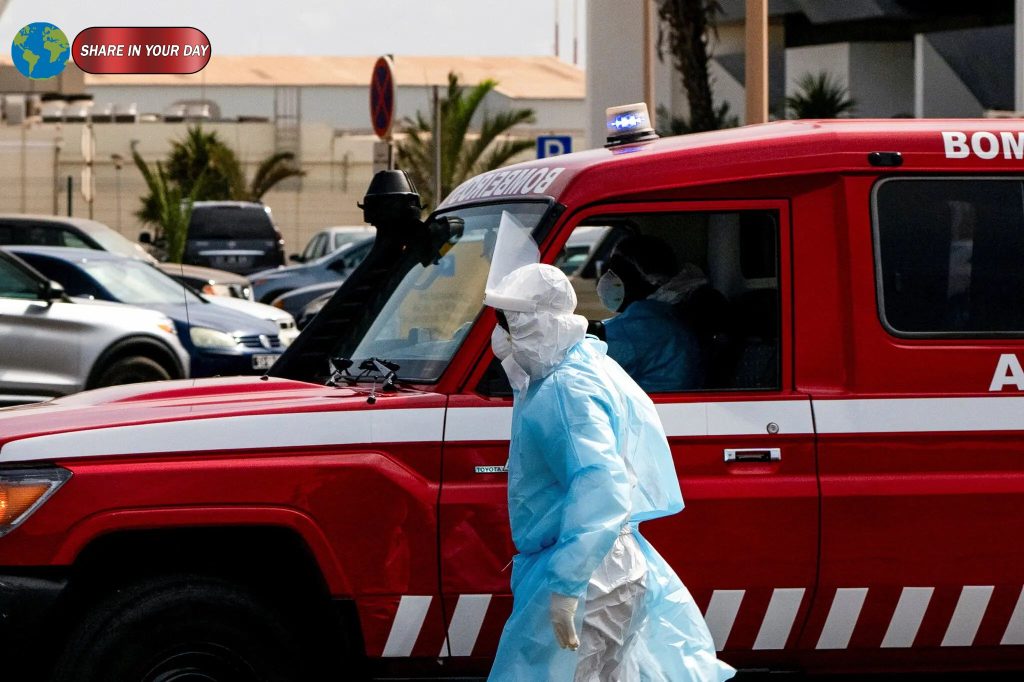
What Happened on the Cruise Ship?
The outbreak began during a multi-week expedition voyage that departed from Argentina in early April 2026. The cruise traveled through remote regions including Antarctica and several Atlantic islands before reports of illness began to surface.
According to international health updates, at least seven to eight passengers were identified as confirmed or suspected cases, with multiple deaths reported during the voyage.
Symptoms reportedly included:
- High fever
- Severe fatigue
- Gastrointestinal distress
- Rapid respiratory failure
In several cases, the illness progressed quickly into life-threatening complications requiring urgent evacuation.
US Passengers Among Those Monitored
One of the most concerning developments in the hantavirus cruise outbreak is that passengers from multiple countries—including the United States—were on board and later disembarked before full detection of the outbreak.
Health authorities in several countries have begun:
- Contact tracing of disembarked passengers
- Medical monitoring of exposed travelers
- Cross-border information sharing
Some individuals have already been placed under observation due to potential exposure during the incubation period, which can last several weeks.
While confirmed infections remain limited, officials warn that early detection is difficult due to the virus’s slow initial symptom progression.
What Is Hantavirus?
Hantavirus is a rare rodent-borne disease that spreads primarily through inhalation of particles contaminated by:
- Rodent urine
- Droppings
- Saliva
In most cases, humans become infected on land in enclosed or poorly ventilated environments such as:
- Cabins or sheds
- Rural buildings
- Campsites
However, experts have confirmed that certain strains—particularly the Andes virus found in South America—may allow limited person-to-person transmission, usually through prolonged close contact.
According to health experts, this makes the current outbreak especially concerning because it occurred in a tightly confined cruise environment where prolonged contact between passengers is common.
Why This Cruise Outbreak Is Unusual
Cruise ships are frequently associated with outbreaks such as norovirus, but hantavirus is rarely seen in maritime environments.
Experts note several unusual factors:
- The voyage lasted several weeks across remote regions
- Passengers shared enclosed living quarters
- Some cases may have originated before boarding
- Possibility of limited onboard transmission
Health investigators are still trying to determine whether infection occurred:
- Before boarding the ship
- During shore excursions in South America
- Through limited onboard transmission
At this stage, no single source has been confirmed.
Symptoms and Risks
Hantavirus infections typically begin with mild, flu-like symptoms before rapidly progressing.
Early symptoms include:
- Fever and chills
- Muscle aches
- Headaches
- Fatigue
Later stages may escalate to:
- Severe respiratory distress
- Fluid accumulation in the lungs
- Organ failure
Mortality rates vary depending on the strain, but some forms of hantavirus—particularly those found in the Americas—can have fatality rates as high as 30–40% without rapid treatment.
How Health Authorities Are Responding
International agencies, including the World Health Organization, have been actively coordinating response efforts.
Current measures include:
- Medical evacuation of critically ill passengers
- Isolation of suspected cases onboard
- Testing of passengers in multiple countries
- Contact tracing across continents
Several passengers have already been airlifted to hospitals in Europe for advanced treatment, while others remain onboard under quarantine-like conditions.
Authorities emphasize that despite the seriousness of the outbreak, the overall global risk remains low, as sustained human-to-human transmission is still considered uncommon.
Are Cruise Ships at Risk of Future Outbreaks?
The outbreak has reignited debate about disease prevention on cruise ships.
Experts highlight key vulnerabilities:
- Shared ventilation and living spaces
- Long incubation periods of some diseases
- Delayed detection during long voyages
- International passenger movement before diagnosis
However, they also stress that modern cruise sanitation systems are designed primarily to prevent more common outbreaks such as norovirus, not rare rodent-borne viruses like hantavirus.
What Happens Next?
Authorities are still investigating:
- The original source of infection
- Whether rodents were present onboard
- Whether any human-to-human transmission occurred
- The full scope of global exposure
Passengers who disembarked in different countries, including the United States, continue to be monitored.
The investigation is expected to continue for weeks as laboratories analyze samples and reconstruct the timeline of infection.
Final Outlook
The hantavirus cruise outbreak remains a rare but serious public health event that highlights how quickly infectious diseases can spread in global travel environments.
While officials currently assess the risk to the general public as low, the incident underscores the importance of:
- Early detection systems
- International coordination
- Strong onboard disease monitoring
For now, health authorities continue to track exposed passengers across multiple countries, including the United States, as they work to prevent any further spread.