US Oil Prices Rebound Shocking Investors as Middle East Peace Hopes Rise
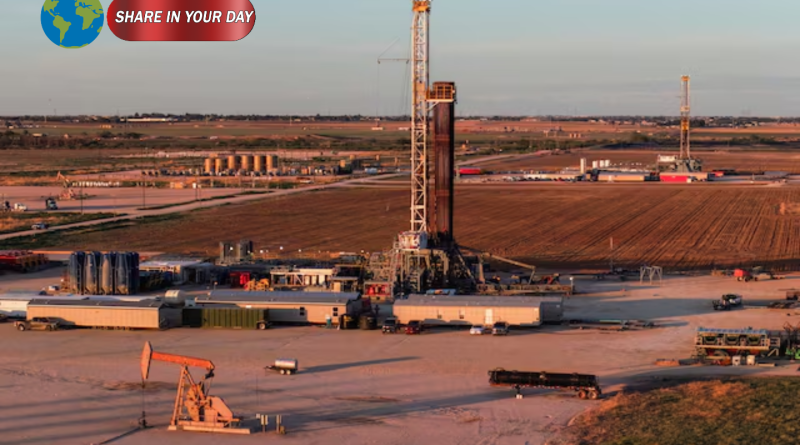
Global energy markets experienced renewed volatility as US oil prices rebound following steep losses in the previous trading session. Investors are closely watching geopolitical developments in the Middle East, where reports of a potential peace agreement between the United States and Iran have triggered sharp swings in crude oil prices.
According to Reuters, U.S. crude futures climbed in early Thursday trading, recovering after a nearly 7% drop the day before. The rebound reflects shifting investor sentiment as markets weigh the possibility of reduced geopolitical risk and the reopening of key energy shipping routes such as the Strait of Hormuz.
This sudden recovery highlights how sensitive global oil markets remain to political developments, especially in a region responsible for a significant portion of global crude supply.
H2: Oil Prices Recover After Sharp Sell-Off
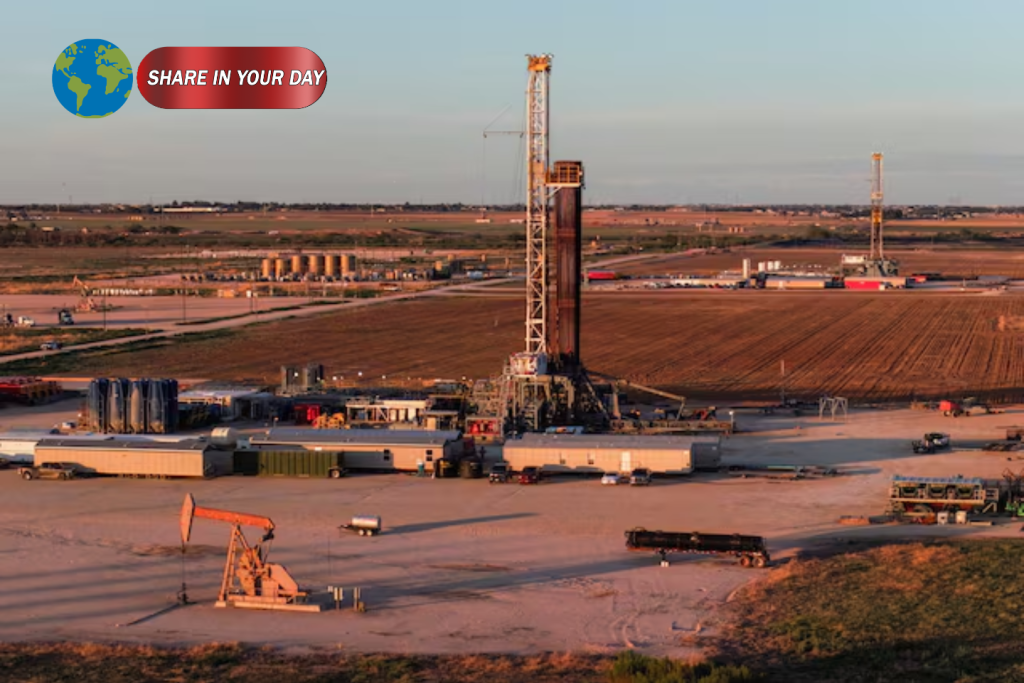
The latest movement shows that US oil prices rebound after heavy selling pressure earlier in the week. West Texas Intermediate (WTI) crude rose around 0.8% to approximately $95.88 per barrel in early trading, recovering from losses triggered by peace optimism in the Middle East.
Just a day earlier, oil prices had dropped sharply—falling by about 7%—after reports suggested that diplomatic progress between Washington and Tehran could lead to a formal agreement ending ongoing tensions.
However, the rebound indicates that traders remain uncertain about whether a deal will actually materialize or if negotiations will stall again.
H2: Middle East Peace Deal Drives Market Volatility
The central driver behind the phrase US oil prices rebound is the evolving situation in the Middle East. Investors are reacting to conflicting signals regarding a possible peace agreement between the United States and Iran.
Reports suggest that discussions include a potential memorandum of understanding that could ease regional conflict and stabilize shipping routes. However, key issues remain unresolved, particularly regarding Iran’s nuclear program and maritime access through the Strait of Hormuz.
This uncertainty is fueling rapid price swings, as traders attempt to price in both:
- Potential peace and increased oil supply stability
- Or renewed conflict and disruption to global shipping routes
H2: Why Oil Markets React So Strongly
The fact that US oil prices rebound so quickly highlights how sensitive crude markets are to geopolitical risk.
Oil prices are influenced by three major factors:
1. Supply disruption fears
The Middle East remains one of the most important oil-producing regions globally. Any conflict or blockade in shipping routes can instantly reduce global supply.
2. Investor speculation
Traders often react faster than real-world supply changes. News headlines alone can trigger billion-dollar market movements.
3. Demand expectations
A peace deal could stabilize global trade, potentially increasing demand for energy as shipping and manufacturing activity normalize.
Together, these factors create a highly reactive and volatile pricing environment.
H2: What Happened in the Previous Session?
Before the rebound, oil markets experienced one of their sharpest drops in weeks. The decline was driven by optimism that diplomatic progress might reduce tensions in the region.
Some reports indicated that mediation efforts had reached a near-final stage, which triggered a wave of selling in crude futures. However, uncertainty quickly returned as analysts questioned whether the agreement would actually resolve deeper political disputes.
As a result, prices stabilized and began to recover as traders reassessed risk levels.
H2: Investor Sentiment Remains Divided
The phrase US oil prices rebound does not necessarily indicate long-term stability. Instead, it reflects a divided market outlook:
Bullish outlook (prices could fall further)
- Peace deal reduces geopolitical risk
- Shipping routes reopen fully
- Global supply stabilizes
Bearish outlook (prices could rise again)
- Negotiations collapse
- Strait of Hormuz disruptions continue
- Supply shortages deepen globally
Because both outcomes remain possible, traders are actively repositioning portfolios, leading to frequent price reversals.
H2: Impact on Global Energy Markets
The rebound in US crude prices also affects broader global energy markets, including Brent crude, which serves as the international benchmark.
Even small changes in WTI prices often influence:
- Fuel costs for transportation
- Airline operating expenses
- Manufacturing and shipping costs
- Inflation expectations worldwide
Energy analysts warn that continued volatility could make it harder for central banks to predict inflation trends in the coming months.
H2: Oil Traders Brace for More Volatility
Market experts suggest that volatility is likely to continue as long as geopolitical negotiations remain unresolved.
Key upcoming triggers include:
- Official statements from U.S. and Iranian officials
- Updates from international mediators
- Shipping activity in the Strait of Hormuz
- Inventory and production data from major oil exporters
Each of these factors could push prices sharply in either direction.
H2: Outlook for Oil Prices
While US oil prices rebound signals short-term recovery, the long-term direction remains uncertain. Analysts believe the market is currently in a “reaction phase,” where prices respond more to headlines than fundamentals.
If peace negotiations advance, oil prices could stabilize or even decline further. However, any breakdown in talks could quickly reverse the trend and push prices higher again.
H2: Conclusion
The latest rebound in crude prices highlights how deeply interconnected global politics and energy markets have become. The keyword US oil prices rebound captures a moment of uncertainty where optimism about peace competes with fears of renewed instability.
For now, traders remain cautious, and volatility is expected to remain a defining feature of the oil market in the weeks ahead.